
5 things to do in Oregon during World Space Week 2026
World Space Week continues through Oct. 10, with opportunities in Oregon to examine meteorites, watch the Sun through…
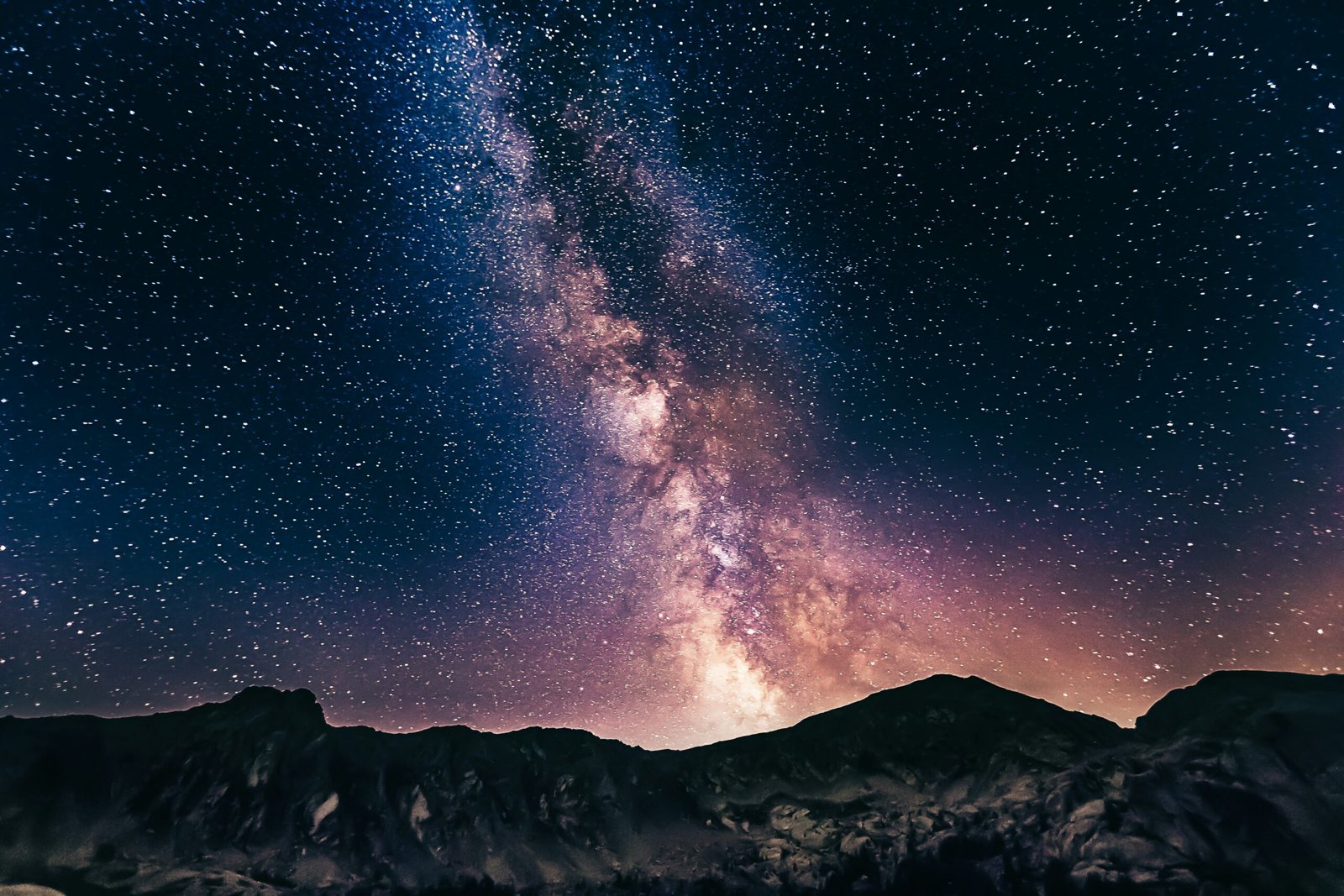
World Space Week continues through Oct. 10, with opportunities in Oregon to examine meteorites, watch the Sun through specialized telescopes, and learn about the night sky.
This year’s theme, “Rocket Revolution,” focuses on changes in space launch technology, including reusable rockets and expanding commercial programs. The annual observance runs Oct. 4–10.
Here are five ways to celebrate in Oregon, including free events during the Cascade Astronomy Festival and indoor options for cloudy days.
1. Explore at the Eugene Science Center
Eugene Science Center’s 2026 World Space Week celebration includes free meteorite demonstrations, solar viewing, art projects, and discounted planetarium shows.
On Thursday, Oct. 8, “Walk the Planets” begins at 10 a.m. and includes a live planetarium show for $10. Free solar viewing and meteorite activities follow at noon, with a free meteorite talk at 3 p.m.
Friday’s schedule includes “Our Cosmic Neighborhood” at 1 p.m., “We Are Aliens” at 2 p.m., and “We Are Stars” at 3 p.m. The center is offering $2 off general-admission planetarium shows during the celebration. It will be closed Saturday, Oct. 10, for the University of Oregon’s home football game.
2. Telescope viewing in Bend
Trailhead Lodge will host free evening telescope viewing Thursday, Oct. 8, from 7–9:30 p.m.
The event is part of the Cascade Astronomy Festival and requires no registration. Visitors can find the lodge at 19221 SW Century Drive in Bend.
3. Old Mill District solar viewing
The Cascade Astronomy Festival will offer free solar viewing at Bend’s Old Mill District Friday, Oct. 9, from 10 a.m.–noon.
Look for telescopes near the bridge. No registration is required, and viewing depends on weather.
4. What’s planned for the public star party at COCC?
Central Oregon Community College will host a free public star party Saturday, Oct. 10, from 8–10 p.m.
Visitors can use telescopes at the campus track behind Coats Campus Center in Bend. A constellation tour begins at 9 p.m. The campus address is 2600 NW College Way.
5. Where can you explore the night sky indoors?
OMSI’s Kendall Planetarium in Portland offers presentations about the universe and the current night sky, including planets, constellations, meteor showers, and the Moon.
A planetarium visit provides an indoor way to celebrate when clouds interfere with outdoor viewing. Check OMSI’s calendar for current programs, showtimes, and tickets. The museum is at 1945 SE Water Avenue.
Check event pages before heading out, particularly for outdoor telescope viewing.
Bonus idea: Visit one of Oregon’s International Dark Sky Places
Oregon has become a major destination for dark-sky recreation, with several communities, parks and protected areas recognized for their nighttime skies.
Potential viewing areas include:
Oregon Outback International Dark Sky Sanctuary: The vast sanctuary in Lake County covers thousands of square miles of sparsely populated southeastern Oregon and offers exceptionally dark skies.
Prineville Reservoir State Park: The Central Oregon park is an International Dark Sky Park and has an observatory and designated stargazing area. After-hours stargazing requires following the park’s permit requirements.
Cottonwood Canyon State Park: The remote park along the John Day River is an International Dark Sky Park with limited surrounding development.
Sisters: The Central Oregon community was designated an International Dark Sky Community in 2025 and is surrounded by large areas of public land.
Antelope: The small north-central Oregon community is another International Dark Sky Community. Nearby Antelope Basecamp also became Oregon’s first DarkSky Approved Lodging property in 2026.
Oregon Caves National Monument and Preserve: The Southern Oregon park became an International Dark Sky Park in 2024 and is surrounded by undeveloped portions of the Siskiyou Mountains.
Sunriver: The Central Oregon resort community has long been recognized for efforts to preserve its dark night skies.
Crater Lake and other remote areas of the Cascades, eastern Oregon and Southern Oregon can also provide spectacular dark skies, weather permitting.