Wildfire Closes Sunrise and White River Areas at Mount Rainier National Park
A wildfire at Mount Rainier National Park is affecting summer travel, with closures in place as crews respond…
Travelers and PNW locals who are planning an August trip to Mount Rainier National Park may have fewer places to visit after a wildfire closed the Sunrise and White River areas on the northeast side of the park.
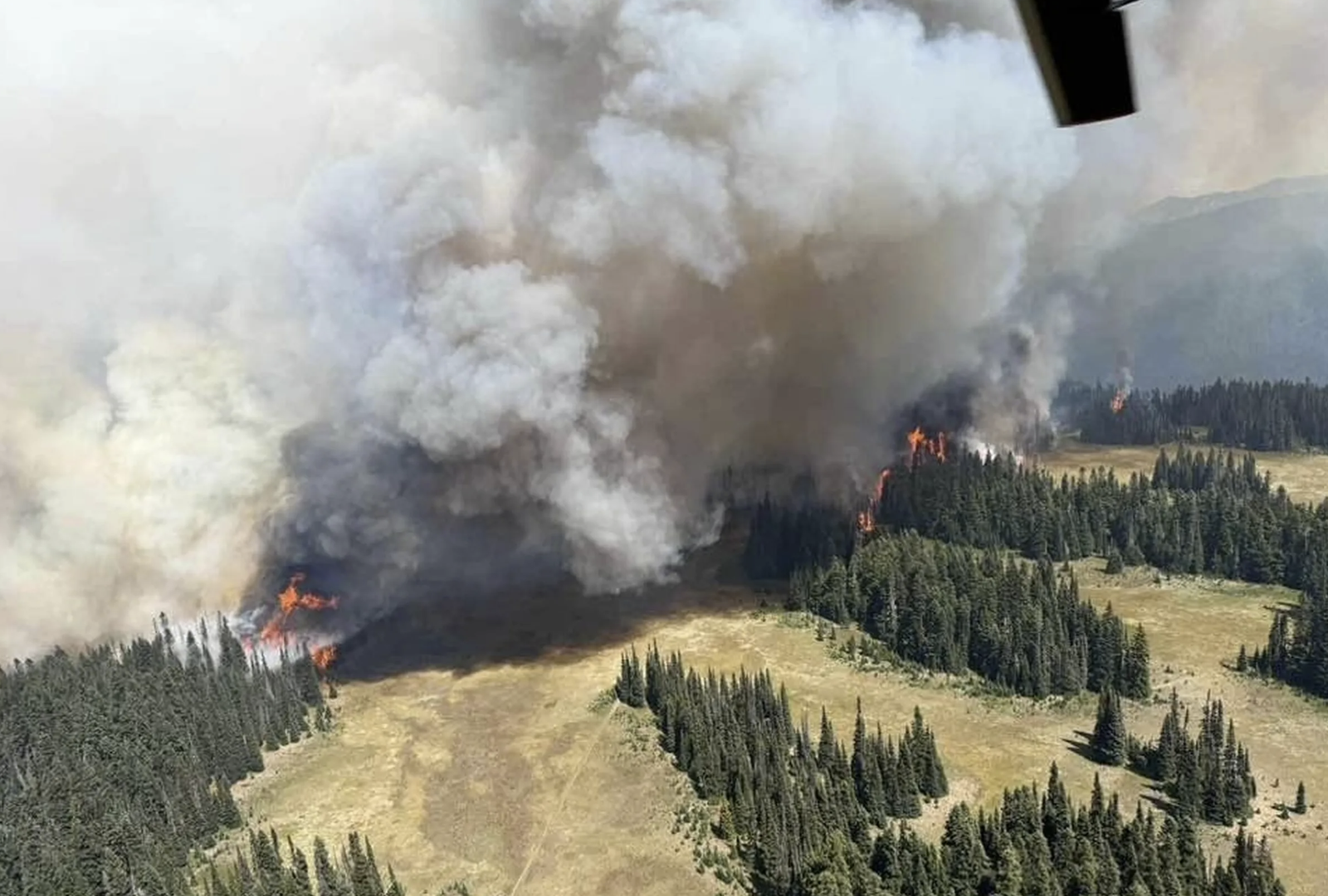
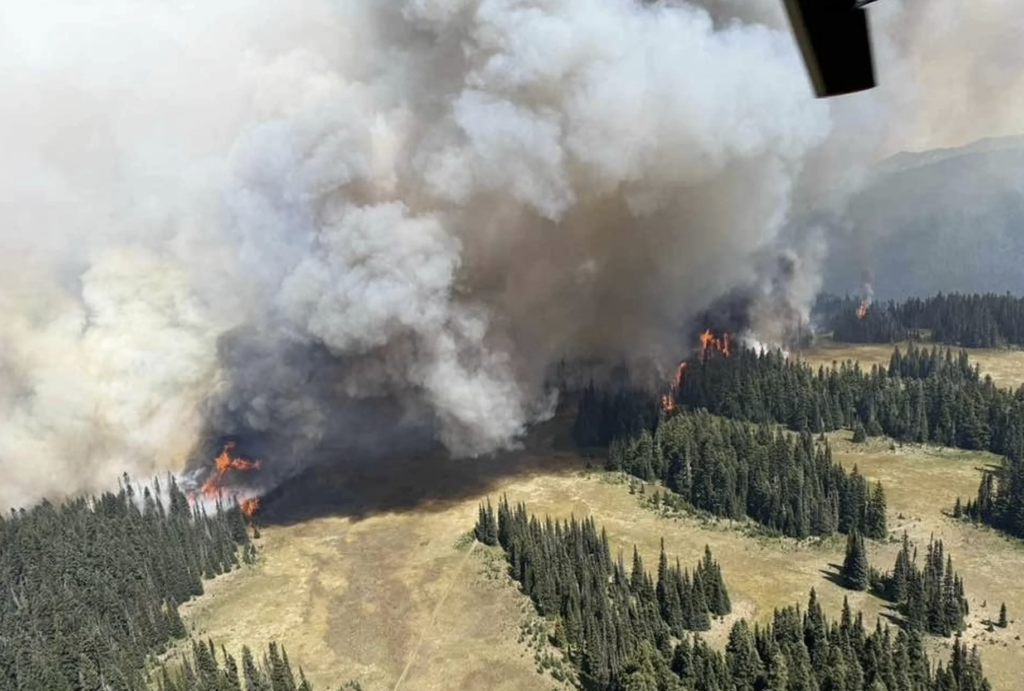
The Grand Park 2 Fire started Aug. 7 near Grand Park, prompting the evacuation of the Sunrise Visitor Center and White River Campground and closing roads and trails throughout the area.
The fire was initially estimated at about 200 acres. By Aug. 8, it had grown to an estimated 245 acres but remained within Mount Rainier National Park, according to a social media update from Paul Sowers, fire chief for the Greenwater and Crystal Mountain fire departments.
The closure comes during the heart of Mount Rainier’s summer travel season, when Sunrise is typically a popular destination for wildflowers, hiking and views of the mountain.
Here’s what travelers should know about the fire and which parts of Mount Rainier remain accessible.
Sunrise and White River are closed until further notice
Mount Rainier National Park announced the closure on Aug. 7 as firefighters responded to the Grand Park 2 Fire.
According to a news release from the park’s public affairs office, the closure includes White River Campground, White River Road, the Sunrise area and all trails originating from those roads.
The Sunrise Visitor Center and White River Campground were evacuated Friday afternoon, according to local fire officials.
For travelers, the closure eliminates access to one of Mount Rainier’s primary summer destinations and several popular hiking routes on the northeast side of the mountain.
That includes trails accessed from Sunrise Road and White River Road, such as routes toward Burroughs Mountain and Glacier Basin. The White River area also provides access for climbers using the Emmons-Winthrop route.
State Route 410 and State Route 123, which run along the eastern side of Mount Rainier, remained open following the initial closure.
Sowers said in an Aug. 8 social media post that Sunrise and other areas beyond the White River entrance would remain closed until further notice. He also reported that the U.S. Forest Service had closed Forest Roads 73 and 75.
No reopening date has been announced.
Grand Park 2 Fire grows to an estimated 245 acres
The Grand Park 2 Fire is burning near Grand Park, an alpine meadow near Lake Eleanor and the historic Mount Fremont Fire Lookout.
Firefighters have faced difficult ground access, including a washed-out road near the Lake Eleanor trail. National Park Service and federal wildland fire personnel responded, with aerial resources brought in to help fight the fire.
By Aug. 8, the fire was estimated at 245 acres and remained within Mount Rainier National Park, according to Sowers.
“This is very moderate growth, and I would classify it as good news,” Sowers wrote.
After observing the fire from Crystal Mountain, Sowers said he saw less active fire behavior than the previous day and that aerial operations appeared to be helping.
The cause of the fire remains undetermined, though Sowers said in an earlier social media post that the fire may have been smoldering following recent lightning storms.
No immediate threat to the Greenwater or Crystal Mountain communities was reported.
Mount Rainier visitors already have fewer options in 2026
The Sunrise closure creates another travel challenge during a summer when access to several parts of Mount Rainier is already limited.
Ohanapecosh Campground and Visitor Center on the southeast side of the park are closed during the 2026 season for rehabilitation work.
Access is also restricted on the northwest side of the park following the closure of the State Route 165 Fairfax Bridge, affecting vehicle access toward Carbon River and Mowich Lake.
With Sunrise and White River now closed because of the wildfire, travelers have fewer options for exploring different sides of Mount Rainier during one of the park’s busiest times of year.
The timing is particularly notable because August typically overlaps with the short alpine wildflower season around Sunrise. At about 6,400 feet, Sunrise is the highest point in Mount Rainier National Park that visitors can reach by vehicle when the road is open.
Paradise and Longmire remain options
Travelers can still visit other major areas of Mount Rainier National Park while the Sunrise closure remains in effect.
Paradise, on the south side of the mountain, remains accessible through the Nisqually Entrance. The area includes the Henry M. Jackson Memorial Visitor Center and access to popular trails including the Skyline Trail.
Longmire also remains accessible from the Nisqually Entrance. The historic district includes the Longmire Museum, National Park Inn and several nearby trails.
Camping options are more limited. With Ohanapecosh closed for the season and White River Campground evacuated because of the fire, Cougar Rock is one of the primary front-country camping options available to visitors.
Mount Rainier has also had a park-wide fire ban in effect since June 26.
Check conditions before heading to Mount Rainier
Travelers planning to visit Mount Rainier should check current park conditions before leaving, even if their plans do not include Sunrise.
Wildfires can affect roads, trails and air quality beyond the immediate closure area, and conditions can change throughout the day.
Visitors heading specifically to Sunrise, White River or northeast-side trailheads should make alternate plans while the Grand Park 2 Fire closure remains in effect.
Paradise and Longmire remain the most practical alternatives for many visitors, but travelers should expect those areas to potentially see additional traffic while other sections of the park are unavailable.
There is currently no announced date for reopening Sunrise or White River.
For travelers with a Mount Rainier trip coming up, checking National Park Service alerts and current road, trail and wildfire conditions shortly before departure will provide the most up-to-date information.