Washington’s Little Giant fire becomes second-highest firefighting priority in U.S.
A wildfire that has burned in Central Washington for more than a month is now the second-highest firefighting…
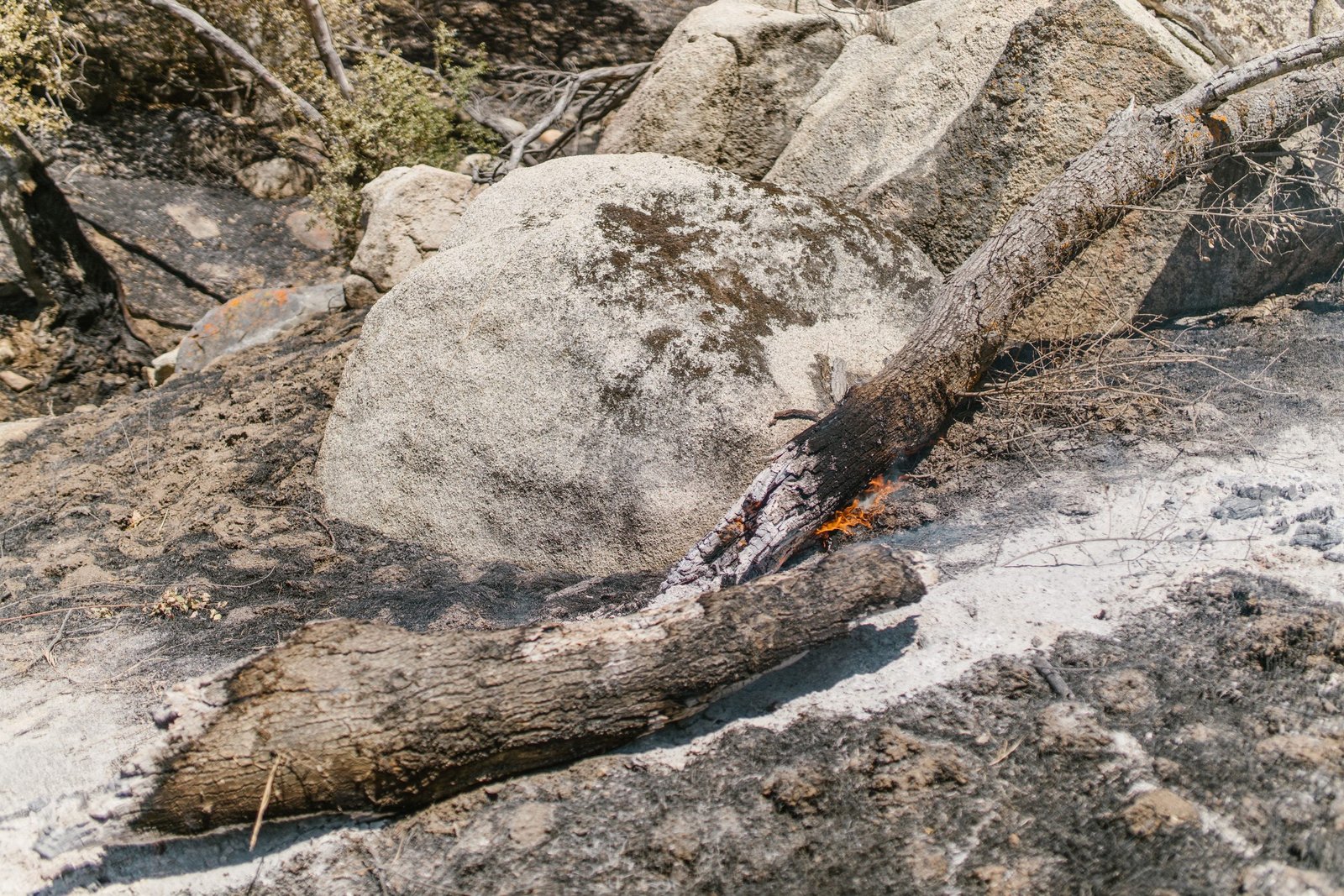
A wildfire that has burned in Central Washington for more than a month is now the second-highest firefighting priority in the country.
The lightning-caused Little Giant fire started July 15 in the Okanogan-Wenatchee National Forest, about 30 miles northwest of Leavenworth.
As of Aug. 28, the fire had burned more than 250 square miles and was 25% contained.
Strong winds created additional challenges on Aug. 27, with gusts reaching up to 40 mph near Stormy and Baldy mountains along the fire’s eastern edge. The winds pushed the flames and carried embers ahead of the main fire, creating several smaller spot fires.
More than 800 residences west of Lake Chelan were placed under Level 1 “Get Ready” evacuation orders.
Little Giant fire has injured 13 people
Thirteen injuries and no deaths had been connected to the fire as of Thursday, according to Lauren Faulkenberry, a spokesperson for the fire’s incident management team.
The injuries are believed to have involved fire personnel, as officials had not received reports of residents being hurt.
At least two primary homes and 13 second homes have been destroyed. Earlier evacuation orders also forced residents west of Lake Chelan to leave their homes, while some businesses in the area have struggled with the loss of customers.
More than 2,000 personnel are fighting the fire
More than 2,000 personnel are responding to the Little Giant fire. The effort includes firefighters from Australia and New Zealand, members of the Washington National Guard and hundreds of U.S. Army personnel from Joint Base Lewis-McChord.
Wildfires are ranked based on the firefighting resources available and what could be threatened, including homes, businesses, power infrastructure and water supplies.
The McCully wildfire in Eastern Oregon’s Wallowa-Whitman National Forest was listed as the country’s highest firefighting priority, followed by the Little Giant fire.
The estimated cost of fighting the Little Giant had climbed above $101 million by Aug. 27, making it the second-most expensive active wildfire in the country.
Colorado’s Aspen Acres wildfire had cost more than $103 million as of Aug. 28.
Smoke triggers air quality alert
The Little Giant fire continues to burn through Douglas firs, ponderosa pines, grasses and shrubs across steep terrain. Hot, dry and windy conditions have helped fuel its spread.
Smoke from the fire and other nearby wildfires prompted the Washington Department of Ecology to issue an air quality alert for Chelan, Douglas and Okanogan counties.
The alert was issued Thursday, Aug. 27 and remained in effect Friday.
Slightly cooler temperatures and higher humidity could help firefighters in the coming days. However, officials expect the Little Giant to continue burning until winter brings enough snow and cold weather to put it out.
“This fire is probably going to burn until the snow starts flying,” Chelan County Emergency Management spokesperson Rich Magnussen said. “The goal now is to not lose any more structures and just keep it contained.”
The fire is burning across the Columbia River from the site of the Chelan Hills wildfire, which killed one person and damaged the community of Orondo earlier this summer.
Washington Gov. Bob Ferguson declared a statewide emergency Aug. 1 because of drought and unusually hot and windy conditions.
Most outdoor burning is prohibited across the state through Sept. 30.