A supermoon is set to rise in November 2026: See when to watch in Oregon and Washington
A supermoon will be visible across the Pacific Northwest this November, making the full moon appear slightly larger…
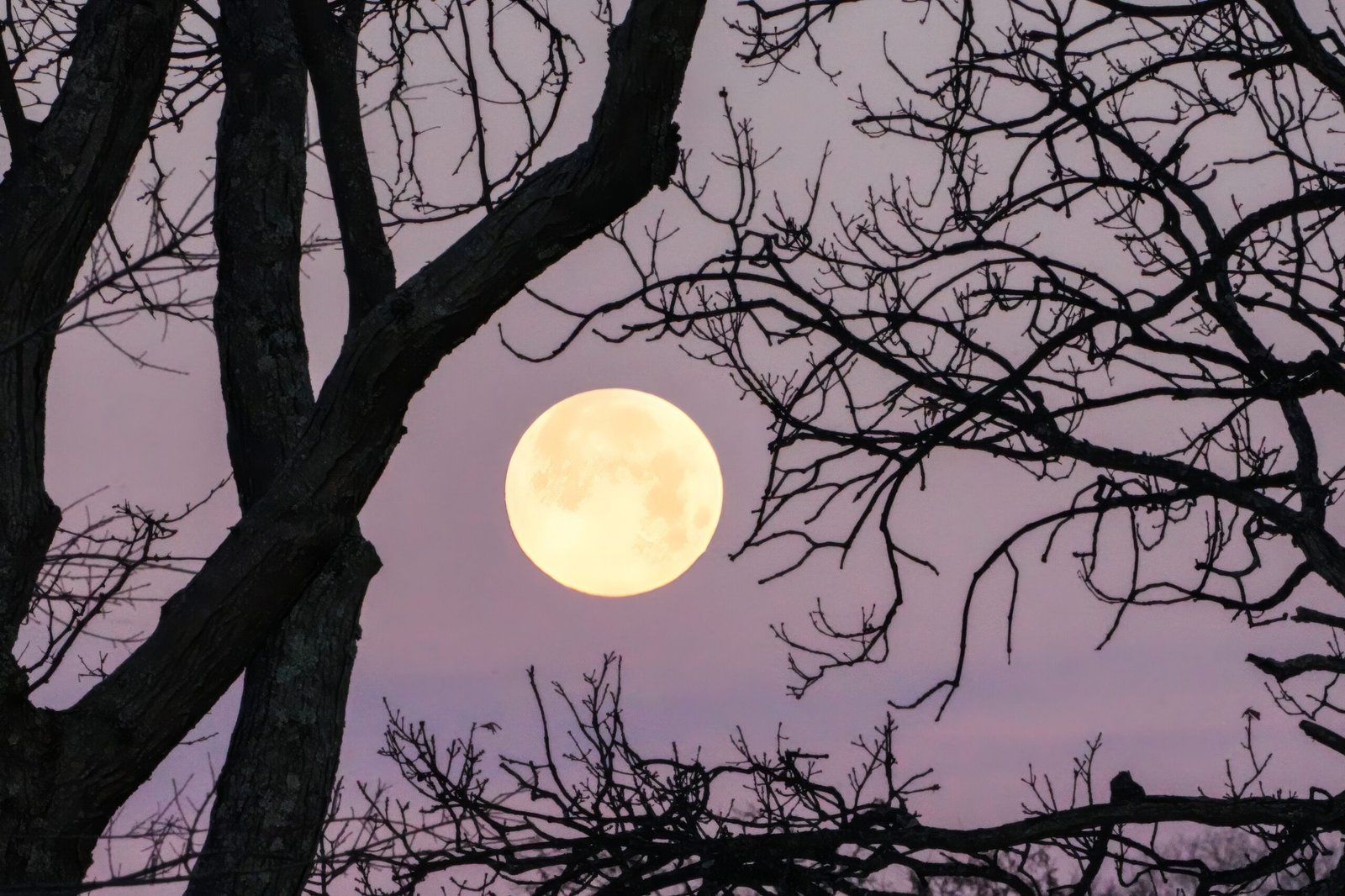
A supermoon will be visible across the Pacific Northwest this November, making the full moon appear slightly larger and brighter than usual.
November’s full moon, commonly known as the Beaver Moon, reaches its full phase on Nov. 24. Oregon and Washington residents can look for it the evening before and again after sunset that day, weather permitting.
Here’s what to know about when to look up and what you can expect to see.
When can you see the super Beaver Moon in Oregon and Washington?
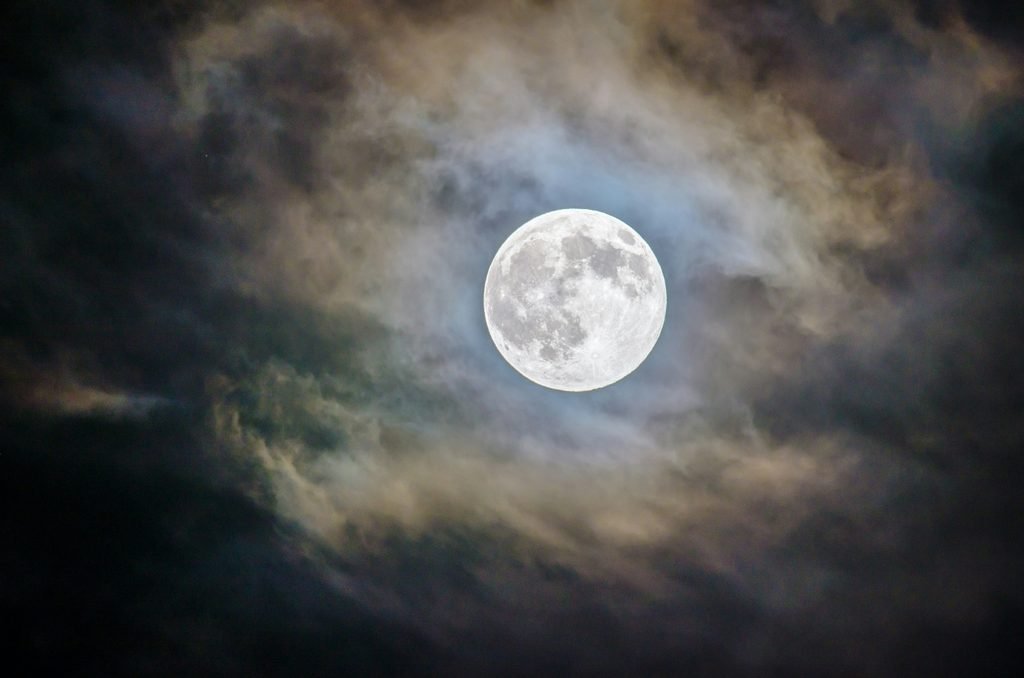
The moon reaches its full phase at about 6:54 a.m. PST Tuesday, Nov. 24, according to NASA.
You don’t need to catch that exact moment. The moon will appear full on the surrounding nights, giving viewers more than one opportunity to see it, according to timeanddate.com.
For an evening view, plan to look around moonrise Monday, Nov. 23, or Tuesday, Nov. 24. Full moons rise around sunset, though the exact time depends on your location.
Check a local moonrise calculator before heading out. Trees, mountains, and buildings can delay your first view even after the moon has risen above the horizon.
What makes it a supermoon?
The moon’s orbit around Earth is oval rather than a perfect circle, so its distance from us changes throughout the month.
A supermoon occurs when a full moon happens near the closest part of that orbit, known as perigee. “Supermoon” isn’t an official astronomical term, and definitions can vary, according to NASA.
For viewers, that means a full moon that can look a little bigger and brighter. The difference may be difficult to notice without comparing photographs.
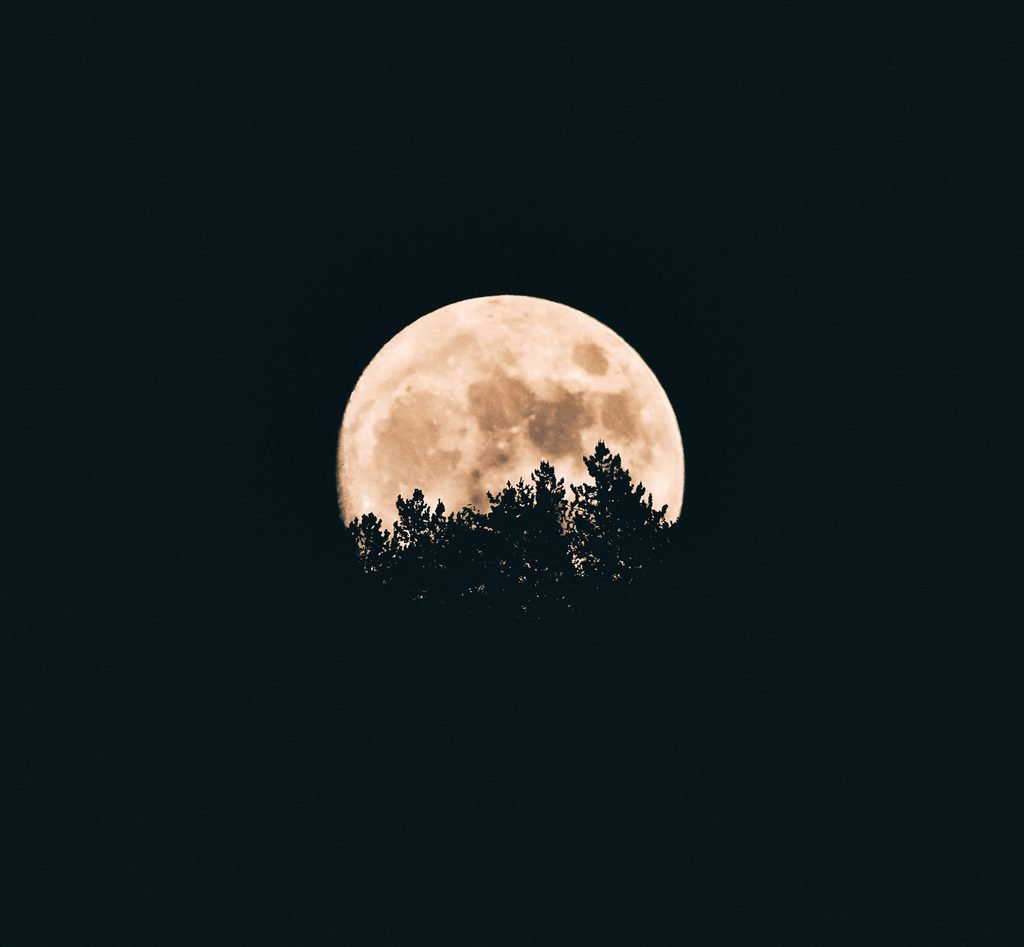
Will the moon look especially large when it rises?
It might, but there’s another reason for that.
The moon often appears much larger near the horizon than it does higher in the sky. That effect is known as the moon illusion, according to NASA.
It happens with ordinary full moons, too. Seeing the moon rise above trees or buildings can make for a striking view, even when the actual difference in its apparent size is small.
Why is November’s full moon called the Beaver Moon?
The name is associated with the time of year when beavers prepare for winter and begin taking shelter in their lodges, according to the Old Farmer’s Almanac.
The Almanac also connects the name to the fur-trapping season, when beavers had thick winter pelts.
Monthly moon names draw from several traditions, including Indigenous, Colonial American, and European sources. They aren’t names universally used by all Indigenous peoples.
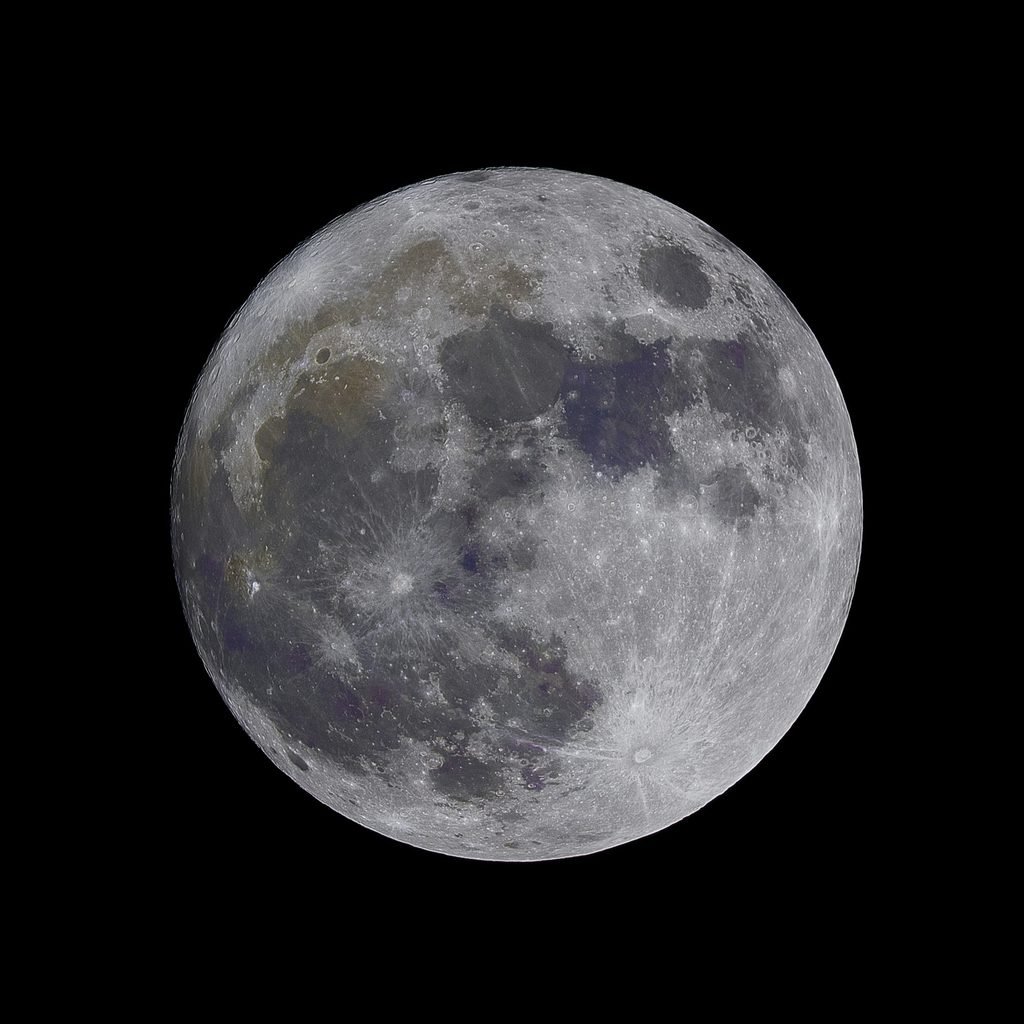
Do you need special equipment to see it?
No. You can see the full moon without a telescope or binoculars, though either can provide a closer look.
You also don’t need to travel to a remote dark-sky area. For this event, prioritize a clear view of the sky and a break in the clouds.
For moonrise, choose a spot with an open view toward the east. If the moon is hidden behind nearby trees or buildings, try again as it climbs higher.
Will skies be clear across the Pacific Northwest?
It’s too early to know whether clouds will cooperate on Nov. 23 and 24.
Check your National Weather Service forecast closer to the event, especially the hourly sky-cover forecast for your location.
Because the moon will appear full on surrounding nights, a cloudy evening doesn’t have to mean missing it entirely.
When is the next supermoon?
Another supermoon will rise in December. NASA lists its full phase at 01:28 UTC Dec. 24, which is 5:28 p.m. PST Wednesday, Dec. 23.
That gives Oregon and Washington another chance to see a supermoon before the end of the year.