Farmers’ Almanac releases Winter 2026-27 weather predictions for the Pacific Northwest
For many of us in the Pacific Northwest, winter means rainy days, snowy mountain passes, and keeping a…
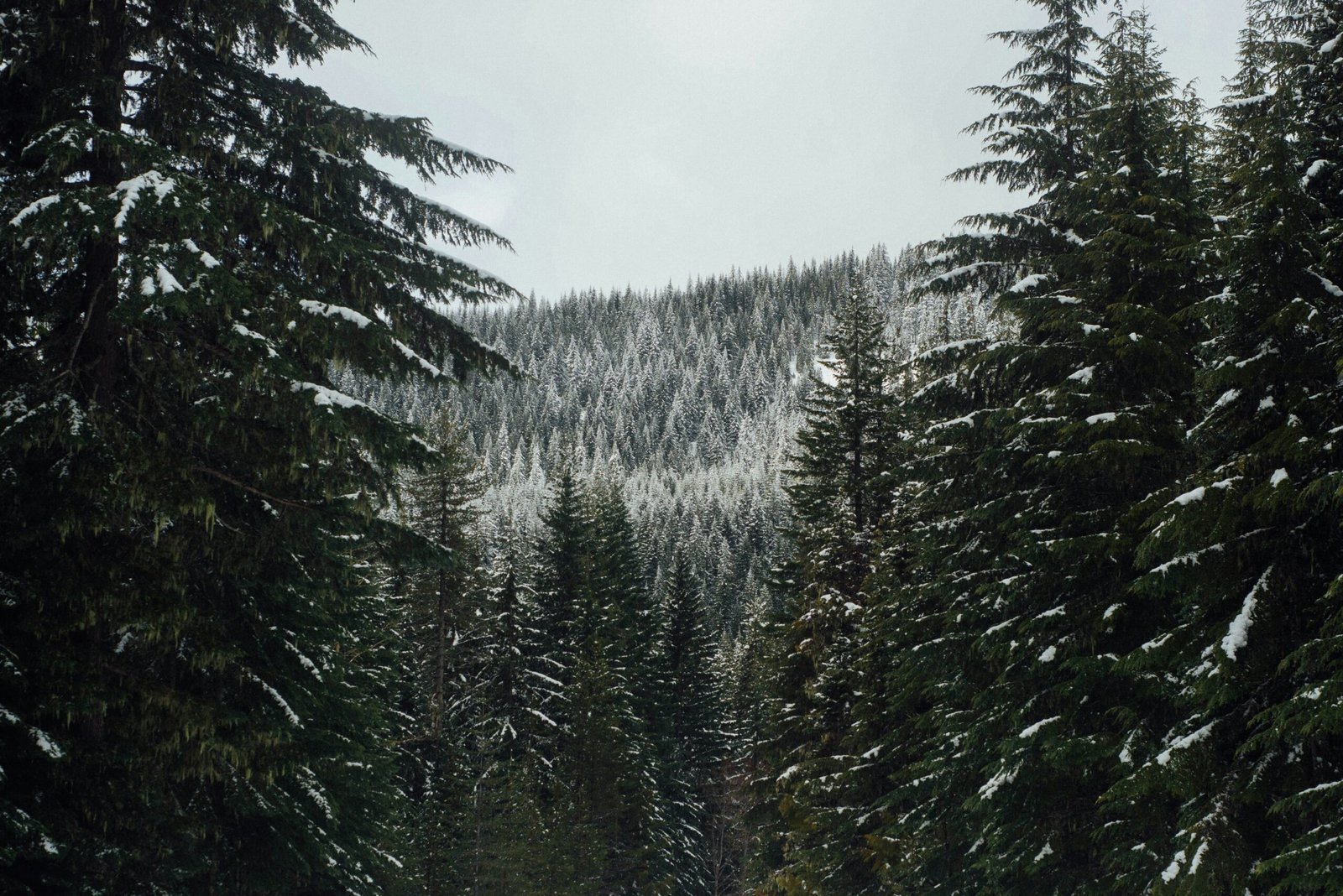
For many of us in the Pacific Northwest, winter means rainy days, snowy mountain passes, and keeping a close eye on the forecast.
With this in mind, the Farmers’ Almanac is offering an early look at what the 2026-27 winter could bring to Oregon and Washington.
The annual weather and seasonal guide released its winter predictions, which point to fluctuating winter conditions and inconsistent snowfall across the Pacific Northwest.
Here’s what the Farmers’ Almanac is predicting for the Pacific Northwest this winter.
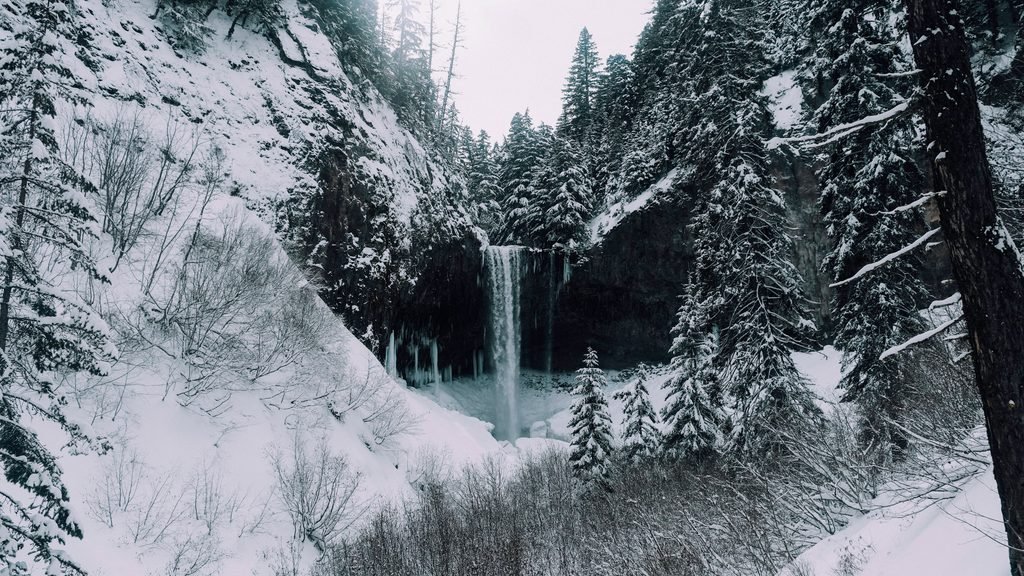
What does the Farmers’ Almanac predict for Winter 2026 in the Pacific Northwest?
Oregon and Washington residents could see plenty of changes in the weather this winter.
The Farmers’ Almanac predicts a “more changeable and somewhat less dependable snow season” in the Pacific Northwest.
While overall temperatures are expected to average near normal, that doesn’t necessarily mean a mild winter.
According to the forecast, fast-moving weather systems could bring sudden cold snaps and brief periods of snow, with milder weather returning between those colder stretches.
That could make this winter one where conditions change quickly rather than staying consistently cold and snowy for long periods.
What could the forecast mean for Oregon and Washington?
For those of us in Oregon and Washington, the forecast could mean a winter with plenty of ups and downs.
Conditions already vary significantly across the Pacific Northwest, particularly between the coast, valleys, Cascade Range, and areas east of the mountains.
A more changeable winter could make those differences even more noticeable.
Areas west of the Cascades could experience stretches of our familiar cool and rainy winter weather, while colder periods could bring snow to the mountains and potentially lower elevations when conditions line up.
The Almanac’s predictions cover broad regions, so individual communities could experience different conditions.
What could the forecast mean for Cascade snow?
After a disappointing 2025 season, those hoping for better snow conditions in the mountains may not find much certainty in this winter’s forecast.
The Farmers’ Almanac specifically predicts a “somewhat less dependable snow season” for the PNW.
That doesn’t mean there won’t be snow.
Instead, the forecast suggests snowy periods could be interrupted by milder stretches, making snowfall less consistent throughout the season.
For the Cascade Range, actual snowfall will depend on individual storms, temperatures, elevation, and other conditions that cannot be predicted this far in advance.
Anyone planning a ski trip, snowshoeing adventure, or other winter activity should still check mountain conditions and short-term forecasts closer to their trip.
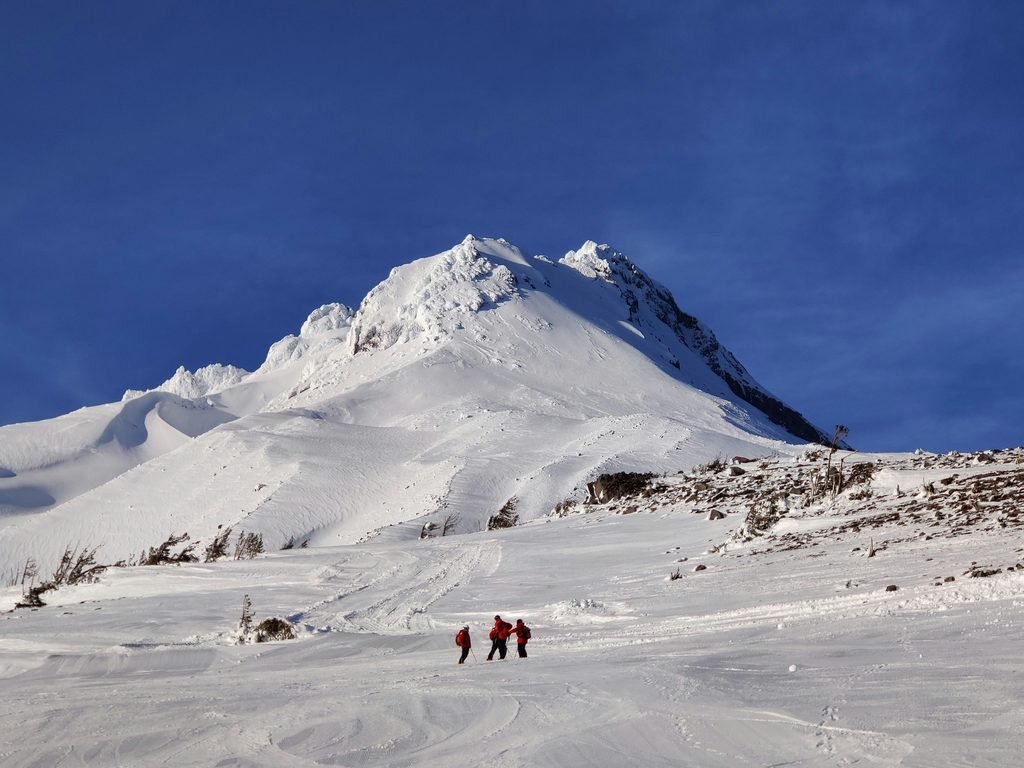
What role could El Niño play this winter in the Pacific Northwest?
El Niño could also have an influence on weather across the country this winter.
According to the Farmers’ Almanac, El Niño is expected to remain an important factor through the heart of the season.
The pattern is expected to support an active southern storm track, bringing wetter-than-normal weather from Southern California and the Southwest east through parts of the southern United States.
For Oregon and Washington, the development of El Niño will be one weather pattern to watch as winter approaches, particularly for its potential influence on temperatures, precipitation, and mountain snow.
As with any seasonal outlook, the actual impacts will depend on how weather patterns develop throughout the winter.
How does the Farmers’ Almanac make its forecasts?
The Farmers’ Almanac has been predicting long-range weather conditions since 1818.
According to the publication, its forecasting formula considers several factors, including natural cycles, solar activity, lunar influences, and historical weather patterns.
The Farmers’ Almanac says it also uses modern forecasting tools, including satellite observations, computer models, current weather data, and historical comparisons.
Together, these methods are used to create broad, long-range forecasts for regions across the country.
What’s the difference between the Farmers’ Almanac and the Old Farmer’s Almanac?
Despite their similar names, the Farmers’ Almanac and the Old Farmer’s Almanac are two separate publications.
The Old Farmer’s Almanac was first published in 1792 and is based in Dublin, New Hampshire. The Farmers’ Almanac followed in 1818 and is based in Lewiston, Maine.
Both publications release long-range weather predictions, along with information about gardening, astronomy, and seasonal topics.
However, each uses its own forecasting methods and produces its own weather outlooks.
That means the Farmers’ Almanac winter forecast covered here is separate from the Old Farmer’s Almanac forecast, and the two may offer different predictions for the Pacific Northwest.