Oregon closes razor clamming statewide after tests find elevated toxin levels
Razor clam harvesting is closed along the entire Oregon coast after recent testing found unsafe levels of domoic…
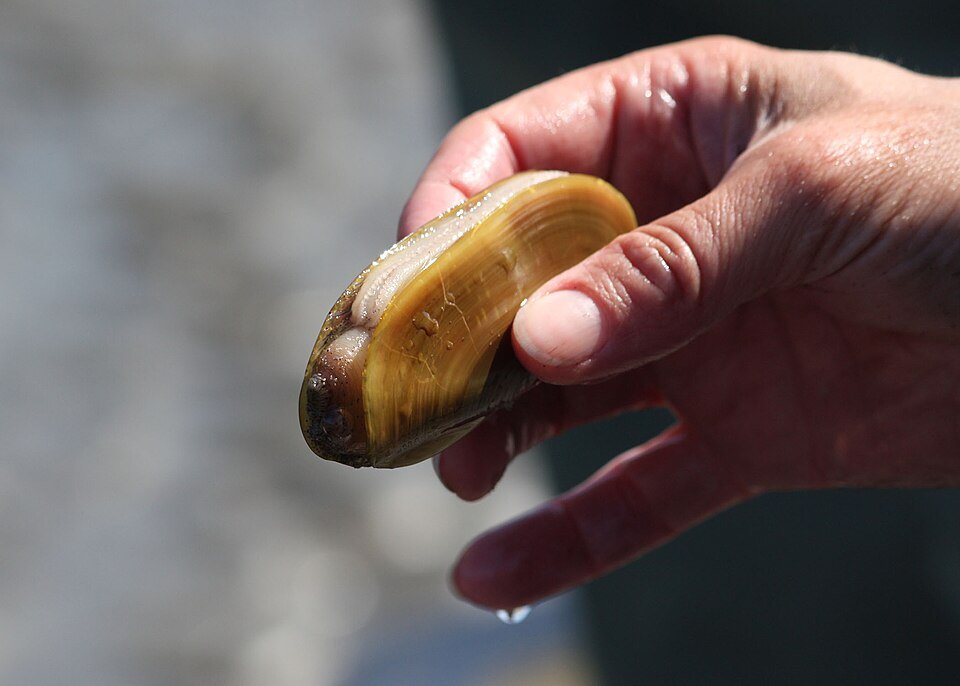
Razor clam harvesting is closed along the entire Oregon coast after recent testing found unsafe levels of domoic acid, a marine biotoxin.
The Oregon Department of Agriculture and Oregon Department of Fish and Wildlife announced the closure Oct. 2. It covers all razor clam harvesting between the Washington and California borders, including the popular digging beaches in Clatsop County.
Other shellfish harvesting remains open under the state’s biotoxin guidelines, including bay clams and mussels.
Here’s what to know before heading to the coast.
Why did Oregon close razor clamming?
Recent razor clam samples contained domoic acid above the state’s safety threshold, prompting the coastwide closure, according to the agencies.
Domoic acid occurs naturally in certain marine algae and can accumulate in shellfish. Eating contaminated shellfish can cause illness, and cooking or freezing does not make the toxin safe to consume.
What shellfish can visitors still harvest?
As of the Oct. 2 update, Oregon’s biotoxin harvesting status is:
- Razor clams: Closed coastwide.
- Bay clams: Open coastwide.
- Mussels: Open coastwide.
- Crab: Open coastwide under biotoxin guidelines.
Mussel harvesting reopened on the southern Oregon coast after testing showed domoic acid had fallen below the alert level.
Harvesters should also check ODFW’s separate season dates, licensing requirements, and harvest rules before making plans.
When could razor clamming reopen?
The announcement does not include a reopening date.
An area must pass two consecutive tests with toxin levels below the closure limit before harvesting can resume. Those samples must be collected at least one week apart.
Locals and visitors should check the Oregon shellfish closure page or call the Shellfish Safety Hotline at 800-448-2474 before each harvesting trip. The hotline updates when toxin levels trigger a closure.