Oregon releases new guidance for tsunami evacuation structures along the coast
For years, people across the Pacific Northwest have heard warnings about “the Big One,” a powerful earthquake expected…
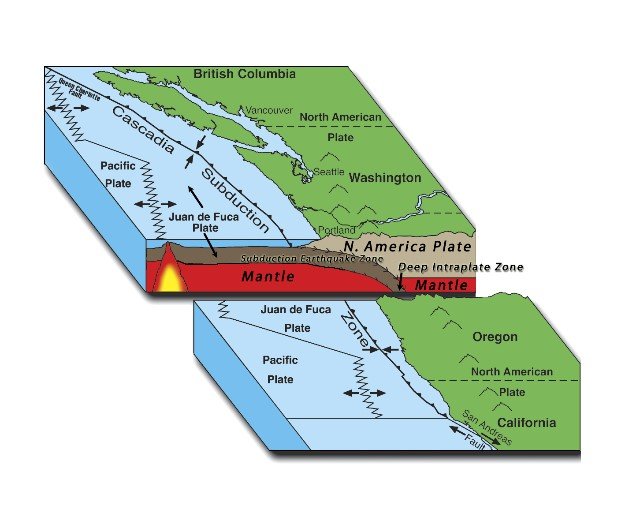
For years, people across the Pacific Northwest have heard warnings about “the Big One,” a powerful earthquake expected to strike along the Cascadia Subduction Zone.
The fault has produced major earthquakes about every 500 years on average, although they do not occur on a set schedule. The last full rupture happened in 1700.
According to the U.S. Geological Survey, there is “a 10-15-percent chance of an approximately magnitude 9 earthquake on the Cascadia Subduction Zone; and a 17-percent chance of a magnitude 6.5 or greater crustal fault earthquake in the Puget Sound region in the next 50 years.”
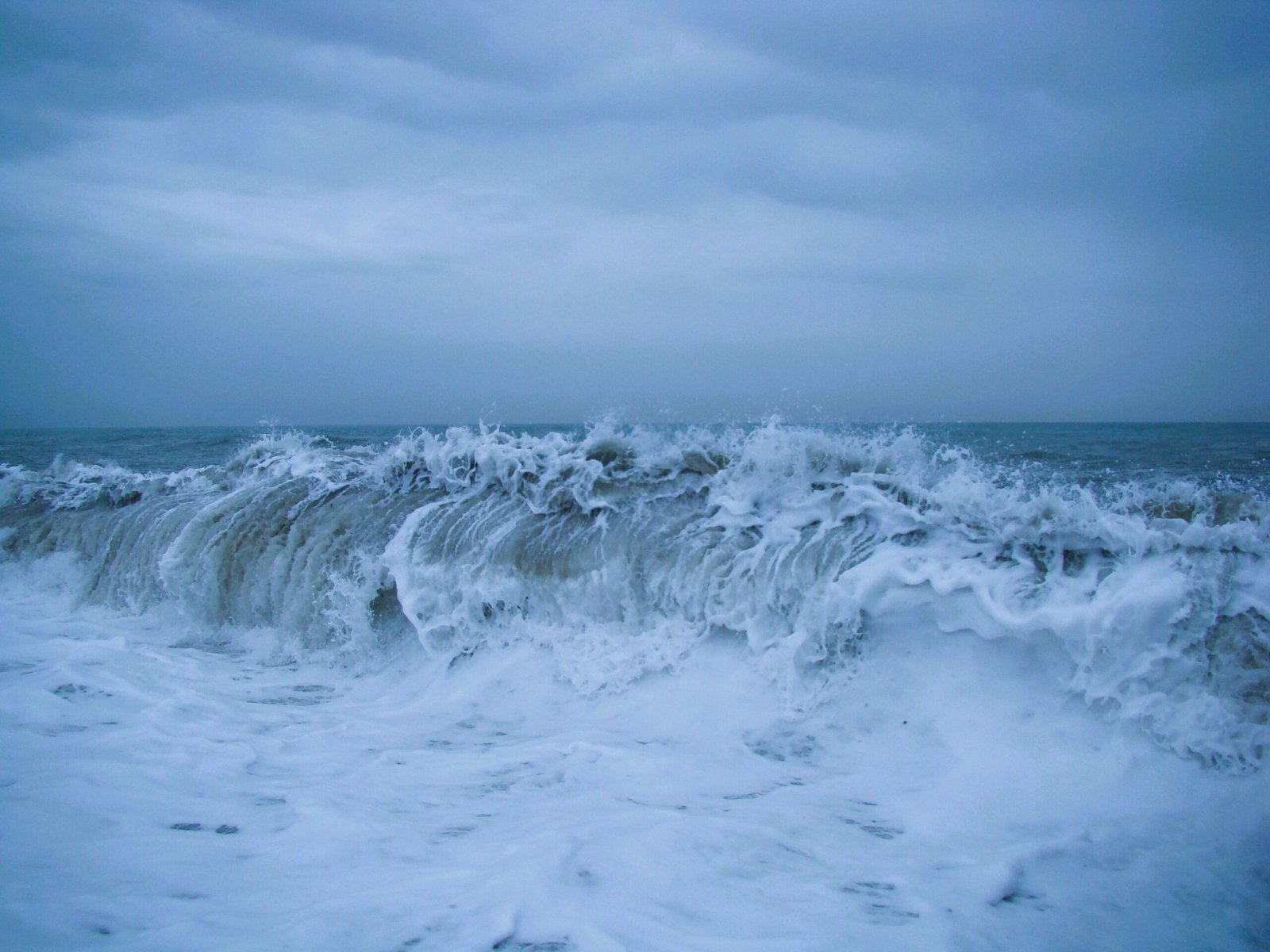
If a major Cascadia earthquake strikes, the shaking could trigger a tsunami just off the Oregon and Washington Coast.
This means that some coastal communities may have only minutes to evacuate, and the nearest hill or other natural high ground may be too far away to reach in time.
The Oregon Department of Emergency Management has now released new guidance to help coastal communities explore “vertical evacuation structures” as another option.
These reinforced towers, buildings, platforms or artificial hills would give people a nearby place to climb above the expected tsunami flooding.
Why could the structures be needed?
A major earthquake along the Cascadia Subduction Zone could cause three minutes or more of shaking.
That earthquake could also trigger a tsunami just offshore. Because the waves would not have far to travel, they could begin reaching parts of the coast as little as 10 minutes after the shaking starts.
People would need to begin evacuating as soon as the ground stops moving. In some low-lying communities, however, the nearest high ground may still be too far away to reach on foot.
What is a vertical evacuation structure?
A vertical evacuation structure is a tall, reinforced structure designed to withstand an earthquake and tsunami.
It could be a tower, an elevated platform, a specially designed building or an artificial hill known as a berm. During a tsunami evacuation, people would climb to the top and remain above the expected flood level.
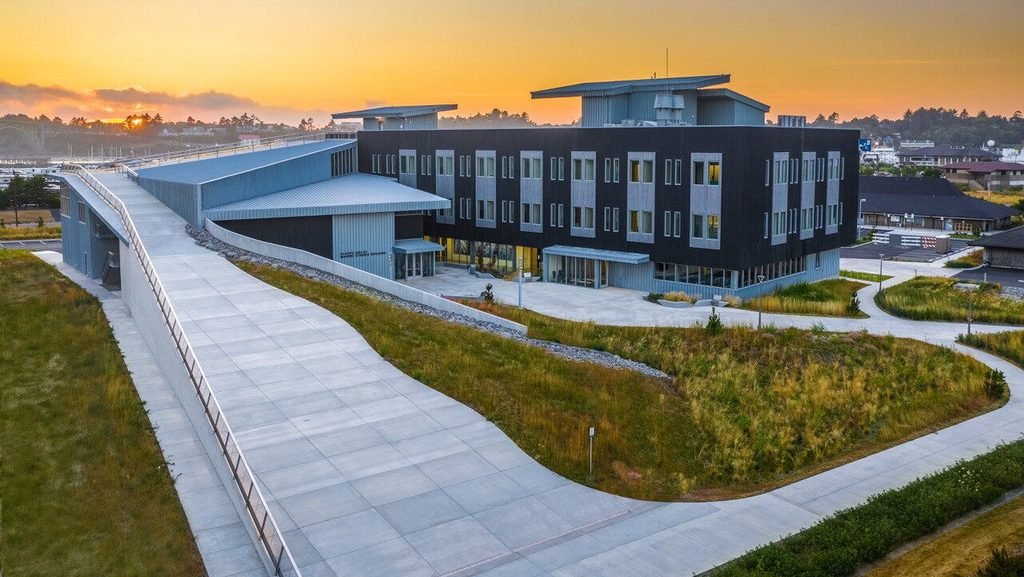
Oregon already has one example at Oregon State University’s Hatfield Marine Science Center in Newport. The Gladys Valley Marine Studies Building includes an elevated evacuation area with room for more than 900 people.
What does the new guidance do?
The state is not announcing plans to build new structures. Instead, the guidance gives coastal communities information to decide whether a structure is needed and how one could be developed.
It covers possible designs, locations, costs, funding, building requirements and evacuation planning. It also includes maps and examples of other vertical evacuation projects.
Oregon’s complete Tsunami Vertical Evacuation Structure Guidance is available through the Department of Emergency Management.