Oregon’s 2026 Big Game Hunting Forecast: What Hunters Can Expect This Fall
Oregon hunters are heading into the 2026 big game seasons after a mild winter helped deer and elk…

Oregon hunters are heading into the 2026 big game seasons after a mild winter helped deer and elk survive in good condition across much of the state, but drought, wildfire, and changing land access could complicate hunting this fall.
The Oregon Department of Fish and Wildlife released its 2026 Big Game Hunting Forecast on Sept. 2, providing regional outlooks for deer, elk, pronghorn, bear, and cougar.
According to ODFW, the unusually mild and warm 2025-26 winter generally resulted in good overwinter survival. That could put more yearling bucks and bulls on the landscape in some parts of Oregon.
Conditions are not favorable everywhere, however. Deer populations remain below management objectives in several areas, and dry conditions have returned following a brief improvement in drought.
Here’s what Oregon hunters should know before heading into the field.
How could wildfire and drought affect Oregon hunting this fall?
Fire and drought could be two of the biggest factors affecting the 2026 hunting season.
Oregon is coming off a significant wildfire year, and some public and private lands remain affected by closures or restrictions.
Conditions can change quickly, making it important for hunters to check with the Forest Service, Bureau of Land Management, Oregon Department of Forestry, timber companies, and other land managers before traveling.
Wildfires can also change where hunters find animals.
ODFW noted that deer and elk often return to burned areas as vegetation begins growing again. Older burns with new forage, along with the edges of burned and unburned timber, can provide productive habitat.
In several regions, hunters may find deer, elk, and pronghorn concentrated near dependable water and areas where green forage remains available.
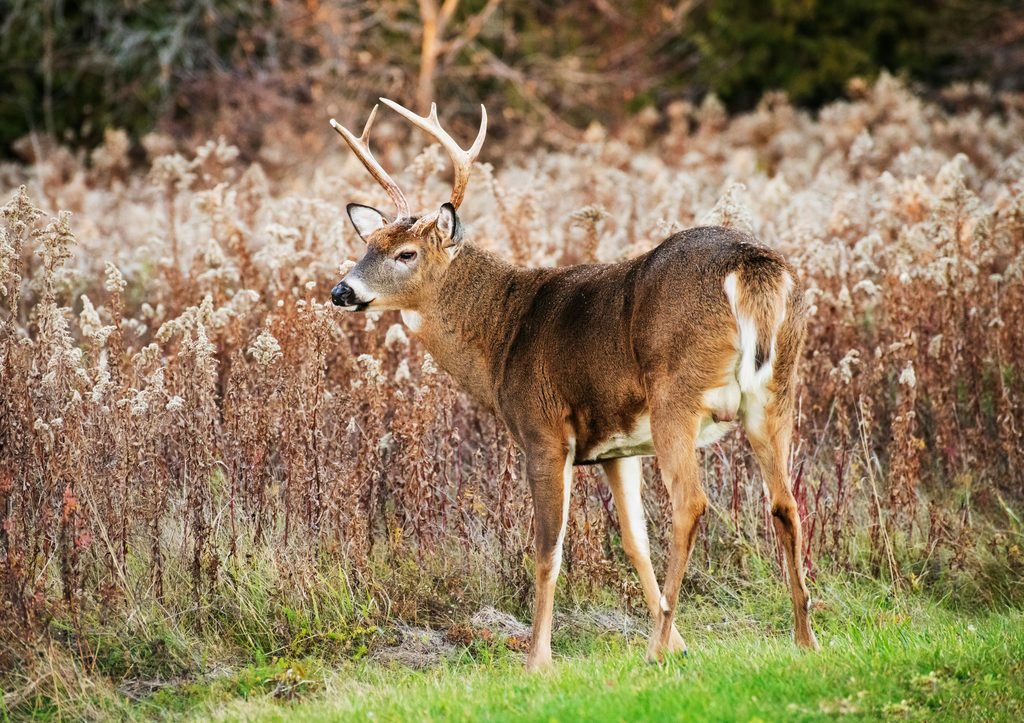
What does the forecast say about deer hunting?
In Central Oregon, populations remain below management objectives in several areas, although buck ratios are encouraging.
The Deschutes herd range, for example, has averaged 29 bucks per 100 does over the past five years.
The Columbia region also has some positive signs. ODFW reported stable or increasing deer populations in several units, with higher fawn and buck ratios than in previous years.
Northeast Oregon is more mixed. Mule deer remain below management objectives in a number of units, although buck ratios are meeting or exceeding objectives in several areas.
In Western Oregon, Black-tailed deer survived the winter relatively well along the north coast, and ODFW describes buck hunting prospects as decent in the Saddle Mountain, Wilson, and Trask units.
In the South Santiam Unit, deer numbers are similar to recent years. Hunters may want to focus on clearcuts, thinning projects, and other areas where new vegetation provides forage.
Where are Oregon’s elk prospects looking stronger?
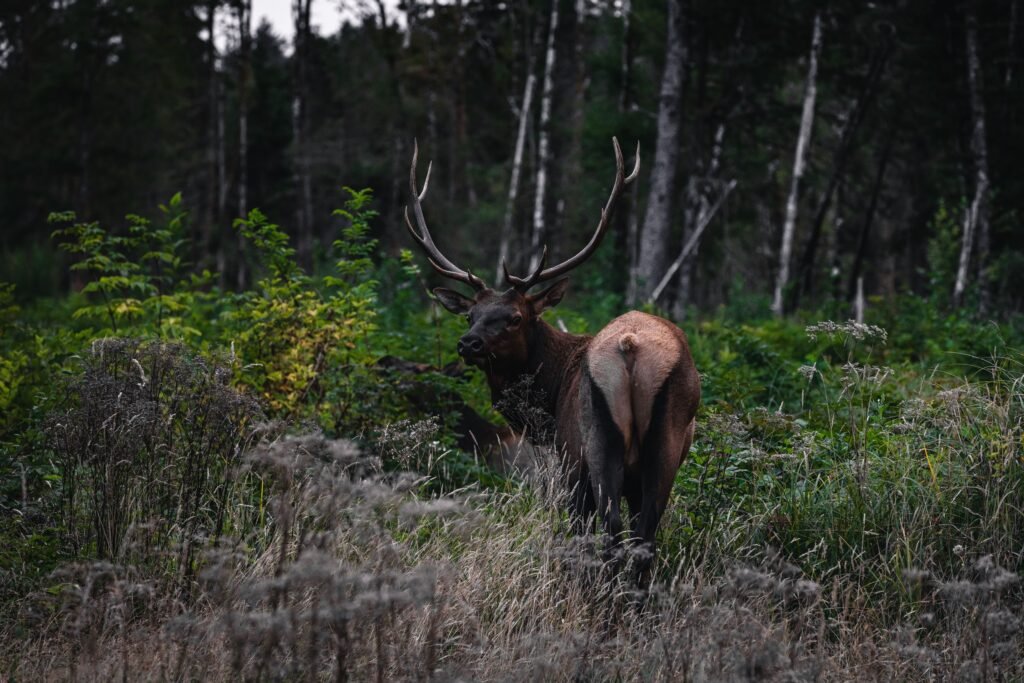
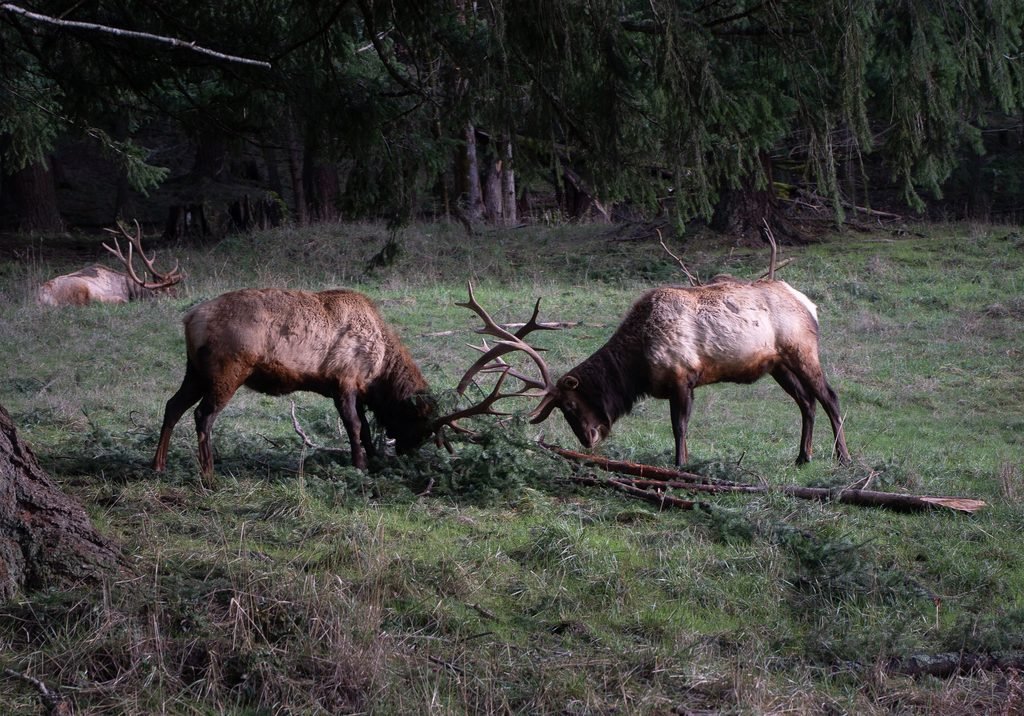
Some of the more encouraging elk reports are coming from Central and Northeast Oregon.
ODFW recorded a record elk count this spring in both the Metolius and Upper Deschutes units. Populations are at or near management objectives in the East Central Cascades, although calf recruitment and bull ratios remain low.
In Baker County, elk herds came through the winter in good condition. Populations in the Keating, Pine Creek, and Lookout Mountain units continue to grow, with bull ratios at or near management objectives.
Elk numbers are also strong around Starkey and Catherine Creek, where populations are above management objectives. ODFW reported that Catherine Creek’s harvest success last year was its highest in a decade.
Conditions are less favorable in some other areas. Elk numbers have declined in the Maury Unit, while populations in parts of Southeast Oregon remain relatively low.
Across the state, ODFW recommends getting away from open roads when possible. Elk often move away from roads and heavily traveled areas once hunting pressure increases.
What should hunters know about chronic wasting disease?
ODFW is again asking hunters to have harvested deer and elk tested for chronic wasting disease, or CWD.
The disease has not been detected in Oregon, but it has been found in most surrounding states. Because infected animals can carry and spread CWD without obvious symptoms, testing helps wildlife managers detect a potential introduction sooner.
Hunters can submit samples through ODFW offices, collection bins, participating meat processors and taxidermists, and check stations operating at select locations during the opening weekend of some deer and elk seasons.
Oregon also restricts hunters from bringing certain deer, elk, moose, and caribou parts into the state from other states and Canadian provinces. The restrictions include parts containing brain or spinal tissue.