Overnight break-in leaves hundreds of mink missing from Oregon pelt farm
An Oregon mink farm is working to recover hundreds of animals still missing after an overnight break-in released…
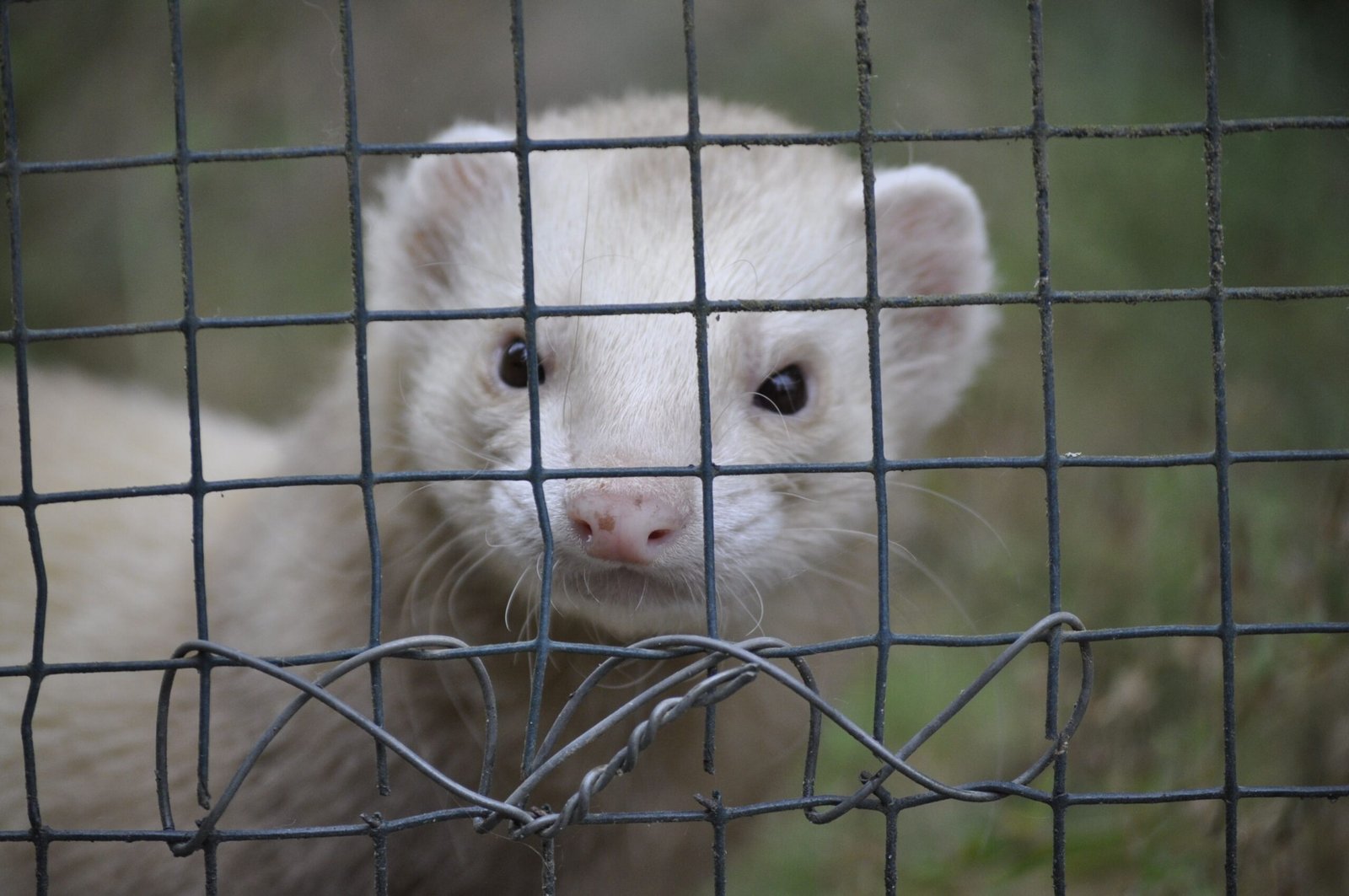
An Oregon mink farm is working to recover hundreds of animals still missing after an overnight break-in released roughly 1,500 mink outside their enclosures.
The mink were released from a farm near Turner after someone cut through a perimeter fence overnight, prompting a recovery effort and investigation by Marion County Sheriff’s office.
The animals were released from Cascade Farms early Thursday, Aug. 13, according to Fur Commission USA, a national trade association representing U.S. mink farmers.
The group said the incident happened sometime Wednesday night or early Thursday morning.
By mid-morning on Aug. 13, the farm had recovered about 80% of the animals, according to the association.
What happened at the Turner mink farm?
Fur Commission USA said one or more people are suspected of entering the property after cutting through a section of the farm’s perimeter fence.
No information about possible suspects or arrests was immediately available.
“This wasn’t activism,” said Challis Hobbs, Executive Director of Fur Commission USA, an organization that represents mink farmers including Cascade Farm. “It was a criminal act against a legally operated, certified farm.”
According to Hobbs, the farm manager, his family, and other employees and their families live on the property.
“The farm manager and his wife and children live on this property, along with other employees and their families,” he said. “It’s deeply unsettling to have people cut through a fence in the middle of the night with children sleeping just steps away.”
What happens to mink that are not recovered?
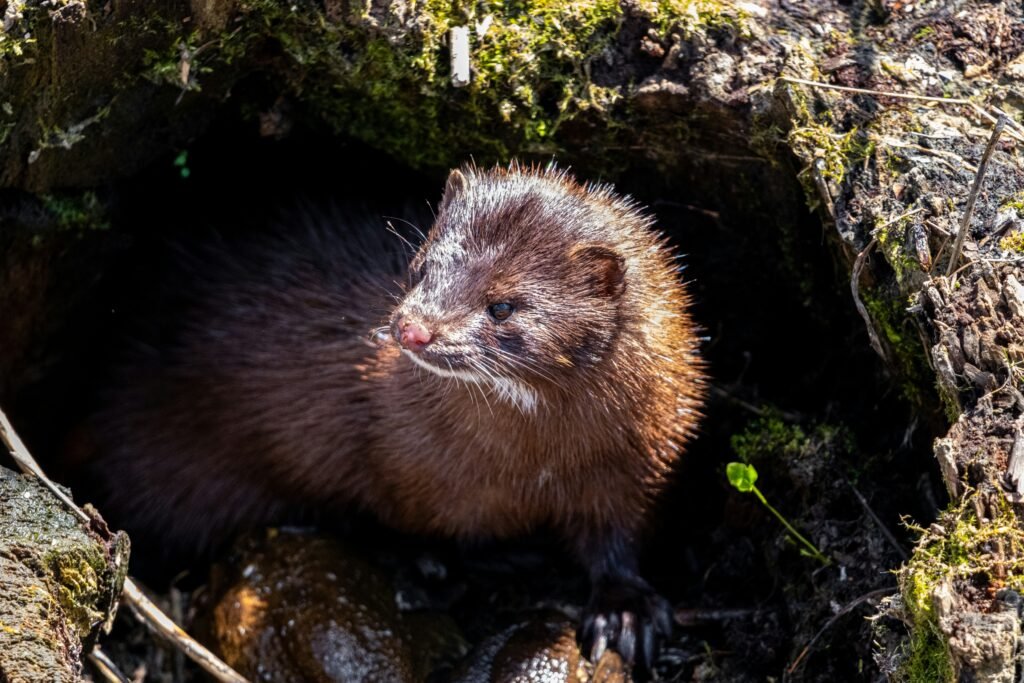
The industry group said farm-raised mink that remain outside the facility face a high risk of dying from dehydration, starvation, predators, or other hazards.
Hobbs said unrecovered animals could die within 24 to 48 hours.
Fur Commission USA has made similar warnings following releases at other U.S. mink farms, saying animals raised in captivity are poorly equipped to survive after being released.
Recovery efforts were continuing Thursday.
What is Cascade Farms?
Cascade Farms is a mink farm in Turner, about 10 miles southeast of Salem in Marion County.
The farm raises mink for pelts and is licensed by the Oregon Department of Agriculture, according to Fur Commission USA. The association also said the operation holds its Humane Care Certification.
The industry certification program covers areas including housing, food and water, animal health, environmental conditions, transportation, biosecurity, and euthanasia. Farms are inspected for compliance before receiving certification, according to Fur Commission USA.
Cascade Farms could not immediately be reached for comment Thursday, according to published reports.
Why are Oregon mink farms noteworthy?
Oregon has historically ranked among the country’s major mink-producing states, although the U.S. industry has declined substantially from previous decades.
Fur Commission USA identifies Oregon alongside Wisconsin, Utah, Idaho, and Minnesota as important mink-producing states, though some of the association’s publicly available production figures are dated.
Many of Oregon’s remaining mink farms have been concentrated in Marion County.
Mink farms have also been targeted in previous trespassing and animal-release incidents around the United States. In July 2025, for example, approximately 2,000 mink were released after a security fence was cut at a farm in Ohio, according to Fur Commission USA.
The investigation into the Turner release remains ongoing.