Perseid meteor shower peaks tonight: Here are places to watch in Oregon and Washington
One of the year’s most anticipated meteor showers is about to reach its peak, and Pacific Northwest stargazers…
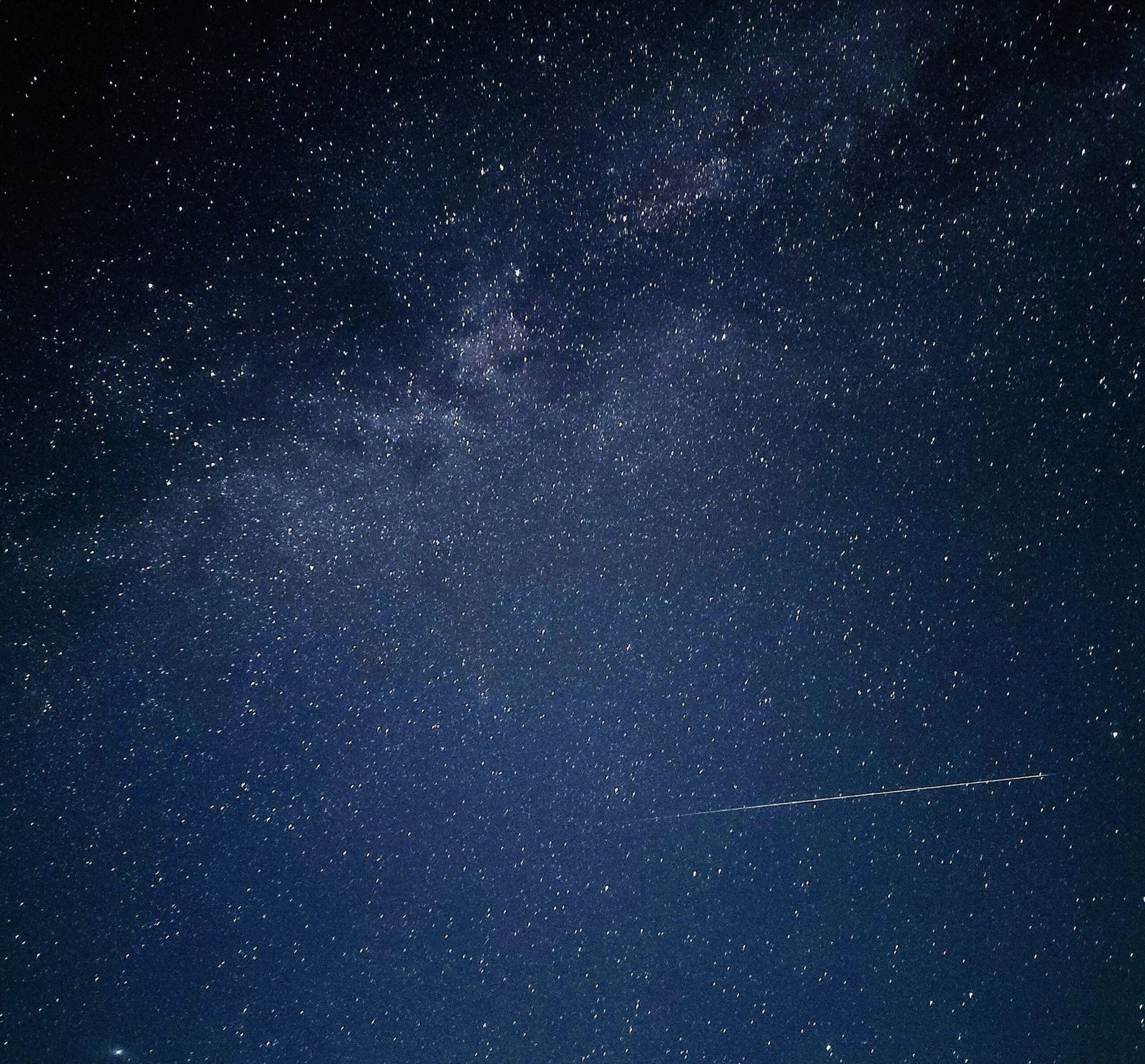
One of the year’s most anticipated meteor showers is about to reach its peak, and Pacific Northwest stargazers could have some of the best viewing conditions in years.
The Perseid meteor shower will peak overnight Wednesday, Aug. 12, into early Thursday, Aug. 13, 2026, potentially producing dozens of meteors per hour over Oregon and Washington.
This year’s timing comes with an added bonus. The peak coincides with a new moon, meaning little to no moonlight will wash out the night sky.
According to the American Meteor Society, the Perseids can reach a zenithal hourly rate of about 100 meteors under ideal conditions. Actual numbers seen by most observers will depend on darkness, clouds, light pollution and viewing location.
Here’s what to know about watching the 2026 Perseid meteor shower in Oregon and Washington.
When does the Perseid meteor shower peak in 2026?
The Perseids are active from July 17 through Aug. 24, according to the American Meteor Society.
The shower reaches its 2026 peak Aug. 12-13, with the best viewing generally coming during the late-night and predawn hours.
The Perseids are especially well suited to viewers in the Northern Hemisphere, putting Oregon and Washington in a favorable position.
Why 2026 could be an especially good year for the Perseids
Unlike some years when a bright moon interferes with the shower, the moon should be virtually absent from the sky during the 2026 peak.
A new moon occurs Aug. 12. The American Meteor Society lists the moon as 0% full on peak night and describes conditions as optimal for watching the shower.
That could make a noticeable difference. Fainter meteors that might otherwise disappear in moonlight should be easier to spot from dark locations.
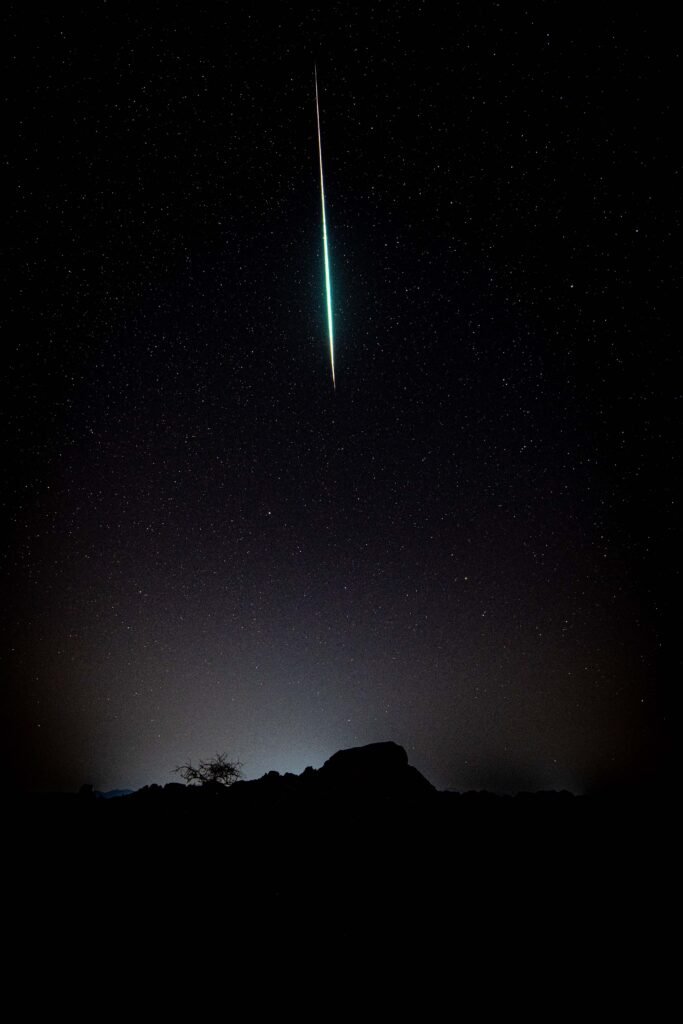
The Perseids are also known for producing fast, bright meteors and occasional fireballs. The meteors travel into Earth’s atmosphere at about 37 miles per second.
What causes the Perseid meteor shower?
The Perseids return each summer as Earth travels through debris left behind by Comet 109P/Swift-Tuttle.
Tiny particles from the comet collide with Earth’s atmosphere at high speeds and burn up, creating the streaks of light commonly called shooting stars.
The shower gets its name from the constellation Perseus, where its meteors appear to originate. Viewers don’t need to stare directly at Perseus, however. Meteors can streak across large portions of the sky.
What is the best time to watch the Perseids in Oregon and Washington?
Plan on staying up late.
Viewing generally improves after midnight and continues through the predawn hours as the Perseid radiant climbs higher in the sky.
For Pacific Northwest viewers, the night of Wednesday, Aug. 12, into the morning of Thursday, Aug. 13, is the main window to watch.
Stargazers should find the darkest location possible, allow their eyes at least 20 to 30 minutes to adjust and avoid looking at phones or other bright lights.
No telescope or binoculars are necessary. In fact, watching with the unaided eye provides a wider field of view and makes it easier to catch meteors appearing in different parts of the sky.
A reclining chair, blanket and warm layers can make the wait considerably more comfortable. Even during August, temperatures can drop quickly overnight in the mountains, high desert and along the Pacific Coast.
Where are the best places to watch the Perseids in Oregon?
Oregon has become a major destination for dark-sky recreation, with several communities, parks and protected areas recognized for their nighttime skies.
Potential viewing areas include:
Oregon Outback International Dark Sky Sanctuary: The vast sanctuary in Lake County covers thousands of square miles of sparsely populated southeastern Oregon and offers exceptionally dark skies.
Prineville Reservoir State Park: The Central Oregon park is an International Dark Sky Park and has an observatory and designated stargazing area. After-hours stargazing requires following the park’s permit requirements.
Cottonwood Canyon State Park: The remote park along the John Day River is an International Dark Sky Park with limited surrounding development.
Sisters: The Central Oregon community was designated an International Dark Sky Community in 2025 and is surrounded by large areas of public land.
Antelope: The small north-central Oregon community is another International Dark Sky Community. Nearby Antelope Basecamp also became Oregon’s first DarkSky Approved Lodging property in 2026.
Oregon Caves National Monument and Preserve: The Southern Oregon park became an International Dark Sky Park in 2024 and is surrounded by undeveloped portions of the Siskiyou Mountains.
Sunriver: The Central Oregon resort community has long been recognized for efforts to preserve its dark night skies.
Crater Lake and other remote areas of the Cascades, eastern Oregon and Southern Oregon can also provide dark skies when weather, wildfire conditions, and access allow.
Visitors heading onto public lands should check current road, fire and closure information before making a late-night trip.
Where are the best places to watch the Perseids in Washington?
Washington also has plenty of options for escaping the glow of Seattle, Tacoma, Spokane and other population centers.
Some areas to consider include:
Goldendale area: Goldendale Observatory State Park Heritage Site in south-central Washington is one of the Northwest’s best-known astronomy destinations and houses one of the nation’s largest public telescopes. The observatory operates on a set schedule and reservations are required for programs, so visitors should check access and hours before traveling.
Olympic National Park: With about 95% of the park designated wilderness, Olympic offers large areas removed from artificial light. The National Park Service highlights locations ranging from mountain areas to the Pacific Coast for night-sky viewing.
Hurricane Ridge: On clear nights, the high-elevation Olympic National Park destination offers expansive skies and hosts astronomy programs during parts of the summer. Visitors should check current road access before traveling.
Lake Wenatchee area: The Cascades location provides darker skies than the Puget Sound metropolitan area, and Lake Wenatchee State Park hosts astronomy programs during summer.
North-central Washington: The Methow Valley and surrounding public lands offer broad stretches of relatively dark sky away from the state’s largest cities.
Washington’s Cascade campgrounds: Campgrounds away from major highways and population centers can provide good viewing while allowing visitors to remain legally inside parks after normal day-use hours.
Because many Washington state park day-use areas close at dusk, visitors planning to watch the shower after midnight should verify park hours or reserve an overnight campsite rather than assuming parking areas remain open.
How many Perseid meteors could you see?
The American Meteor Society says up to 100 Perseid meteors per hour could be visible during the shower’s peak.
That number represents an idealized rate under exceptionally dark skies with the radiant positioned favorably overhead. Most people should not expect to count exactly 100 shooting stars every hour.
From a rural location with clear skies, however, the American Meteor Society says normal peak rates can reach roughly 30 to 50 Perseid meteors per hour. Particularly bright meteors and fireballs can also appear throughout the shower.
What could interfere with Perseid viewing?
While moonlight won’t be much of a problem in 2026, Pacific Northwest weather remains the biggest variable.
Clouds can quickly erase the advantage of otherwise dark skies, particularly along the Oregon and Washington coasts and west of the Cascade Range.
Oregon and Washington are both expected to have mostly clear skies for the Perseid peak, although viewing conditions could be less favorable along the Oregon Coast, where cloud cover may reach 80%, according to the National Weather Service.
Wildfire smoke can also reduce visibility though. Travelers heading toward the Cascades or eastern portions of Oregon and Washington should check fire conditions, air quality, road closures and local restrictions before leaving.
When is the next major meteor shower after the Perseids?
The Perseids remain active through Aug. 24, so a few meteors should continue appearing after peak night.
The next major shower on the calendar is the Orionids, which are active from Oct. 2 through Nov. 7 and peak Oct. 21-22.
The Orionids won’t have the same favorable lunar conditions as this year’s Perseids. The moon will be about 80% full during their 2026 peak.
That makes the night of Aug. 12-13 one of the better opportunities of 2026 for Pacific Northwest residents and travelers to find a dark patch of Oregon or Washington sky, settle in and watch the year’s most popular meteor shower.