Seven Oregon ghost towns that offer a rare look into the state’s past
You don’t need perfect weather to explore Oregon. In fact, some of the best days to get out…
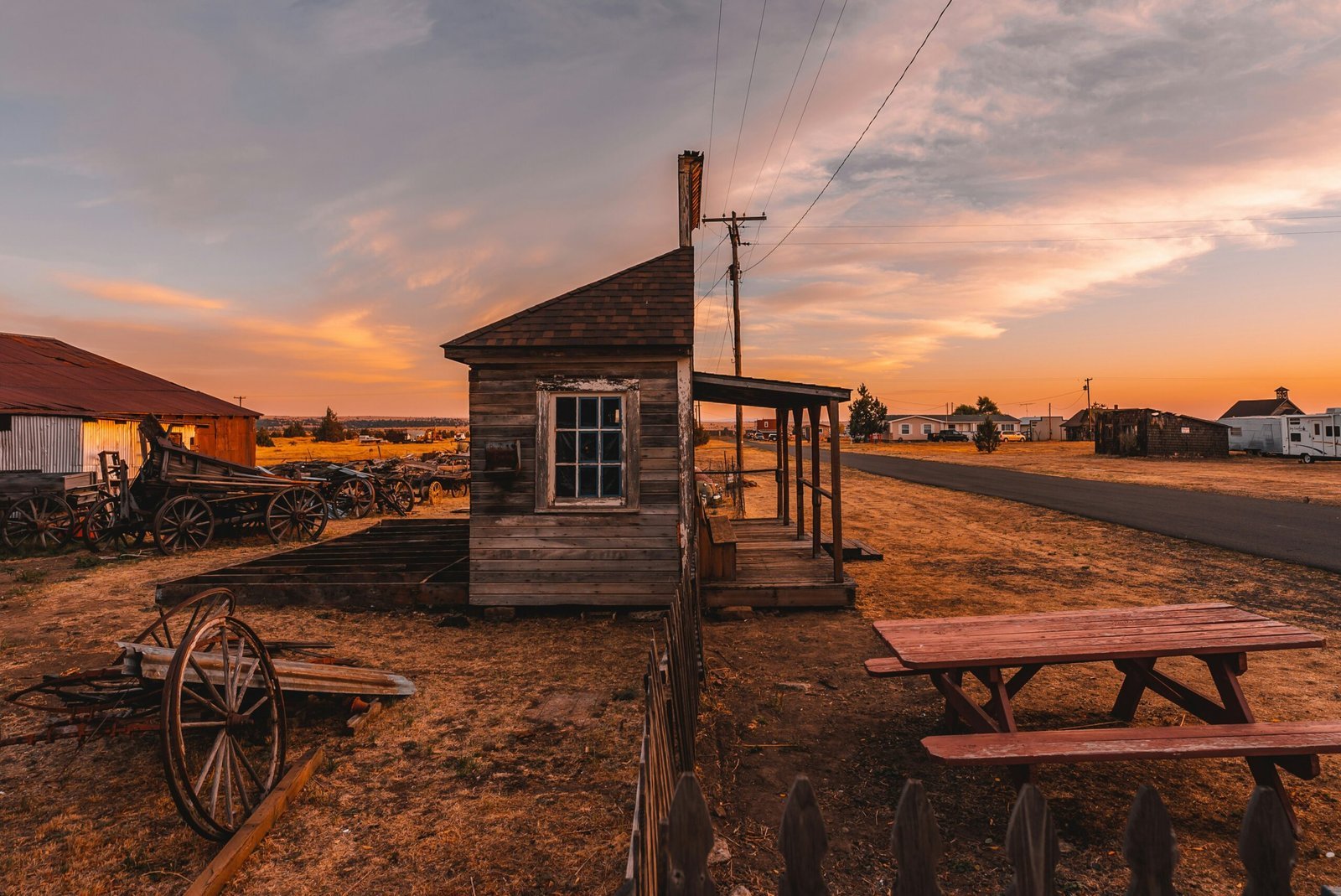
You don’t need perfect weather to explore Oregon. In fact, some of the best days to get out and see something new are the gray, moody ones.
That’s especially true if you’re interested in ghost towns.
If you’ve ever driven through parts of Oregon and wondered about the empty buildings or forgotten places just off the highway, you’re not alone. These spots are scattered across the state, and once you start noticing them, you realize just how many there are.
Oregon is often said to be home to around 60 to 70 ghost towns. But the reality is, that number is likely much higher.
Some experts, including Steve Arndt, author of “Roads Less Traveled” and “Oregon Ghost Towns A to Z,” have spent years documenting these places and estimate there could be closer to 400 when smaller, lesser-known sites are included.
What you’ll find today are the remains of those places.
What is a ghost town?
So what exactly qualifies a place as a ghost town, and what caused these communities to fade?
According to Merriam-Webster, a ghost town is a “once-flourishing town wholly or nearly deserted, usually as a result of the exhaustion of some natural resource.”
In Oregon, that often meant the loss of key industries like gold, timber, rail access, or nearby economic activity. When those disappeared, so did the people.
Populations in Oregon and California surged between 1848 and 1900 during the West’s gold rush, when thousands of people moved west in search of opportunity.
Many towns were established quickly and abandoned just as fast once the gold ran out. Others faded when new railroad lines bypassed them, cutting off the flow of visitors and trade.
While some of these towns have nearly vanished, leaving little more than traces behind, others are still standing.
When you visit, you might see empty storefronts, weathered buildings, or quiet cemeteries that have been there for more than a century. These aren’t just abandoned structures. They’re pieces of Oregon’s history that haven’t been erased.
The state’s dense forests and wide-open desert landscapes add to the experience, making these places feel still and untouched. On a cloudy day, it’s easy to imagine what these towns looked like when they were full of life.
Here’s a look at seven of Oregon’s historic ghost towns.
This article may contain affiliate links. If you book or purchase through these links, we may earn a small commission at no extra cost to you.
Cornucopia
The town of Cornucopia was born when gold was first discovered in 1884. By 1886, healthy amounts of gold were still being produced from the town’s newly formed mines, and by the start of the 1900s, the small mining town had approximately 700 residents, according to Oregon Secretary of State archives.
With Cornucopia’s elevation being at more than 4,000 feet, the town experienced arduous winters, and the extreme snowy conditions, paired with its isolation, presented many challenges for its residents.
By 1929, the population had decreased to just 10 people, and despite advances in technology and the gold accounting for more than 60% of the state’s total output in 1939, World War II left the town deserted indefinitely.
The remnants and abandoned mines of Cornucopia can be found east of Baker City, among the mountains of Pine Valley.
Shaniko
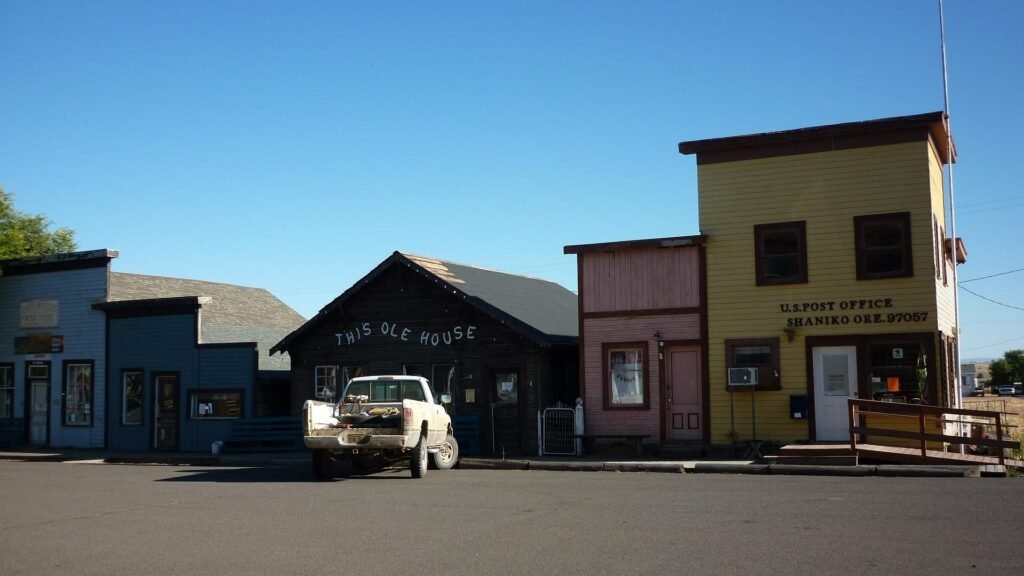
The town of Shaniko was originally established as “Cross Hallow” in 1879, but after the post office closed less than a decade later, it was reopened as Shaniko in 1900.
From then on, it served as a transition post for the Columbia Southern Railway and was the center of “wool and wheat land” hosting Oregon’s largest wool warehouse and becoming the “Wool Capital of the World,” according to Oregon Secretary of State archives.
The town thrived as wool sales reached well into the millions, but in 1911, traffic began to heavily decline when the Oregon-Washington Railroad and Navigation Company linked Portland to Bend through the Deschutes River canyon.
By 1966, the town’s entire line no longer ran, and people began to move on. Although efforts to restore the town have been made over the past fifty years, it’s historical decaying buildings have made it a popular ghost town destination.
Shaniko is located in Wasco County off U.S. Route 97.
Golden
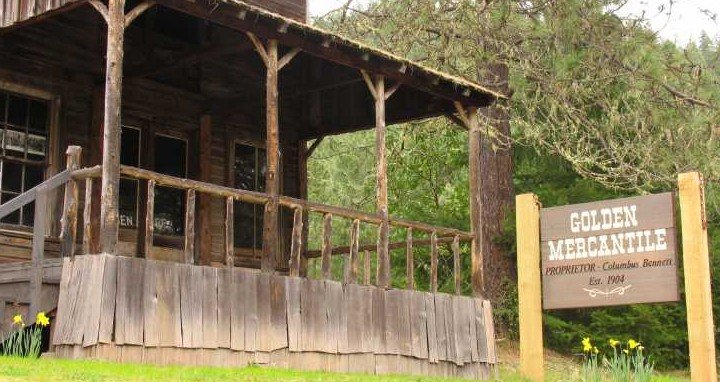
The town of Golden came to be around 1840 after small amounts of gold were discovered lining the beds of the Coyote Creek. Miners would pan the creek for years before advancements in hydraulics allowed for much faster sifting, and by the 1890s, it had produced approximately $1.5 million in gold.
With the advances in technology, the creek was soon mined out and people began to leave Golden. By the 1920s, it was almost completely abandoned. Since then, some of Golden’s classic western churches and buildings have been restored for visitors and used as sets for old western films and TV shows like “Bonanza”.
Golden is located at Coyote Creek in Joseph County.
Buncom
In the 1850s, the small town of Buncom was established by Chinese miners until they were driven away by American settlers who heard of the town’s gold prospects. By the early 1900s, the town had a saloon, general store, and post office, according to Oregon Secretary of State archives.
When gold could no longer be found, Buncom’s residents began to leave, and the town was all but deserted by 1918 when a fire broke out destroying most of its buildings.
The town of Buncom is located west of Ashland and is currently managed by the Buncom Historical Society who hold the annual “Buncom Day”, an event that raises funds to preserve the ghost town.
Sumpter
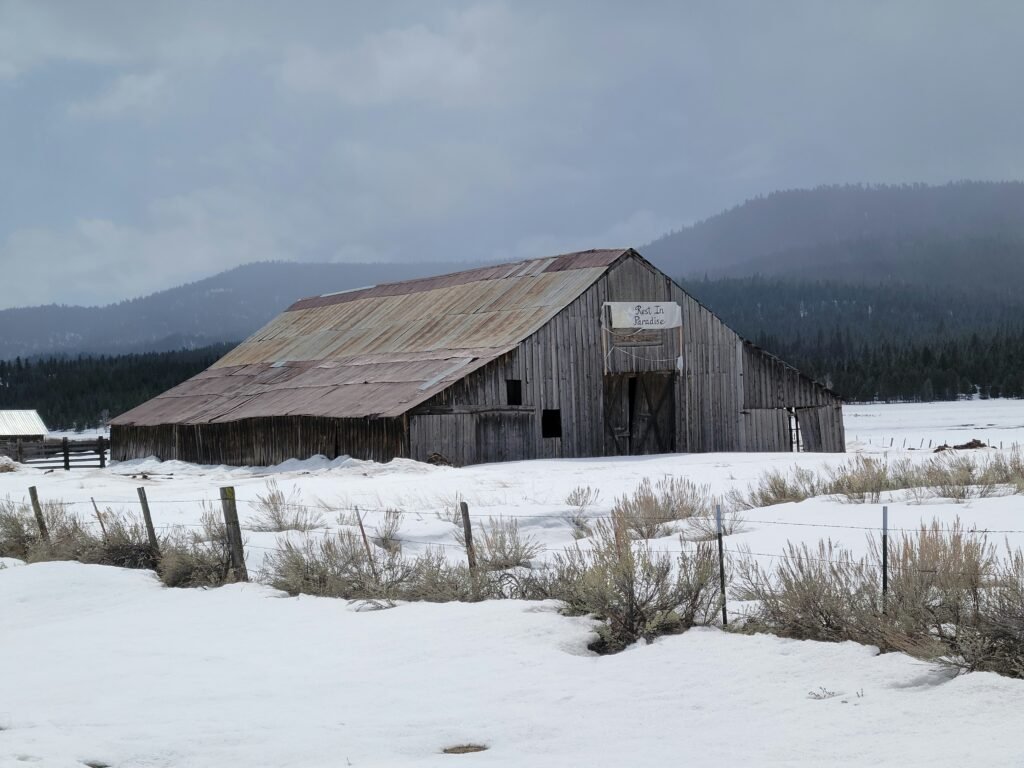
With approximately 2000 residents in its heyday, Sumpter was once known as a “gold mining boomtown” hosting churches, saloons, a brewery, three newspapers, and an opera house, according to Oregon Secretary of State archives. The town thrived from 1898 to the early 1900s, producing nearly $9 million in gold from its 35 mines.
In 1917, tragedy struck when a fire broke out and engulfed the entire town, burning down and destroying nearly 100 buildings. Although some of Sumpter’s residents remained, and mining continued, many moved away for a fresh start. During it’s time, the mining in Sumpter caused an extreme amount of environmental damage making it nearly impossible to settle or farm.
Sumpter is located in Baker County and is now a tourist destination with many of its buildings preserved and rented out as retail shops. One popular destination is the dredge used to mine the creek.
Antelope
The town of Antelope has some mystery surrounding it as no one really knows where it got its name. It was thought to have been settled in the early 1800s, but didn’t have a lot of significance until the 1870s when it could be found along a stagecoach route called the Dalles Military Road that connected The Dalles to the Canyon City gold mines.
It became an official town in 1907 when people began using it as a coach and freight stop on their way to Sherar’s Bridge, which runs over the Deschutes River. Today, it holds the title of “first established United States Postal Service established in Oregon,” according to the town’s website.
However, the need for the town dwindled as the Columbia Southern Railroad was established, and it mostly became a small ranching community with only a few dozen residents and a general store, schoolhouse, post office, and church.
Antelope became somewhat famous when the middle-of-nowhere-town was all but taken over by an influx of approximately 7,000 followers of Indian guru Bhagwan Shree Rajneesh, known as “The Bhagwan”, during the Rajneesh movement in 1981.
The “Rajneeshpuram Commune” purchased and settled on “Muddy Creek Ranch” just outside of Antelope. They renamed the town to Rajneesh and stayed until 1985 when it was disbanded after criminal allegations and convictions, and the deportation of The Bhagwan, according to Oregon Secretary of State archives. The town’s name was then returned to Antelope.
It is now subject of the Netflix documentary “Wild Wild Country.”
Since then, the town has made efforts to rebuild, welcoming guests and offering specialize repurposed A-frame micro cabins that were once used as tiny homes for Rajneesh followers.
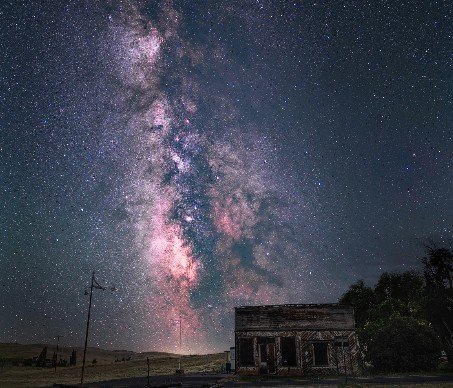
In 2024, Antelope was named a International Dark Sky Community and became the first Certified Dark Sky Lodging in Oregon in 2026.
Antelope is located in Central Oregon in Wasco County.
For dark sky lovers or those who want to see Antelope’s history up close, you rent one of their A-Frame Cabins here or find nearby accommodations here.
Millican
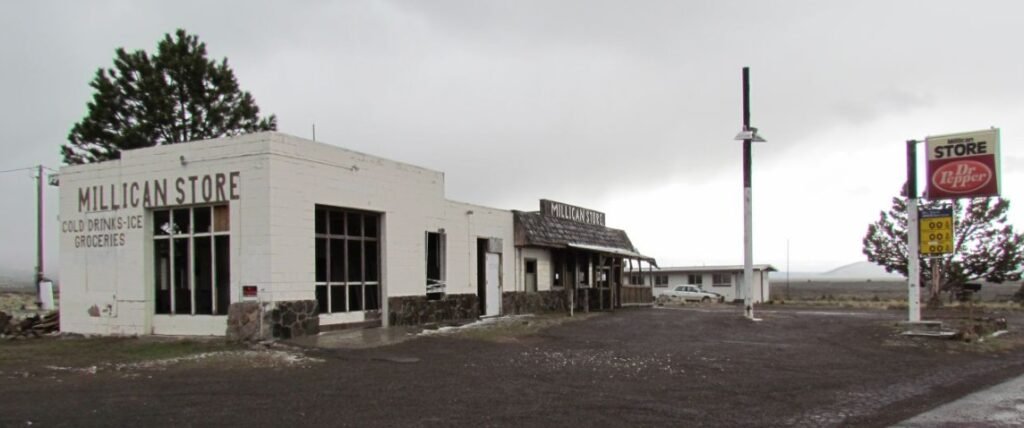
Millican began as a ranch in the 1880s purchased by George Millican who established the town in the time after. In 1913, the Millican post office made the town official. It had less than 100 people, a number that didn’t change much during Millican’s time.
By the 1930s, U.S. highway 20 encouraged what little residents Millican had to move on to bigger and better things, and the small town’s population dwindled to just one resident, Billy Rahn, who retired in 1942 after the Post Office closed.
Since then, the town has become known as a somewhat “unlucky” place after attempts to restore it have failed beginning with a businessman named Bill Mellin, who’s entire family was killed by either a car accident, plane crash, or heart attack, purchased Millican’s remaining general store, gas station, and post office, only to be murdered by his employee 40 years later in 1988, according to the Oregon Secretary of State.
Millican is considered an unincorporated community located in Deschutes County 25 miles outside of Bend.
Written by Ginnie Sandoval. Sandoval is a news and travel writer for Pacific Northwest Crossing. She covers travel tips, news, destinations, places to eat, and hidden gems across the Pacific Northwest. She can be reached at pnwcrossing@ramsanmedia.com.