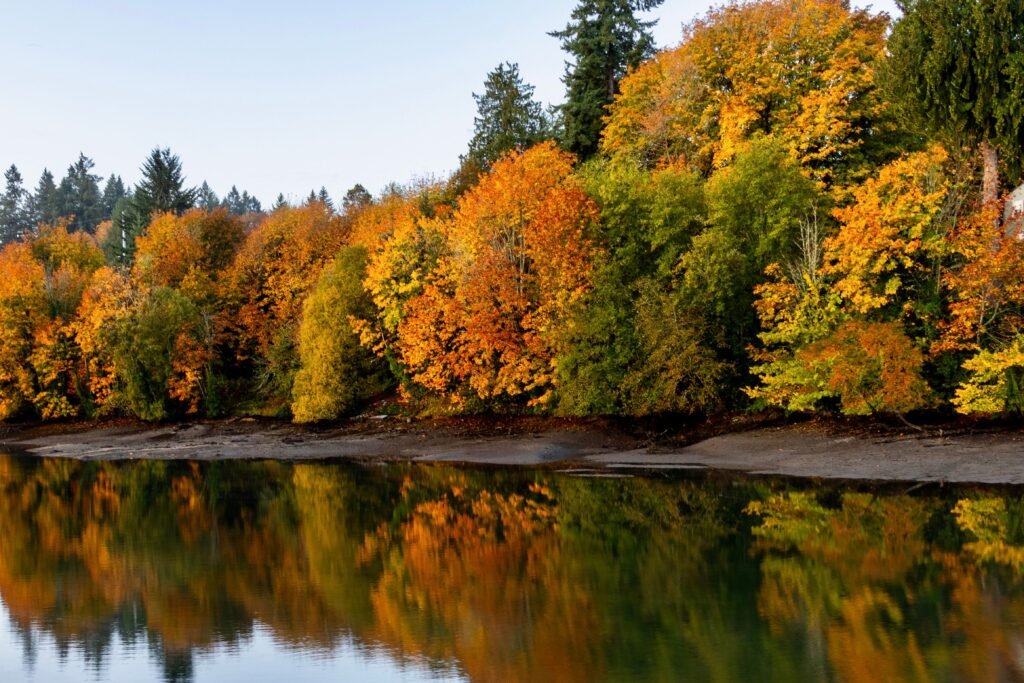
The 10 Essentials Every Oregon and Washington Hiker Should Pack Before Hitting the Trail
The Pacific Northwest is home to some of the country’s most scenic hiking trails, from coastal forests and…
The Pacific Northwest is home to some of the country’s most scenic hiking trails, from coastal forests and waterfalls to volcanic peaks and alpine lakes.
Those landscapes are also known for rapidly changing weather, remote terrain, and limited cell service. A hike in the Pacific Northwest can begin under blue skies and end in rain, fog, or chilly mountain temperatures.
Whether you’re visiting Oregon or Washington for the first time or heading to a favorite local trail, being prepared is one of the easiest ways to make your hike safer and more enjoyable.
That’s where the 10 Essentials come in.
The 10 Essentials are a simple checklist of gear that hikers have relied on for decades. You may never need every item, but if your hike takes longer than expected, you lose the trail, or the weather changes, you’ll be glad you packed them.
Here’s what every hiker should pack:
1. Navigation
Many hiking areas throughout Oregon and Washington have little or no cell service.
Cell phones can be a great navigation tool, however it’s important to not solely rely on your phone as batteries can die and electronics can fail.
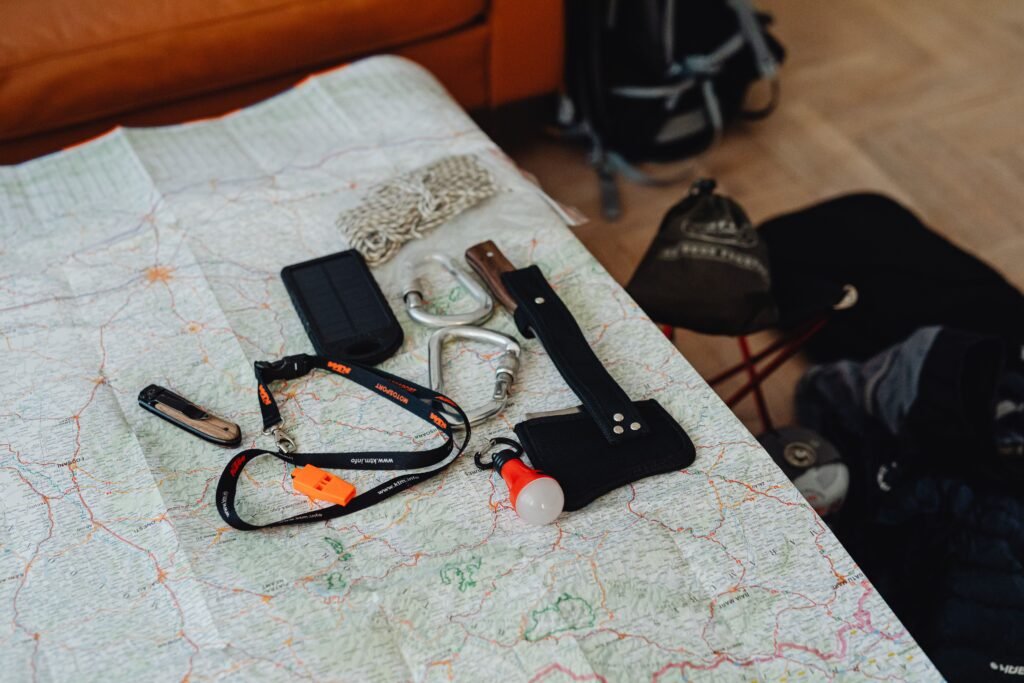
Download offline maps before leaving home, and carry a paper map and compass as a backup.
Navigation essentials include:
- Trail map
- Compass
- GPS device or smartphone with offline maps
2. Sun Protection
The Pacific Northwest isn’t always cloudy.
Even on cooler days, UV exposure can be surprisingly strong, especially at higher elevations or around snowfields and lakes. A little sunscreen, a pair of sunglasses, and a hat can go a long way on the trail.
Pack:
- Sunscreen
- Sunglasses
- Sun hat or protective clothing
3. Extra Layers
Weather changes fast here.
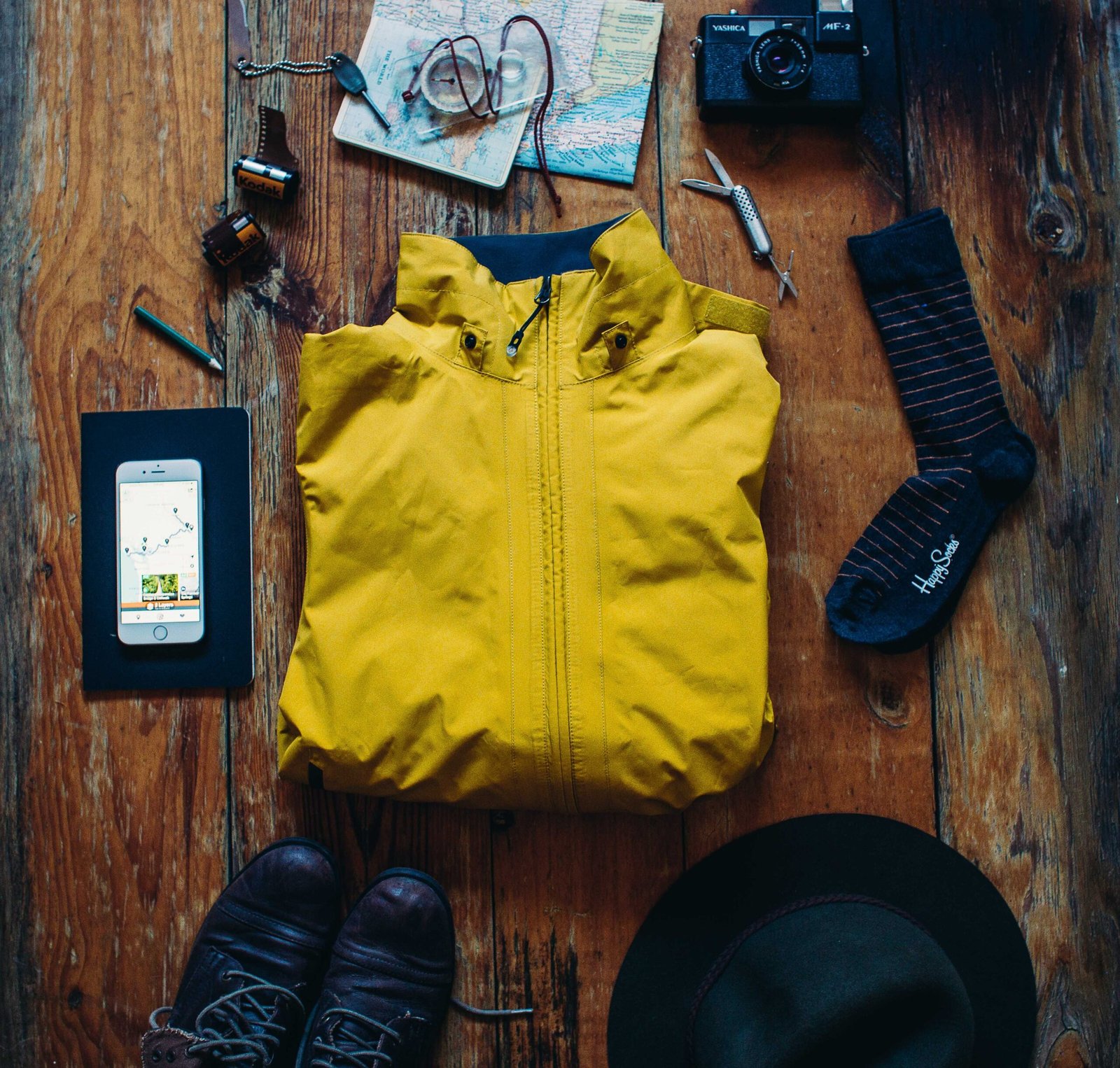
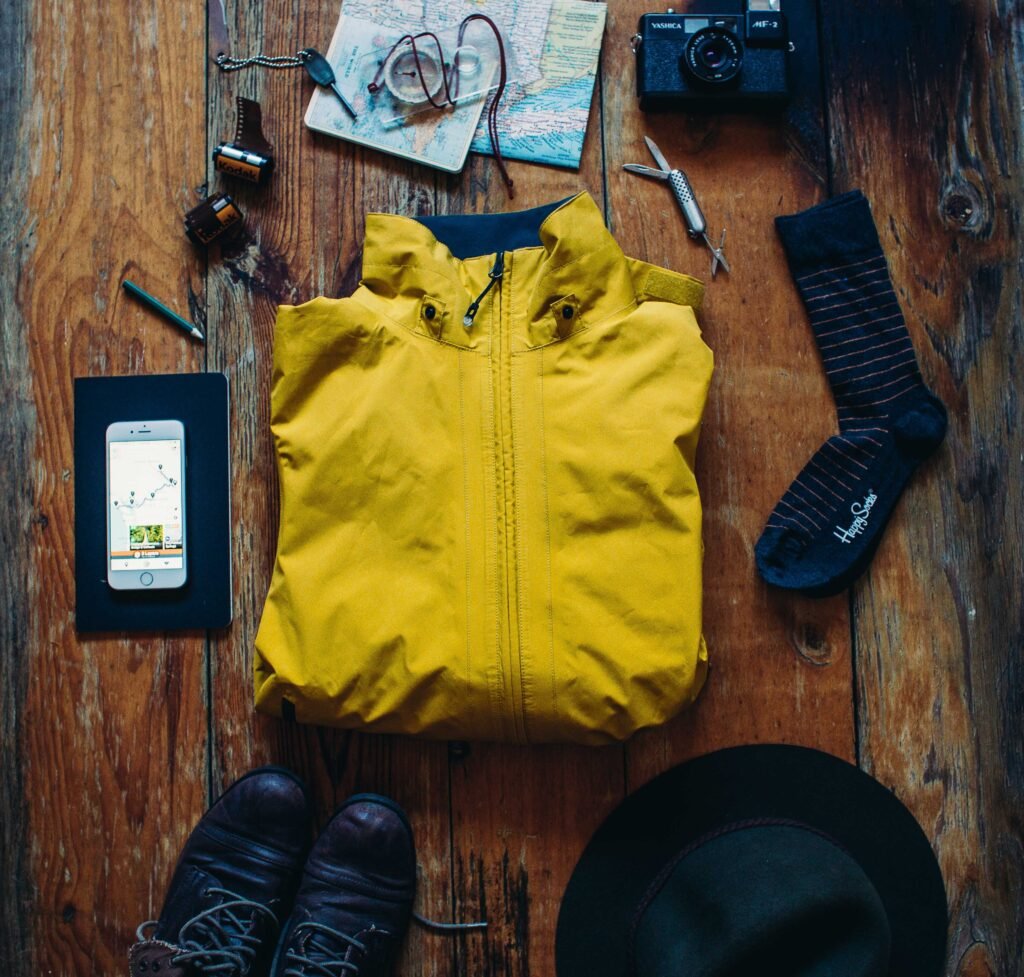
A warm morning at the trailhead can turn into a cold afternoon on the ridge. A lightweight rain jacket and an extra insulating layer are worth carrying on almost every hike. If you’re heading into the mountains, consider packing a warm hat and gloves as well.
Bring:
- Waterproof rain jacket
- Warm insulating layer
- Extra socks
- Hat and lightweight gloves when hiking at higher elevations
4. Light
Every hike should include a headlamp.
Even if you expect to be back well before sunset, unexpected delays happen. A headlamp weighs very little and makes it much easier to navigate safely if you’re finishing your hike in fading light.
Carry:
- Headlamp
- Spare batteries or rechargeable backup
5. First Aid
A basic first aid kit doesn’t need to be complicated.
Bandages, blister care, antiseptic wipes, pain relievers, and any personal medications are usually enough for most day hikes. Treating a small problem early can help prevent it from ending your trip.
Include:
- Adhesive bandages
- Blister treatment
- Gauze and tape
- Antiseptic wipes
- Personal medications
6. Fire
A lighter and waterproof matches take up very little space but can be invaluable during an emergency.
If you need to spend an unexpected night outdoors, they can provide warmth and help with signaling when conditions and local fire restrictions allow. During wildfire season, always follow current fire regulations before lighting any flame.
Carry:
- Waterproof matches
- Lighter
- Fire starter
7. Safety tools
Safety tools can make all the difference if a hike doesn’t go as planned. Whether you become injured, lose the trail, or need to get someone’s attention, carrying a few lightweight emergency items can help you handle unexpected situations until you can safely return or rescuers arrive.
One of the most important items is a whistle.
Three short blasts is the recognized international distress signal and ca n be heard much farther than shouting, without exhausting you. Since voices don’t carry well through forests, canyons, or windy conditions, a whistle is one of the easiest ways to alert nearby hikers or search and rescue teams if you need help.
Other tools can help repair damaged gear, cut cordage, or solve minor problems that could otherwise end your hike early.
Consider packing:
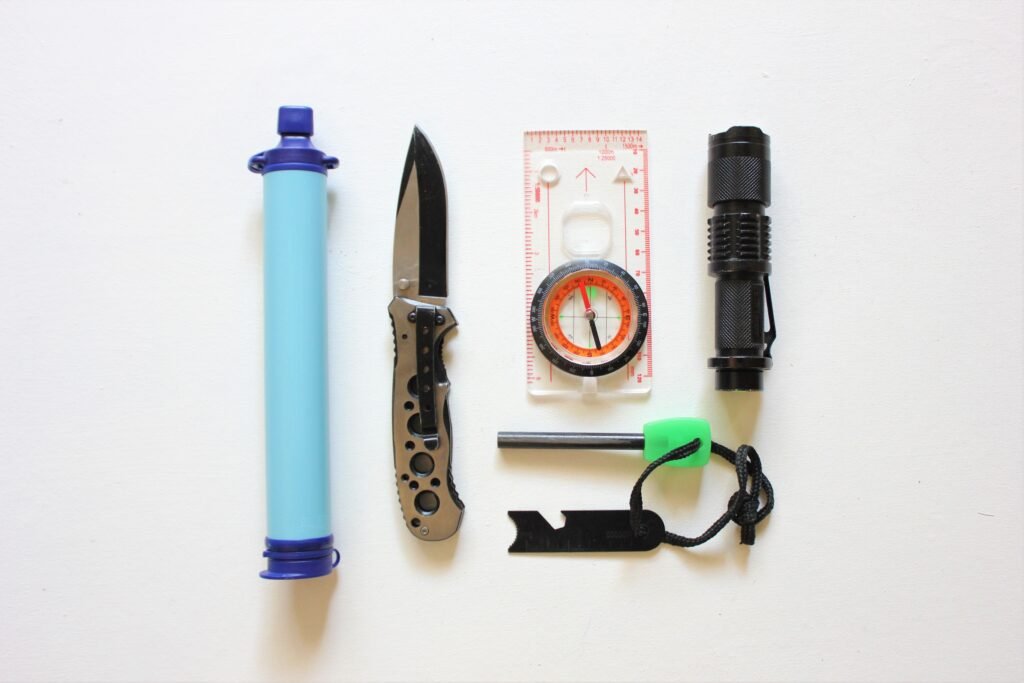
- Whistle
- Multi-tool or knife
- Repair tape or duct tape
- Zip ties
- A few feet of utility cord
8. Extra Food
Pack more snacks than you think you’ll need.
Unexpected delays, slower hiking partners, wildlife encounters, or simply spending more time enjoying the scenery can all extend your day. High-energy snacks like trail mix, jerky, nuts, and energy bars are easy to carry and don’t take up much room.
Energy-rich foods include:
- Trail mix
- Energy bars
- Jerky
- Dried fruit
9. Water
Staying hydrated is one of the simplest ways to avoid problems on the trail.
Carry enough water for your planned hike, and if you expect to refill from streams or alpine lakes, bring a filter or another method of treating water before drinking it.
Carry either:
- Water filter
- Water purifier
- Purification tablets
10. Emergency Shelter
Most day hikers never expect to spend the night outside.
But injuries, changing weather, or getting off route can quickly change those plans. An emergency bivy, lightweight tarp, or space blanket adds very little weight and can make a significant difference if you’re forced to wait for help.
Options include:
- Emergency bivy
- Space blanket
- Lightweight emergency tarp
Before You Hit the Trail
The 10 Essentials are only part of a safe day outdoors.
Before heading out, check the latest weather forecast, look for recent trail reports, and let someone know where you’re going and when you expect to be back.
A fully charged phone, an external battery pack, and downloaded offline maps are also smart additions for hikes across the Pacific Northwest.