Physical Address
304 North Cardinal St.
Dorchester Center, MA 02124
Physical Address
304 North Cardinal St.
Dorchester Center, MA 02124

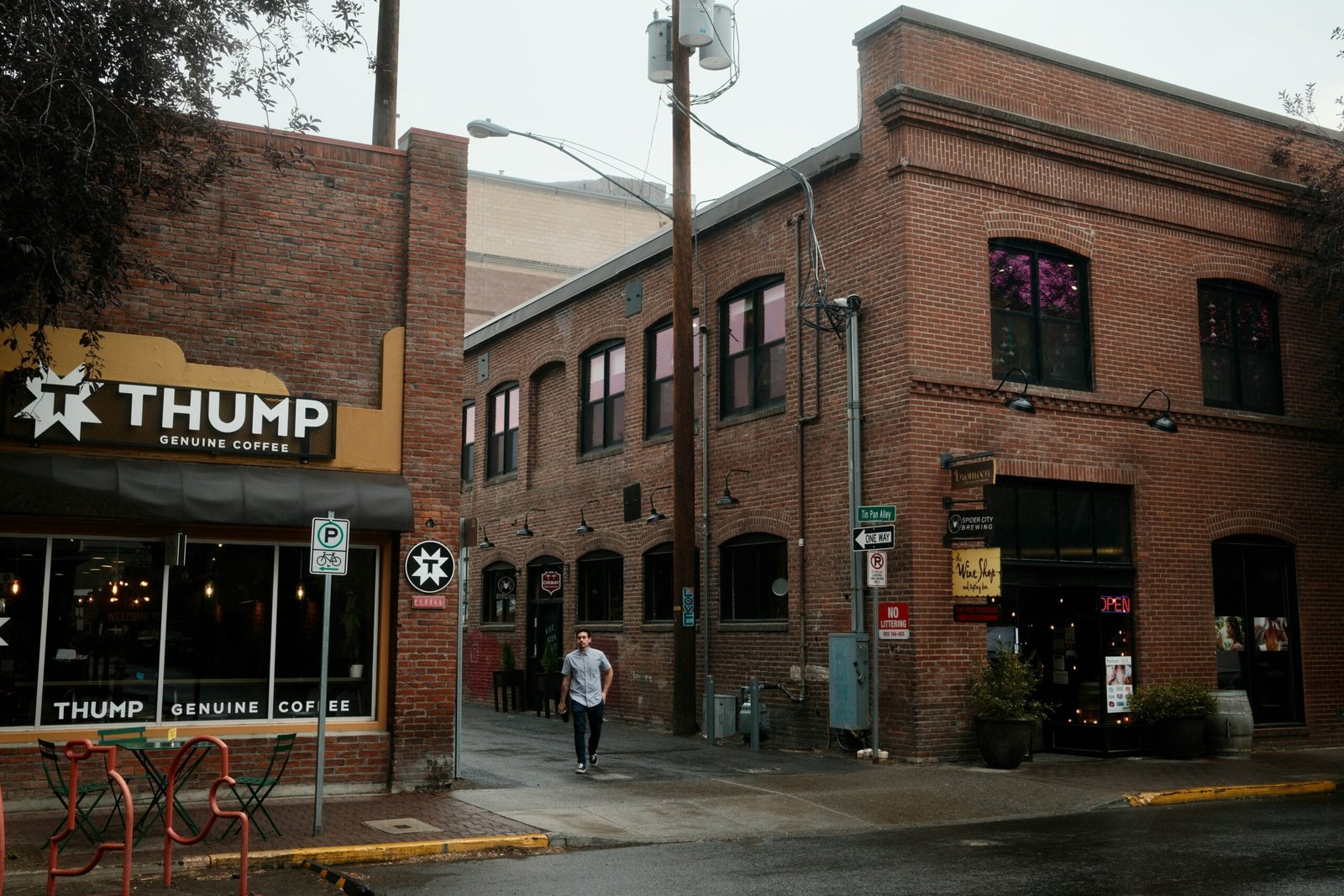
Two Central Oregon cities were recently ranked among the best small cities to start a business in 2025.
Personal finance site WalletHub released a report ranking the Best & Worst Small Cities to Start a Business in 2025 by comparing more than 1,300 cities across 18 different metrics.
Those metrics included business growth, number of small businesses, investor access, and the overall business environment.
Bend ranked 7th on the list, and Redmond ranked 8th.
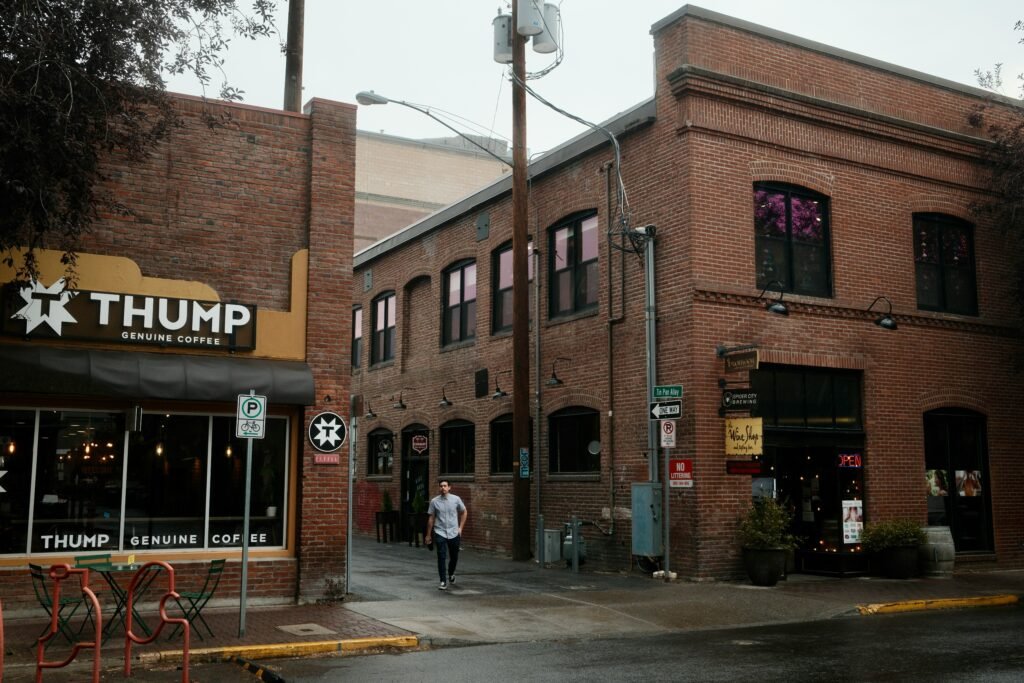
Bend received a total score of 58.94 out of 100.
The city ranked first in the country for business environment, driven by high small business growth, strong annual revenue averages, and an active culture of entrepreneurship.
It averaged 374.21 startups per capita with a 38.54 percent average growth rate in small businesses.
Several well-known companies started in Bend and grew into nationally recognized brands.
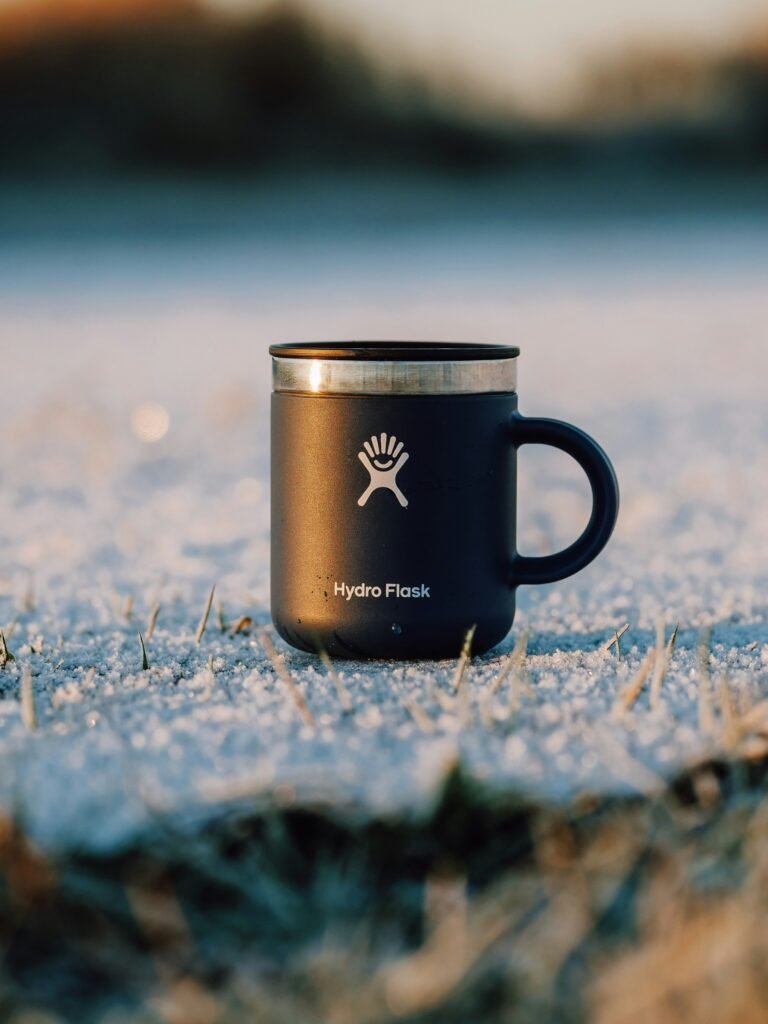
Hydro Flask launched in 2009 when founders Travis Rosbach and Cindy Morse created an insulated water bottle that kept drinks colder and hotter for longer. They initially sold bottles out of their truck at local events and farmers markets. The company’s popularity grew quickly, turning it into a multi-million-dollar brand. In 2016, Hydro Flask was purchased by Helen of Troy Limited for $210 million.
Bend Soap Company started in 2011 when Dwight and Marilee Johnson created goat milk soap to help their son’s eczema. Their early success led to a full line of natural skincare products made with simple ingredients. Many of their products continue to be sold locally, and the company ships nationwide through its website.
Humm Kombucha also began in Bend in 2009. Friends Michelle Mitchell and Jamie Danek started brewing kombucha in their kitchen and selling it at farmers markets. The drink’s smooth flavor helped it build a strong following. Humm later expanded into major grocery chains and is now one of the leading kombucha brands in the United States.
Redmond scored 58.93 out of 100 and ranked third nationally for business environment.
The city saw similar averages to Bend in startup rates and small business growth. Redmond averaged a 38.54 percent growth rate in small businesses and 374.21 startups per capita. Average annual revenue per business reached $2,992,130.
Redmond scored stronger than Bend in business costs, placing 820th, and ranked well in access to resources at 195th. WalletHub noted stronger job growth, higher education assets and workforce availability in the Redmond data.
Hayden Homes was founded in Redmond in 1989. The family-owned company began by building homes locally and eventually expanded across Oregon, Washington and Idaho. In 2021, Bend’s Les Schwab Amphitheater was renamed the Hayden Homes Amphitheater when the company became the venue’s title sponsor.
Cascade Lakes Brewing Company opened in 1994 as a small craft brewery in Redmond. It has since grown into one of Central Oregon’s most recognizable brewing brands, with brewpubs in both Bend and Redmond. The company also recently transitioned into a nonprofit business model with a goal of giving more back to the community.
Central Oregon Trucking Company launched in Redmond in 1992 as a small flatbed trucking operation. The business expanded significantly over time, partnered with Daseke, Inc., and now operates as a nationwide enterprise. Despite its growth, the company continues to keep its headquarters in Redmond.
WalletHub compared cities with populations between 25,000 and 100,000. Data came from sources that included the U.S. Census Bureau, Bureau of Labor Statistics, the Federal Deposit Insurance Corporation, Yelp, Indeed and the Tax Foundation. Each city received a weighted score based on business environment, resources and business costs.