Physical Address
304 North Cardinal St.
Dorchester Center, MA 02124
Physical Address
304 North Cardinal St.
Dorchester Center, MA 02124

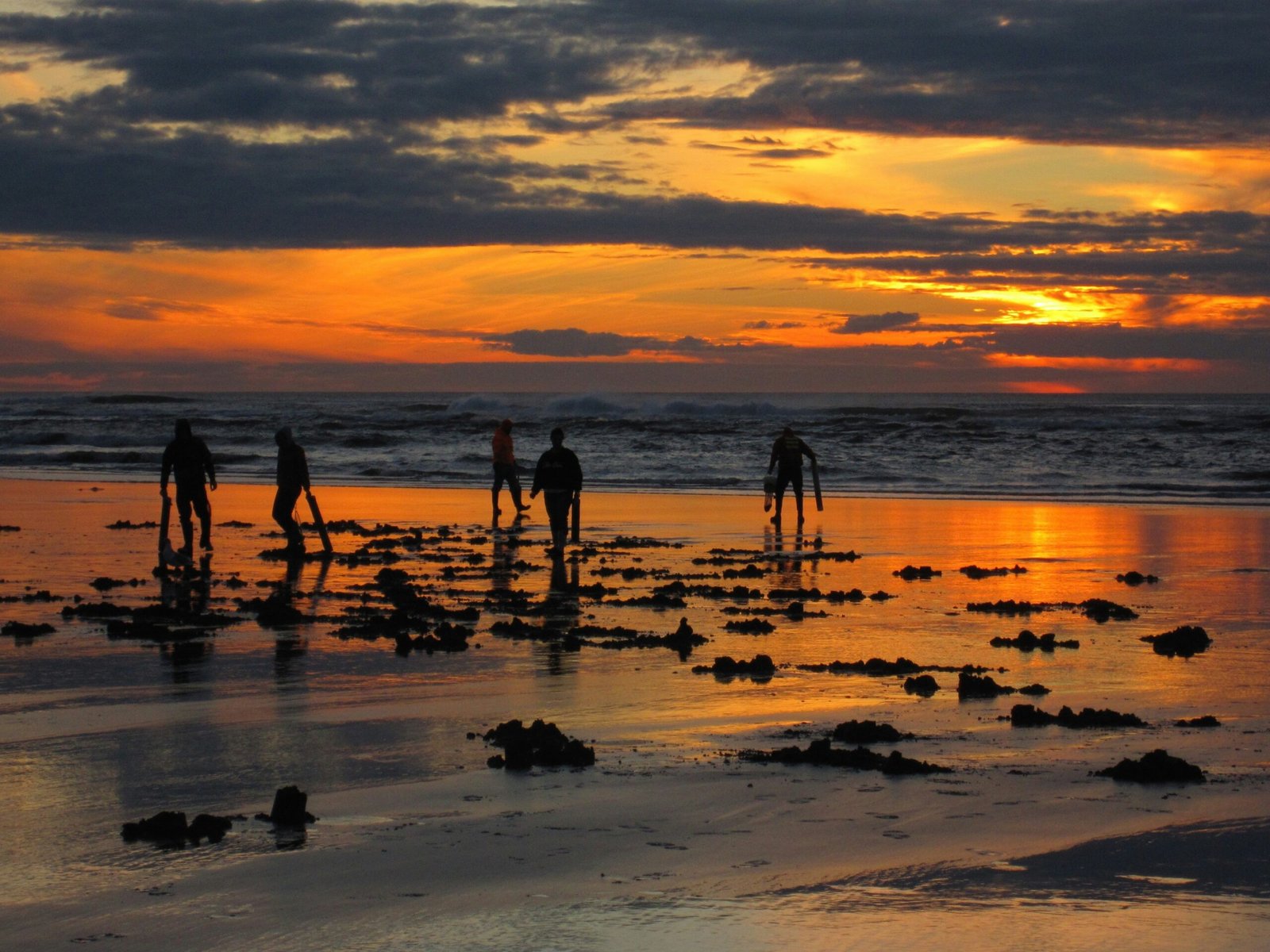
The Washington Department of Fish and Wildlife approved razor clam digging along several Washington coast beaches beginning Thursday, Feb. 26.
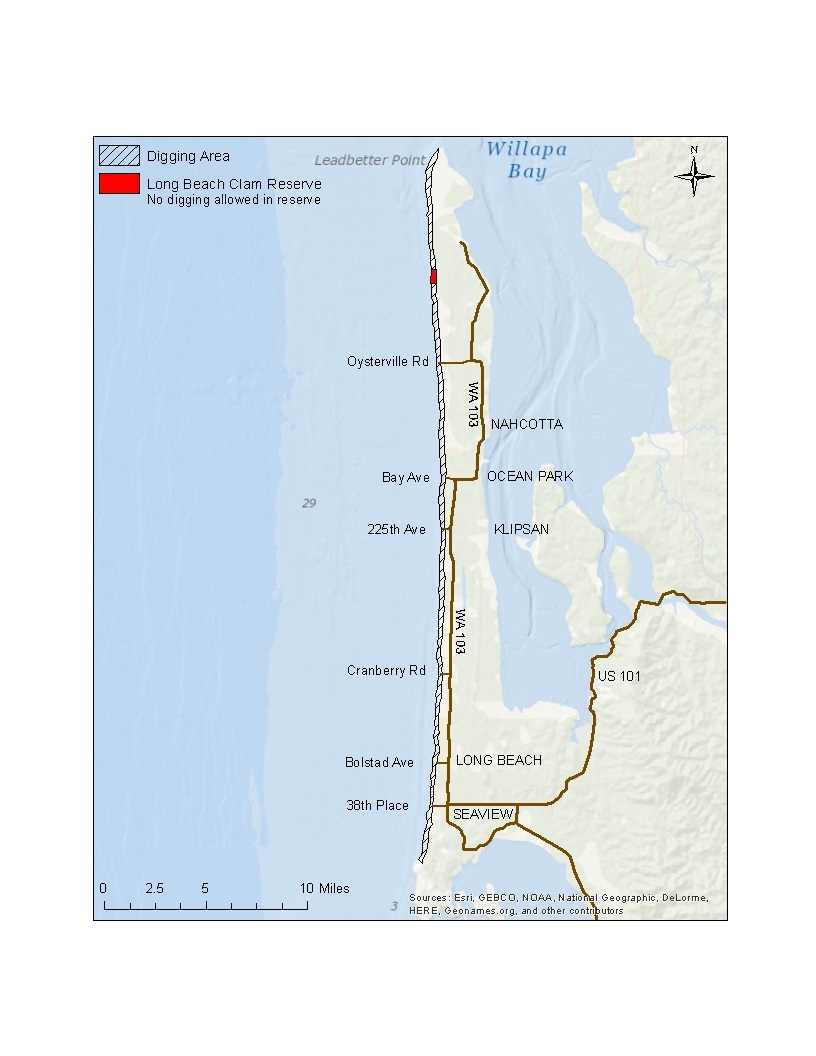
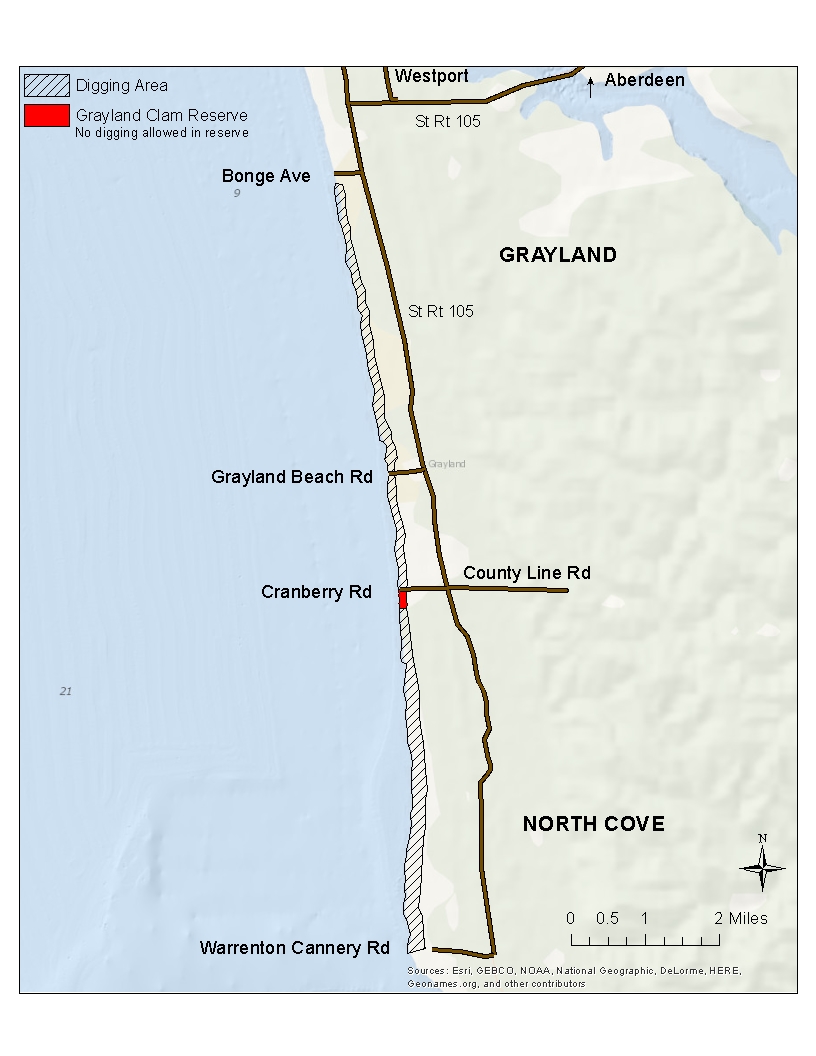
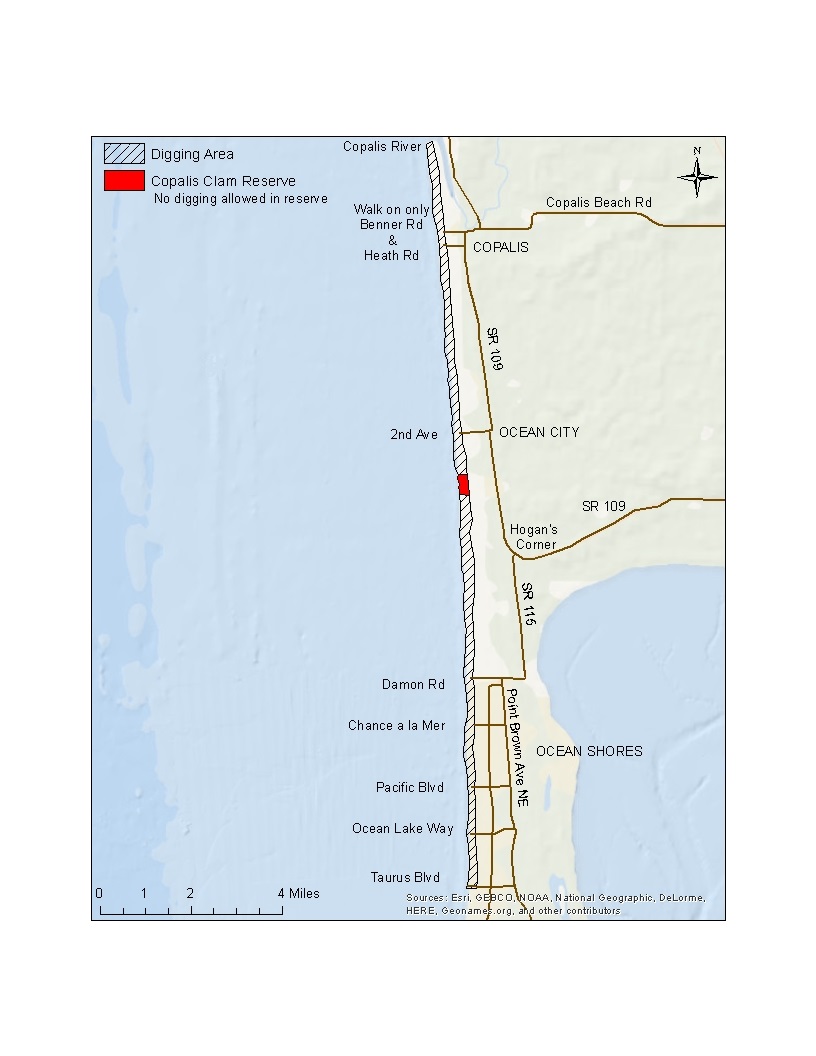
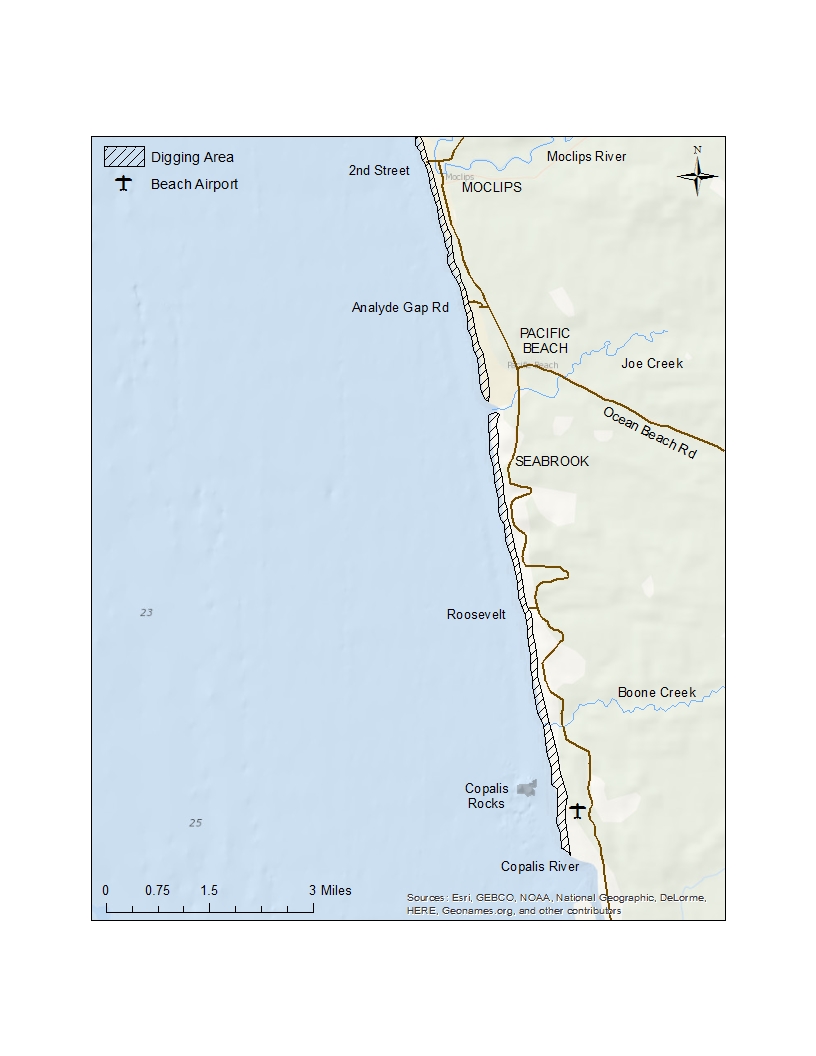
Shellfish managers confirmed that razor clam digs will be allowed at Long Beach, Twin Harbors, Copalis, and Mocrocks beaches from Feb. 26 through March 4.
Copalis and Mocrocks beaches are not open every day, so diggers are encouraged to check schedules before making travel plans.
“Hopefully this next tide series of late February and early March dates will have less winter weather and feel more like spring digging,” said Bryce Blumenthal, a WDFW coastal shellfish biologist. “These upcoming harvest days will provide ample daylight digging opportunity with low tides occurring before or near sunset.”
Yep! Before each digging series begins, the Washington State Department of Health tests marine toxin levels to ensure razor clams are safe to harvest. Beaches only open once domoic acid levels fall below state safety guidelines.
Domoic acid is a naturally occurring toxin produced by certain marine algae and can be harmful if consumed in large amounts. The final approvals for openings typically happen within a week of scheduled digs, sometimes just a few days beforehand.
Officials note that recent marine biotoxin closures affecting other shellfish species do not apply to razor clams or crabs.
All digs take place during afternoon and evening low tides (noon to midnight only):
Diggers can typically find the most success by digging one to two hours before the listed low tide.
Additional tentative digs are scheduled throughout March and early April, including dates aligned with the Ocean Shores Razor Clam Festival beginning March 20, when digging shifts to morning low tides.
Kalaloch Beach on the northern Olympic Peninsula will remain closed due to low clam populations.
The daily limit is 15 clams per person on all open beaches.
Each digger must keep the first 15 clams they harvest, regardless of size or condition.
Clams must be stored in separate containers for each person.
Anyone age 16 or older must carry a valid 2025–2026 shellfish license.
State officials recommend purchasing licenses before arriving in coastal communities to avoid delays.
Updated toxin levels, licensing information, and full schedules are available through the Washington Department of Fish and Wildlife website.