
Volunteers carry protected frogs across an Oregon highway
For the past 13 years, each winter in northwest Portland sees dozens of volunteers gather along a high-traffic…
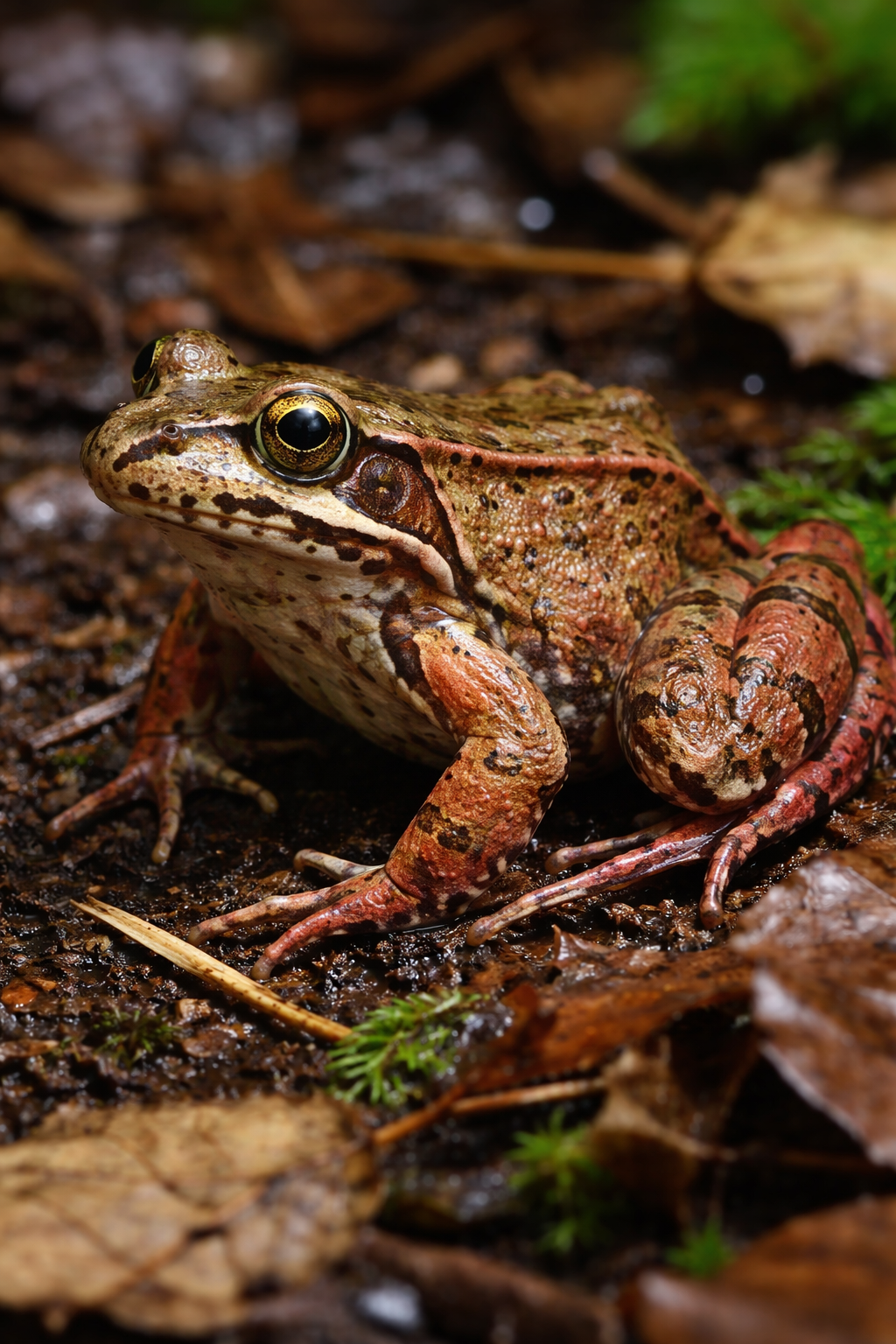
For the past 13 years, each winter in northwest Portland sees dozens of volunteers gather along a high-traffic highway with buckets, headlamps and reflective vests labeled “FROGS.”
Their mission is simple: help northern red-legged frogs safely cross busy Highway 30.
Every year during the winter months, these volunteers return to the bluff overlooking Highway 30 to guide northern red-legged frogs safely across one of the region’s busiest roadways.
Why frogs are crossing a Portland highway?
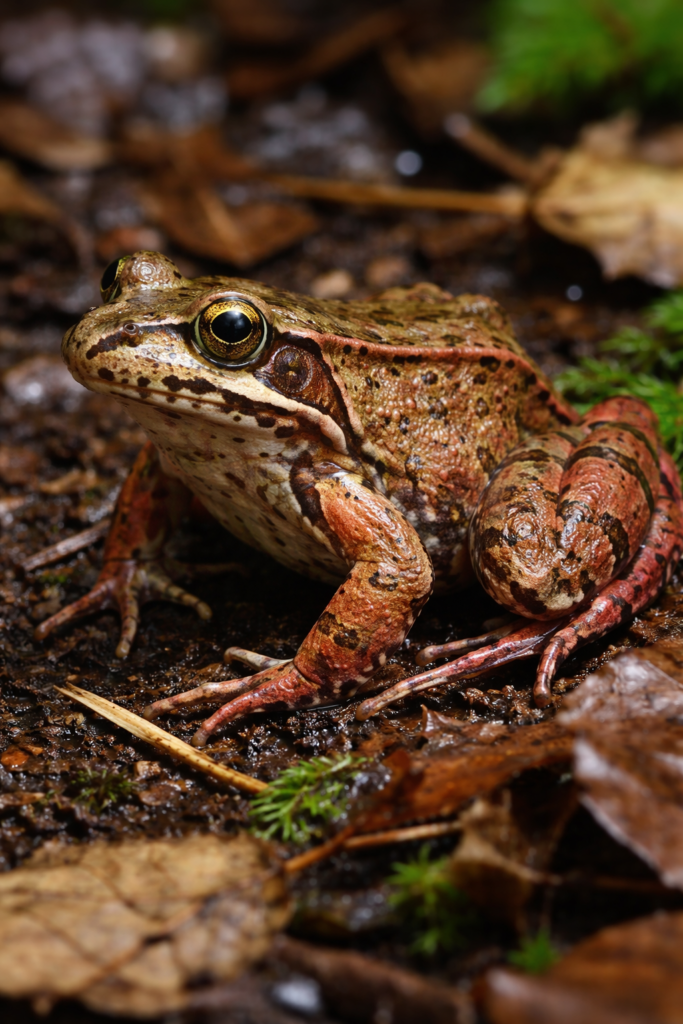
Between December and March, northern red-legged frogs leave their forested upland habitat and travel up to three miles to reach seasonal wetlands along the Willamette River, where they breed.
The palm-sized amphibians, protected under Oregon law as a sensitive species, migrate after dark. Their journey requires crossing four lanes of fast-moving traffic twice each season, once to breed and again after laying eggs.
Without help, many never make it.
How the Harborton Frog Shuttle began
The effort started in 2013 when Harborton resident Rob Lee noticed dozens of frogs attempting to cross the road during a carpool trip to an environmental meeting.
The next morning, he reportedly counted more than 60 dead frogs nearby and feared far more had been killed on Highway 30 below.
Lee contacted the Oregon Department of Fish and Wildlife, and the following winter he and a state biologist began physically carrying frogs across the roadway.
Soon, neighbors and volunteers joined what is now known as the Harborton Frog Shuttle.
What began as a small rescue effort has grown into a winter tradition that regularly draws students, retirees, scientists, and wildlife enthusiasts.
In 2024, it was estimated that around 100 volunteers helped shuttle between 1,700-2000 frogs downhill and uphill, to and from their wetlands breeding grounds.
A hopeful but fragile recovery
It is difficult to measure exactly how much the effort helps because red-legged frogs spend most of their lives hidden in dense vegetation.
While egg counts in nearby wetlands have seen improvement since 2019, those numbers could have been aided by habitat restoration work one by Portland General Electric, which owns and maintains the wetlands as part of environmental mitigation efforts.
However, small gains matter, and according to wildlife experts, helping frogs survive long enough to reproduce strengthens future populations.
A winter ritual powered by volunteers
On migration nights, volunteers scan roadside vegetation with headlamps, gently collecting frogs and placing them in buckets lined with wet leaves before transporting them safely across the danger zone.
Some frogs escape capture. Others appear to have learned alternate routes over time. Still, volunteers continue showing up through dark winter evenings, motivated by the chance to help wildlife survive in an urban landscape.
Participants say the work brings unexpected joy during Oregon’s grayest season, turning cold nights into moments of connection with nature.
A permanent solution may be coming
Conservation groups and state agencies are now working toward a long-term fix that would see a wildlife crossing designed specifically for amphibians.
The proposed project would install a box culvert beneath Highway 30 and barriers to guide frogs toward the tunnel.
The Oregon Wildlife Foundation is currently undergoing efforts to fund the design and engineering of the project, but funding for construction remains uncertain as transportation agencies face budget challenges.
Advocates continue to push for lawmakers to prioritize the project. The cost of construction is estimated to be nearly $4 million, according to OPB.
Until then, the work continues
If funding comes together, the Harborton crossing could be built as early as 2028.
Until then, volunteers will keep returning on warm, rainy nights, buckets in hand, helping frogs complete a journey they have made for generations.
For many involved, the mission is to simply protect a species that still has a chance to survive, one careful crossing at a time.
Written by Ginnie Sandoval. Sandoval is a news and travel writer for Pacific Northwest Crossing. She covers travel tips, news, destinations, places to eat, and hidden gems across the Pacific Northwest. She can be reached at pnwcrossing@ramsanmedia.com.


