Wildfires are raging across Oregon and Washington. Here’s what to know about the Summer 2026 fires
Oregon and Washington are experiencing one of the most destructive wildfire seasons in recent history, with millions of…
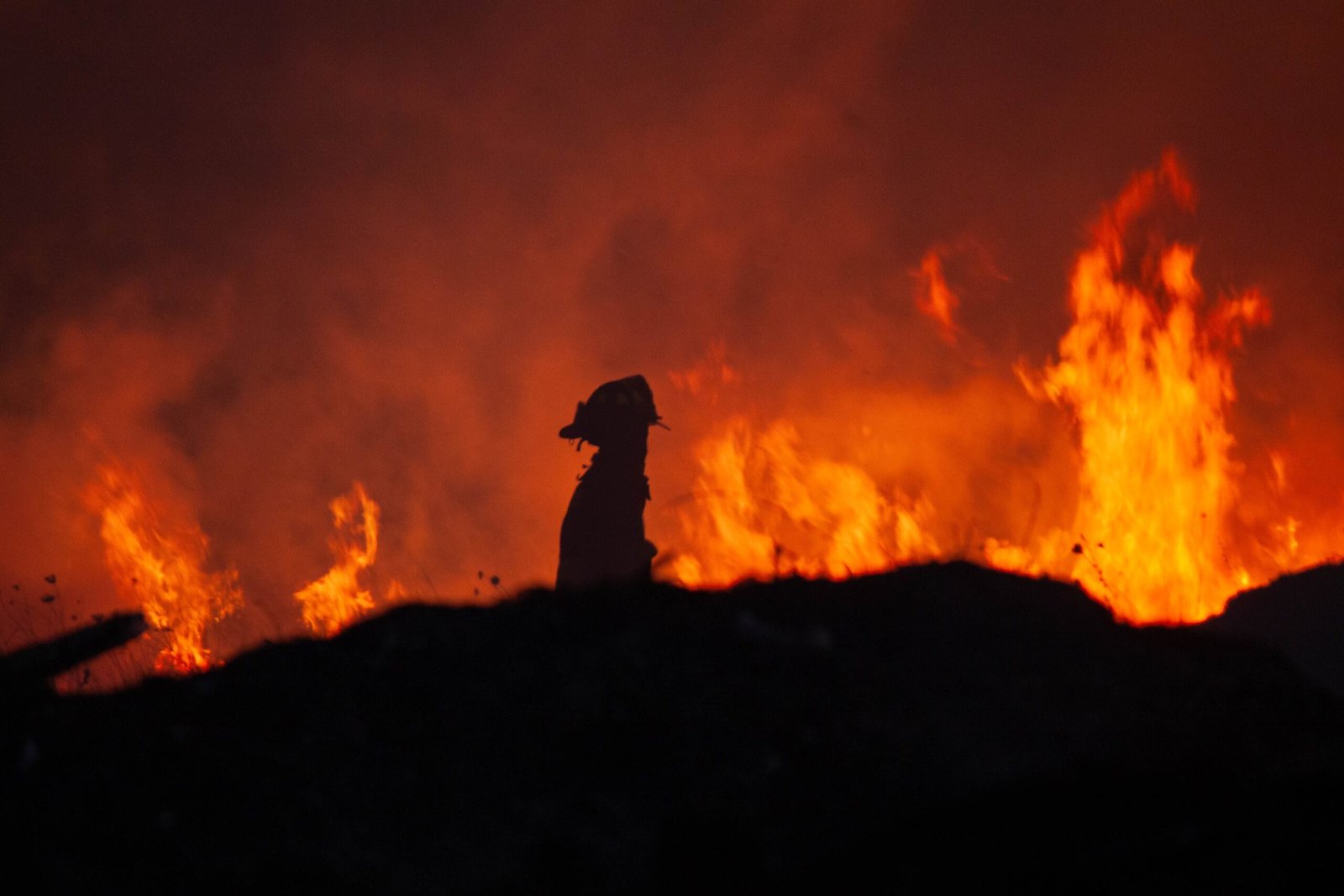
Oregon and Washington are experiencing one of the most destructive wildfire seasons in recent history, with millions of acres burned, thousands of people forced from their homes, and firefighters battling dozens of large blazes across both states.
The fires have been fueled by prolonged drought, extreme heat, dry vegetation and periods of powerful winds that have allowed flames to spread rapidly across forests, rangelands and rural communities.
Officials say fire danger will likely remain high well into the fall, making the weeks ahead critical for firefighters and residents alike.
In Oregon, the state has broken its annual wildfire record just three days into August.
In Washington, fast-moving fires near Spokane have destroyed hundreds of structures and forced tens of thousands of evacuations.
Here’s how the fires are impacting the Pacific Northwest.
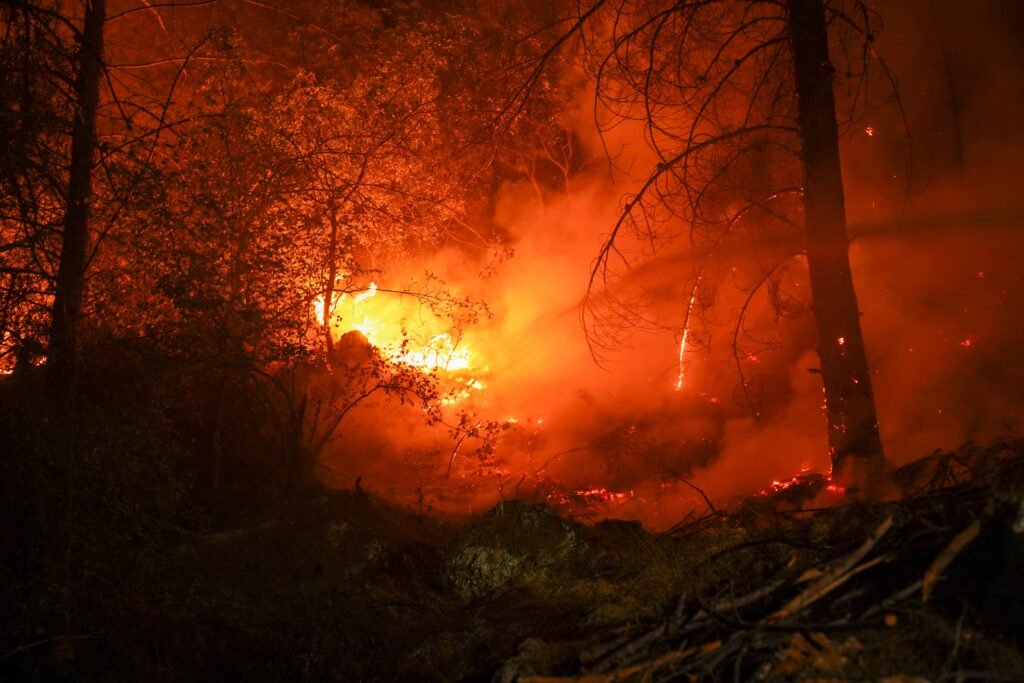
Oregon sets a new wildfire record
Oregon has already recorded its largest wildfire season on record, surpassing the previous mark set in 2024 with more than 2 million acres burned just days into August, according to reporting by The Oregonian and data from the Northwest Interagency Coordination Center.
With roughly two months remaining in the state’s typical fire season, that number is expected to continue climbing.
Much of the recent growth came after a weekend of dangerous fire weather that intensified existing fires and sparked new lightning-caused blazes across eastern, central and southern Oregon.
Several communities remain under evacuation orders as firefighters continue working to contain large incidents.
According to KGW, dozens of significant fires remain active across Oregon, including several that have each burned well over 100,000 acres.
Largest fires continue burning across Oregon
Some of the state’s biggest active incidents include:
- Rowe Creek Complex in Wheeler, Wasco and Crook counties, now exceeding 300,000 acres.
- Big Grass Fire in Malheur County, which has grown beyond 300,000 acres.
- Coleman Creek Fire near Juntura in Malheur and Harney counties, now above 200,000 acres.
- Hay Creek Complex spanning Gilliam, Sherman and Wasco counties, which has burned roughly 200,000 acres and is nearing full containment.
Large fires also continue burning near Warm Springs, Prineville, Pendleton and the John Day region, with evacuation orders still affecting several communities.
Many of the largest fires were ignited by lightning storms that moved across Oregon during the second half of July, although investigators continue determining the causes of several other fires.
Spokane-area fires devastate eastern Washington
Washington State is also facing an extraordinary wildfire emergency centered around Spokane County.
Reporting from The New York Times and NPR describes the fires as one of the largest natural disasters in Spokane County history.
Hundreds of homes and other buildings have been destroyed, and approximately 65,000 people have evacuated as firefighters continue battling several large fires surrounding the city.
The Old Trails Fire, Autumn Lane Fire and Fairview Fire remain among the most serious threats.
Authorities say changing winds and extremely dry conditions have complicated firefighting efforts, even as slightly cooler temperatures have provided some relief.
Gov. Bob Ferguson declared a statewide emergency on Aug. 1, citing drought conditions, unusually high temperatures and dangerous winds.
Thousands of firefighters, including crews from other states and members of the Washington National Guard, have been deployed across Washington as officials seek additional federal assistance.
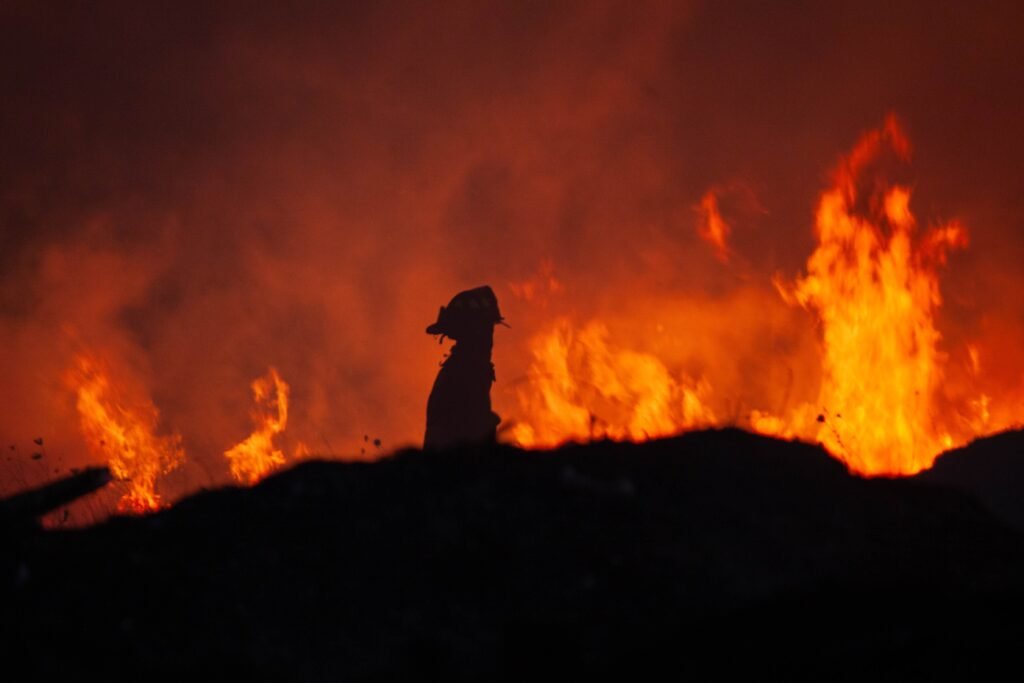
Why this wildfire season has become so severe
Several factors have combined to create unusually dangerous fire conditions across the Pacific Northwest.
According to The Oregonian, fire officials say decades of aggressive wildfire suppression have allowed forests to accumulate large amounts of dry vegetation that now serves as fuel during fire season.
Combined with years of below-average snowpack, ongoing drought and increasingly dry summers east of the Cascades, fires have been able to grow larger and spread more quickly.
Human activity also continues to play a major role. An Oregon Department of Forestry analysis cited by The Oregonian found that more than 60% of Oregon wildfires between 2013 and 2022 were started by people, including debris burning, equipment use, discarded cigarettes and recreational activities.
Lightning remains the leading natural cause of wildfire ignition.
Fire danger remains high
Officials in both Oregon and Washington warn that wildfire season is far from over.
Historically, significant fires continue burning through September and often into October. Additional lightning, hot weather and wind events could quickly increase fire activity in areas that have already seen extensive burning this summer.
Residents are urged to follow local evacuation orders, observe burn bans, avoid activities that could create sparks and stay informed through county emergency management agencies and state wildfire information systems.
For travelers, wildfire conditions can change rapidly. Road closures, poor air quality, trail closures and campground restrictions remain in effect across parts of Oregon and Washington, particularly east of the Cascade Range.
Anyone planning outdoor recreation should check current fire conditions before traveling.
Sources: Reporting for this story is based on information from The Oregonian, The New York Times, NPR and KGW, along with updates from the Northwest Interagency Coordination Center and state fire officials.