
Two iconic Pacific Northwest hiking destinations rank among America’s most dangerous
A new analysis ranked two Pacific Northwest hiking destinations among the nation's most dangerous, citing injuries, fatalities, and…
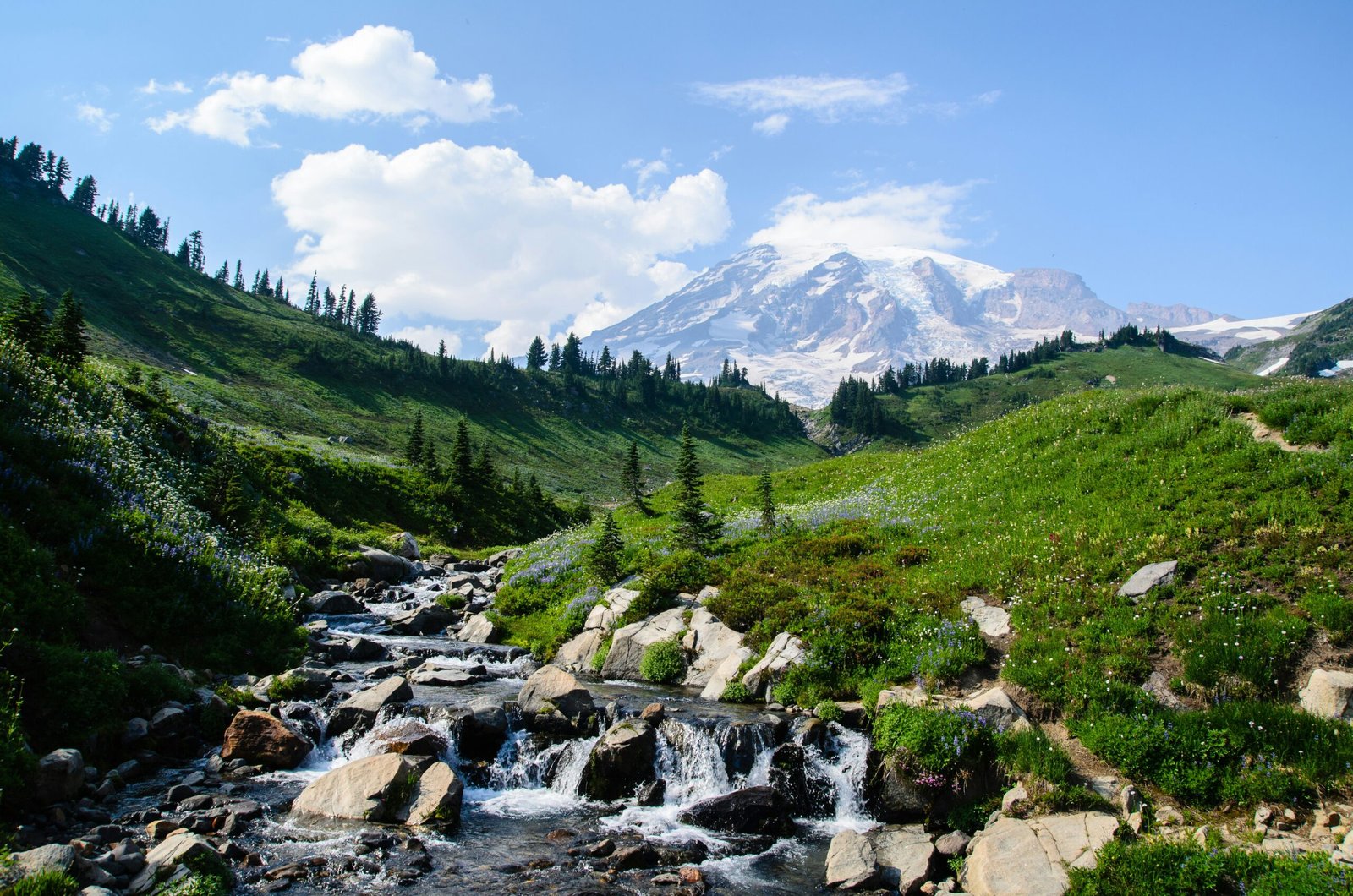
Millions of people explore the Pacific Northwest’s mountains and trails each year, but two of the region’s best-known destinations also come with some of the highest risks.
A new analysis from KURU Footwear ranked two areas within the Pacific Northwest as some of the most dangerous hiking destinations in the United States, citing fatality data, injury rates and the challenges hikers face in remote mountain terrain.
According to the Utah-based online footwear company, each hike experiences an average of at least one fatality every year.
Here’s a look at each of these hikes and what makes them some of the most dangerous in the U.S.
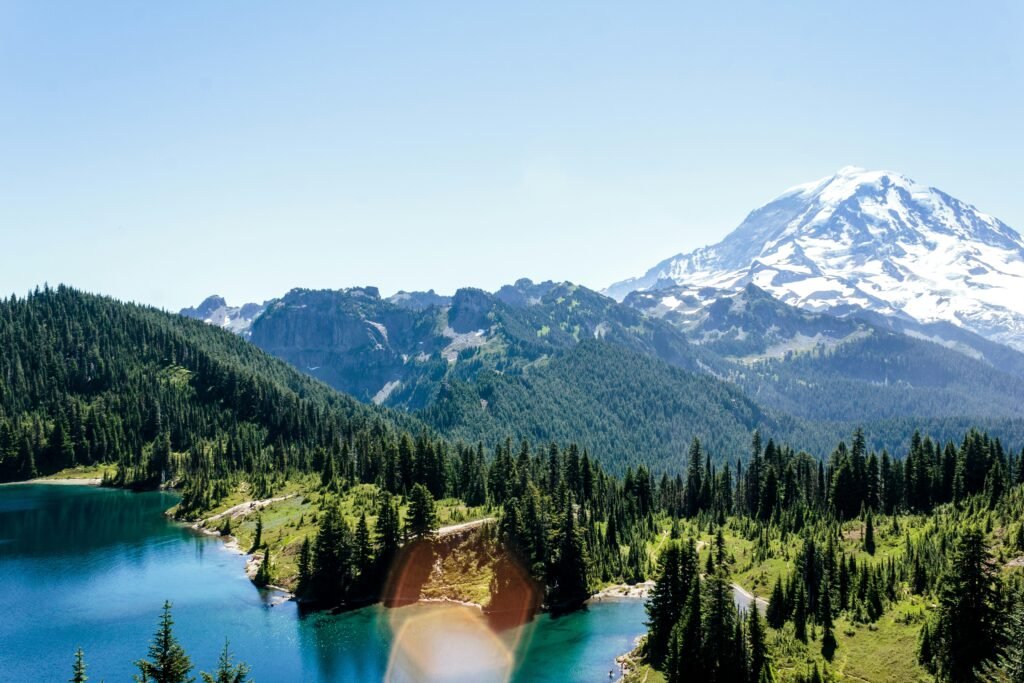
Mount Rainier National Park
Mount Rainier National Park ranked high because of the hazards associated with climbing Washington’s tallest peak.
Mount Rainier’s glaciers, deep crevasses, rapidly changing weather and elevations exceeding 14,000 feet create conditions that demand experience and careful planning.
According to the analysis, Mount Rainier averages two to three climbing fatalities each year.
While most visitors stay on lower-elevation trails, climbers attempting the summit face steep terrain, glacier hazards and rapidly changing weather.
Pacific Crest Trail
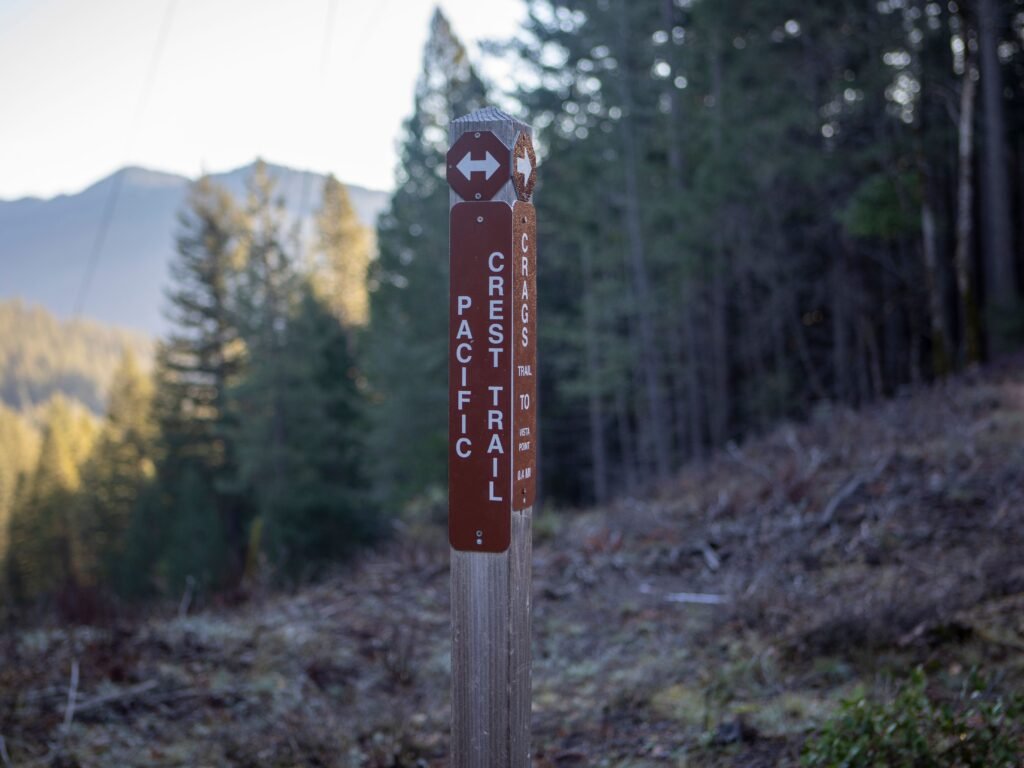
The Pacific Crest Trail also earned a spot on the list.
The 2,650-mile trail stretches from Mexico to Canada, including hundreds of miles through Oregon and Washington.
Researchers estimate about one in 10 thru-hikers experiences a significant injury during the journey.
Common hazards include dehydration, hypothermia, difficult snow crossings, swift river crossings and long stretches of remote backcountry where emergency assistance may not be readily available.
The trail averages one to two fatalities each year, according to the report.
What other hikes were also ranked the most dangerous?
Several other nationally recognized hiking destinations also appeared on the list, including Grand Canyon National Park, Yosemite National Park, Zion National Park, the Appalachian Trail, and the Continental Divide Trail.
Researchers said the rankings considered injury statistics along with terrain, seasonal hazards, weather conditions, visitor volume, and the level of preparation required.
Steep drop-offs, narrow trails, and rapidly changing conditions can quickly increase the risk of an accident.
Hiking safely this summer
Whether you’re exploring Mount Rainier, the Cascades, or parts of the Pacific Northwest trail, preparation remains one of the best ways to reduce risk.
Outdoor experts recommend:
- Packing the 10 Essentials.
- Wearing hiking boots with good traction.
- Checking weather and trail conditions before leaving.
- Sharing your hiking plans with someone at home.
- Carrying a satellite communicator or other emergency device when traveling beyond cell service.
The report reminds local and travelling hikers that even the PNW’s most scenic destinations require careful planning, especially for hikers venturing into alpine or backcountry terrain.