Partial lunar eclipse will be visible across the Pacific Northwest this week
A partial lunar eclipse will be visible across Oregon and Washington this week, briefly giving much of the…
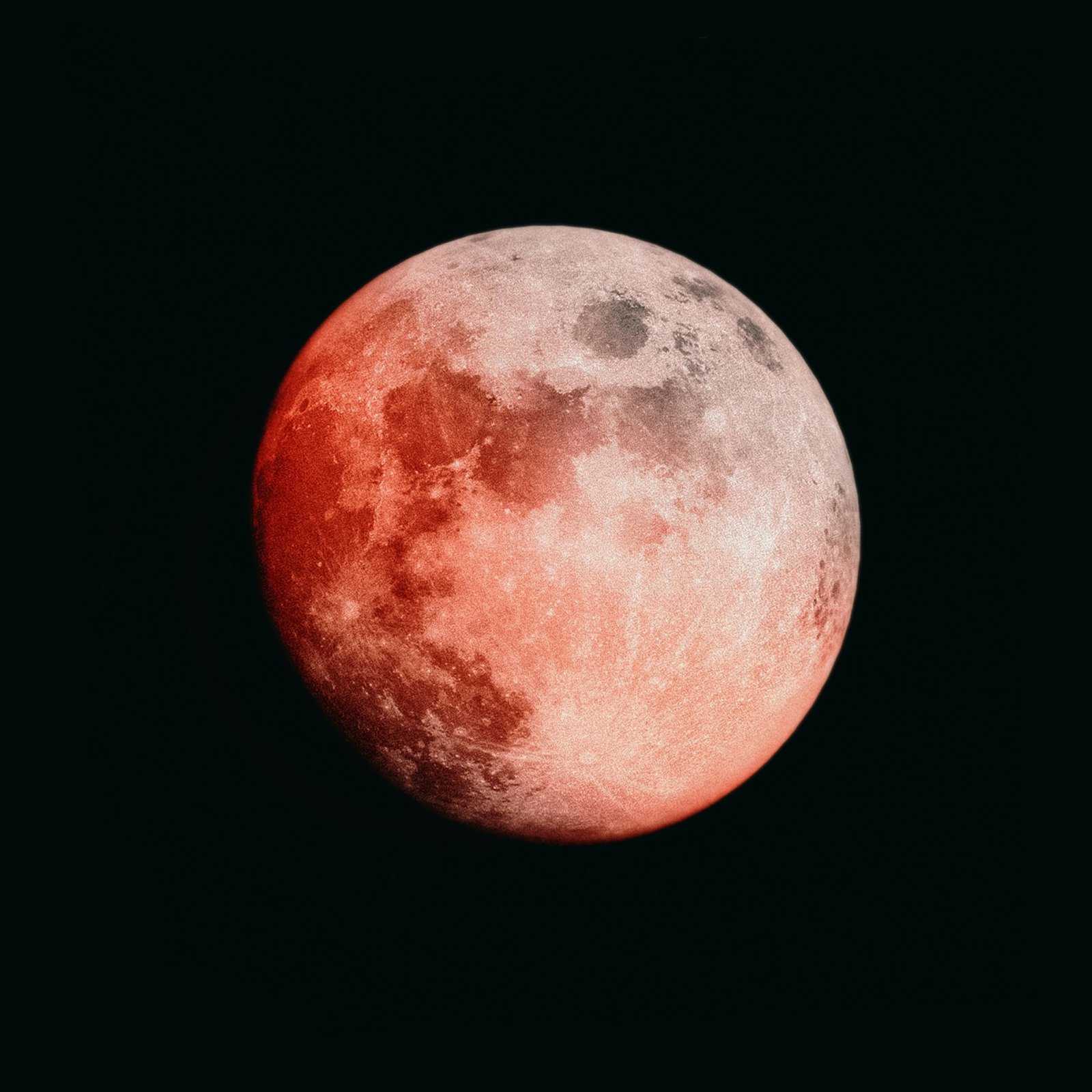
A partial lunar eclipse will be visible across Oregon and Washington this week, briefly giving much of the moon a reddish, copper color.
The eclipse will take place Thursday, Aug. 27, into early Friday, Aug. 28. The eclipse coincides with August’s full moon, traditionally known as the Sturgeon Moon.
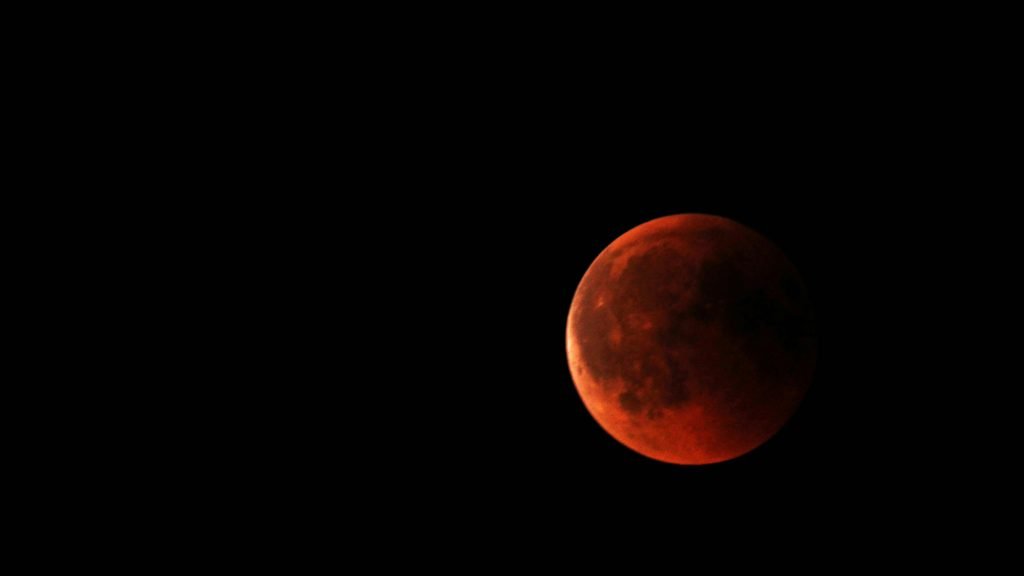
During the eclipse, Earth’s shadow will cover most of the full moon, creating the reddish color often associated with a “blood moon.”
Here’s what to know about when to look up and what you can expect to see.
When can you see the lunar eclipse in Oregon and Washington?
The eclipse will already be underway when the moon rises across much of Oregon and Washington Thursday evening.
The eclipse will reach its peak at about 9:14 p.m. PDT. At that point, about 93% of the moon’s diameter will be inside Earth’s dark central shadow, known as the umbra, according to NASA.
The partial eclipse will continue until about 10:51 p.m. PDT.
Because the moon will be low in the sky during part of the eclipse, viewers will want to find a location with a clear view toward the east and southeast. Mountains, trees, and buildings could make it harder to see shortly after moonrise.
What will the lunar eclipse look like?
While you may hear it described as a “blood moon,” this will technically be a partial lunar eclipse.
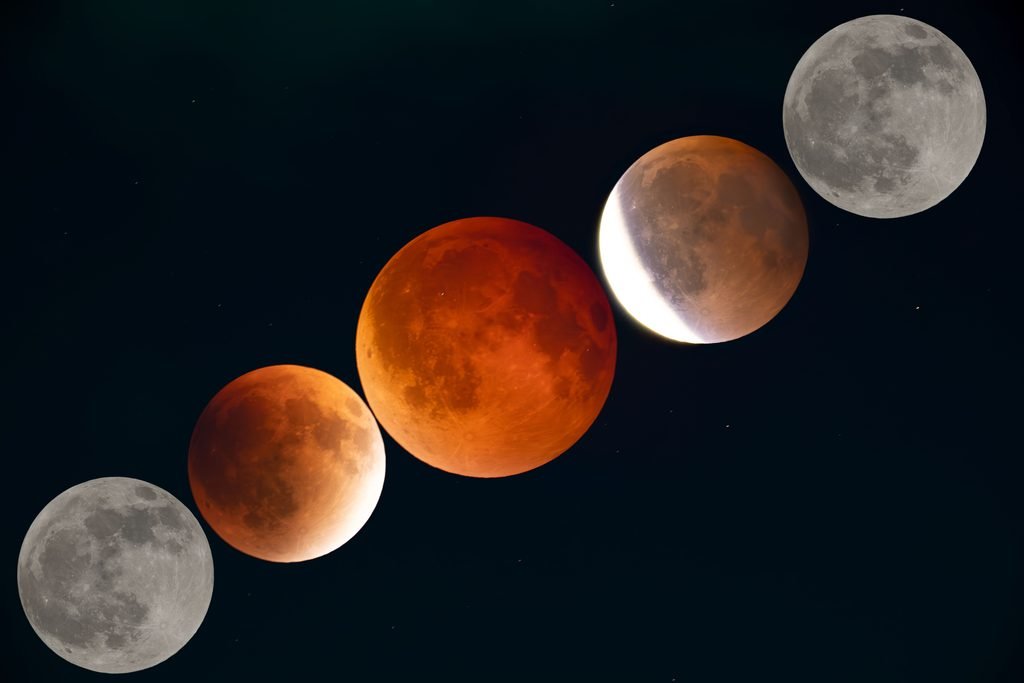
At its peak, most of the moon will be covered by Earth’s shadow, giving the eclipsed portion a rusty, copper-red color.
The color happens because sunlight passes through Earth’s atmosphere before reaching the moon. Earth’s atmosphere scatters more blue light while allowing more red and orange light to pass through.
The result is similar to the colors you see during a sunrise or sunset.
Where will the eclipse be visible?
Most of North and South America will be able to see at least part of the eclipse. The event will also be visible from portions of western Africa and Europe, including Spain, Portugal, and Iceland.
The eastern United States will have some of the best viewing conditions because the moon will already be above the horizon when the eclipse begins.
Oregon and Washington are closer to the western edge of the viewing area. That means the eclipse will already be happening when the moon rises, but Pacific Northwest viewers should still be able to catch the deeper portion of the eclipse.
Alaska and Hawaii will have a more limited view because more of the eclipse will take place before moonrise.
Do you need special equipment to watch it?
No. Unlike a solar eclipse, you can safely watch a lunar eclipse without special glasses or other eye protection.
You also don’t need a telescope. The eclipse will be visible with the naked eye, although binoculars or a telescope can provide a closer view.
For the best chance of seeing it, find a dark location away from bright lights with an unobstructed view of the eastern sky.
Of course, this is the Pacific Northwest, so whether you’ll actually see the eclipse may come down to the clouds.
Will skies be clear?
Oregon and Washington are expected to have mostly clear skies on the night of Aug. 27, with cloud cover ranging from about 8% to 26%, according to the National Weather Service.
Why is the August full moon called the Sturgeon Moon?
The name Sturgeon Moon comes from the giant lake sturgeon once found in abundance in the Great Lakes and Lake Champlain.
The freshwater fish were believed to be especially easy to catch around this time of year, making them an important seasonal food source.
For generations, Indigenous peoples have used the moon’s cycles to mark seasonal changes, harvests and other important times of the year.
Names varied among tribes and locations. The August full moon has also been called the Green Corn Moon, Grain Moon and Red Moon, according to the Old Farmer’s Almanac.
When is the next lunar eclipse?
Another lunar eclipse will take place in February 2027.
That one will be a penumbral lunar eclipse, which is much more subtle. During a penumbral eclipse, the moon passes through the lighter outer portion of Earth’s shadow and appears slightly dimmer.
August has already been a busy month for skywatchers. A total solar eclipse crossed parts of the Arctic and Spain on Aug. 12, and the Perseid meteor shower peaked around the same time.
The Aug. 27 partial lunar eclipse gives Pacific Northwest residents one more skywatching event to catch before the end of the month.