Wildlife Safari in Oregon denied zoo accreditation after 40 years
A popular drive-through wildlife safari in Oregon has been denied accreditation by the Association of Zoos and Aquariums…
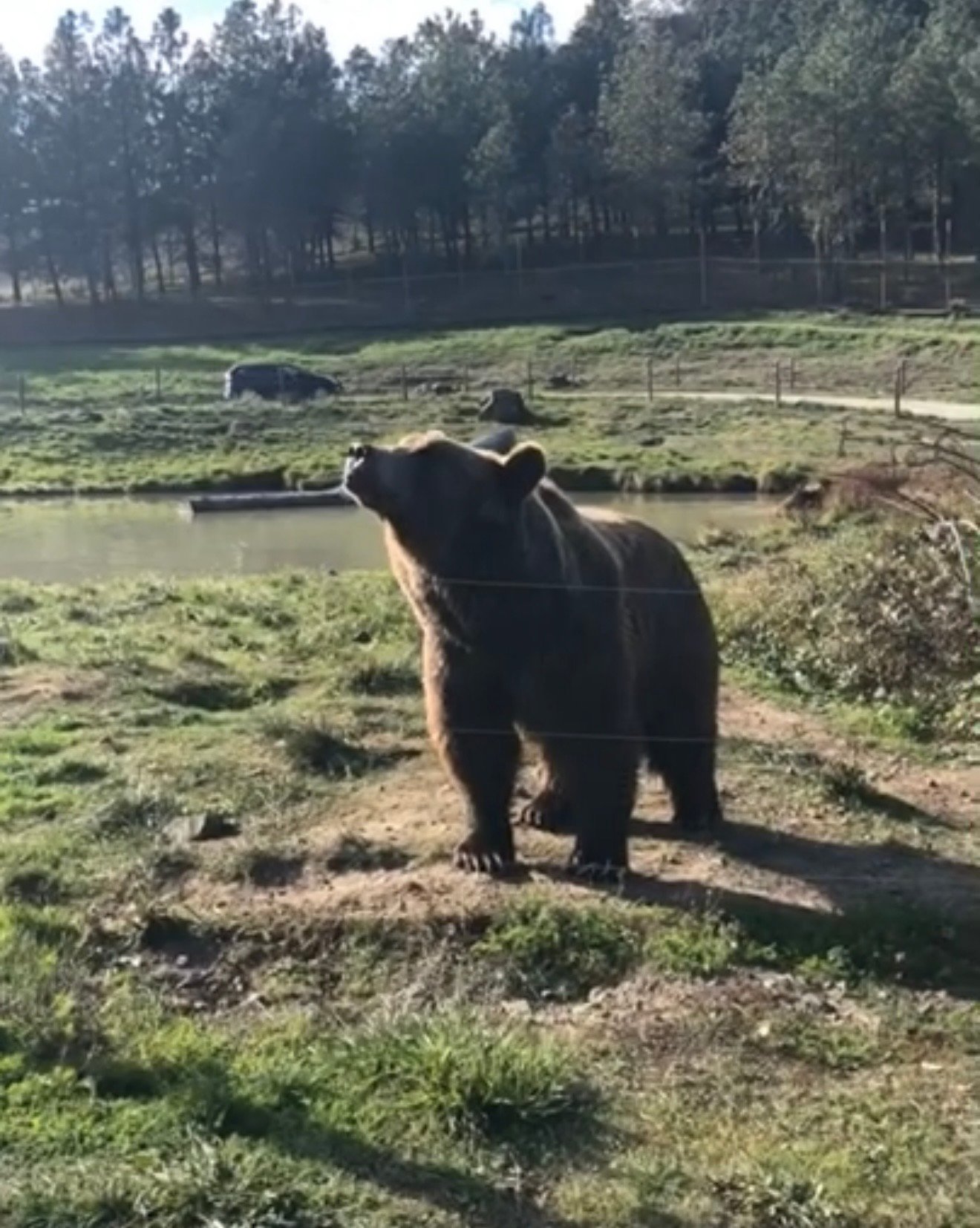
A popular drive-through wildlife safari in Oregon has been denied accreditation by the Association of Zoos and Aquariums following the organization’s fall review.
Wildlife Safari, located in Winston, has held AZA accreditation since 1986. However, on Sept. 29, AZA announced that it had denied the park’s accreditation application during its annual conference in Portland.
The announcement did not explain why Wildlife Safari’s application was denied, but the Southern Oregon wildlife park has the option to appeal the decision.
What does zoo accreditation involve?
AZA accreditation includes a review of animal care, veterinary services, staff training, conservation work, education programs, finances, and safety practices.
The process involves an application, a multiday inspection by zoo and aquarium professionals, and a hearing with facility leaders. Accredited facilities must complete the review every five years to maintain association membership.
During the fall cycle, AZA reviewed 33 applications, approving 30 and denying three.
Wildlife Safari, Baylor University Bear Habitat in Texas, and the Indianapolis Zoological Society were denied accreditation.
Oregon Zoo in Portland was among the facilities approved.
Why was Wildlife Safari denied accreditation?
The specific reasons remain unclear.
The announcement did not identify findings involving Wildlife Safari. Without those details, it is unclear which parts of the park’s operations led to the denial.
Can Wildlife Safari appeal?
Existing members have 30 days to appeal an accreditation denial to AZA’s Board of Directors.
Can Wildlife Safari stay open without accreditation?
Wildlife Safari can continue operating without AZA accreditation as long as it meets applicable licensing and animal welfare requirements, according to the Association of Zoos and Aquariums.
The accreditation is separate from the government licensing required to exhibit regulated animals. The denial alone does not require the park to close.
Accreditation shows that a facility meets the association’s standards for animal care, safety, conservation, education, and management.
According to the organizaiton’s website, it also provides access to an animal exchange network that helps facilities arrange loans and breeding partnerships.
AZA’s Species Survival Plans coordinate breeding and animal transfers to maintain healthy, genetically diverse populations. Those programs include accredited facilities and approved Sustainability Partners, meaning some non-accredited facilities can participate.
What will happen to Wildlife Safari’s cheetah breeding program?
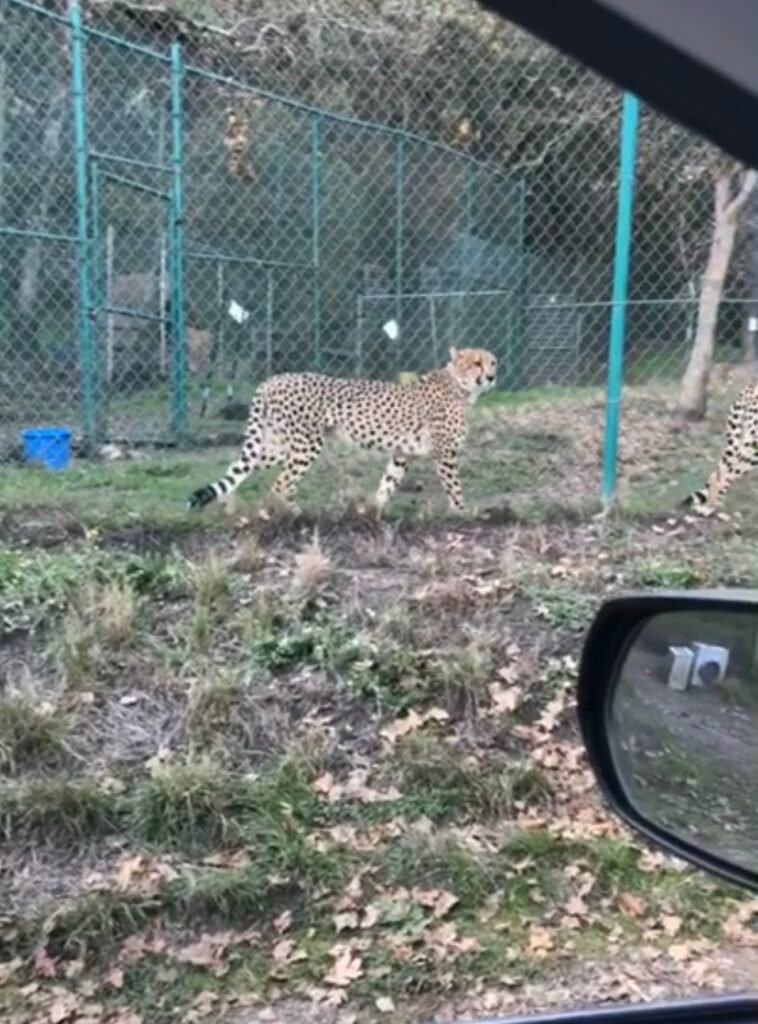
Wildlife Safari’s cheetah breeding program has worked with AZA’s Species Survival Plan to place cubs in zoos across the United States.
According to the park’s website, 259 cheetahs have been born there since its first litter in 1973. The park says the partnership helps facilities coordinate breeding, transfer animals, and share knowledge about their care.
The accreditation denial could affect those arrangements if it changes Wildlife Safari’s participation in the program.
However, AZA allows approved non-accredited Sustainability Partners to participate in Species Survival Plans, so the decision does not automatically end the park’s involvement.
It is unclear how the denial will affect its cheetah program.
What should visitors know?
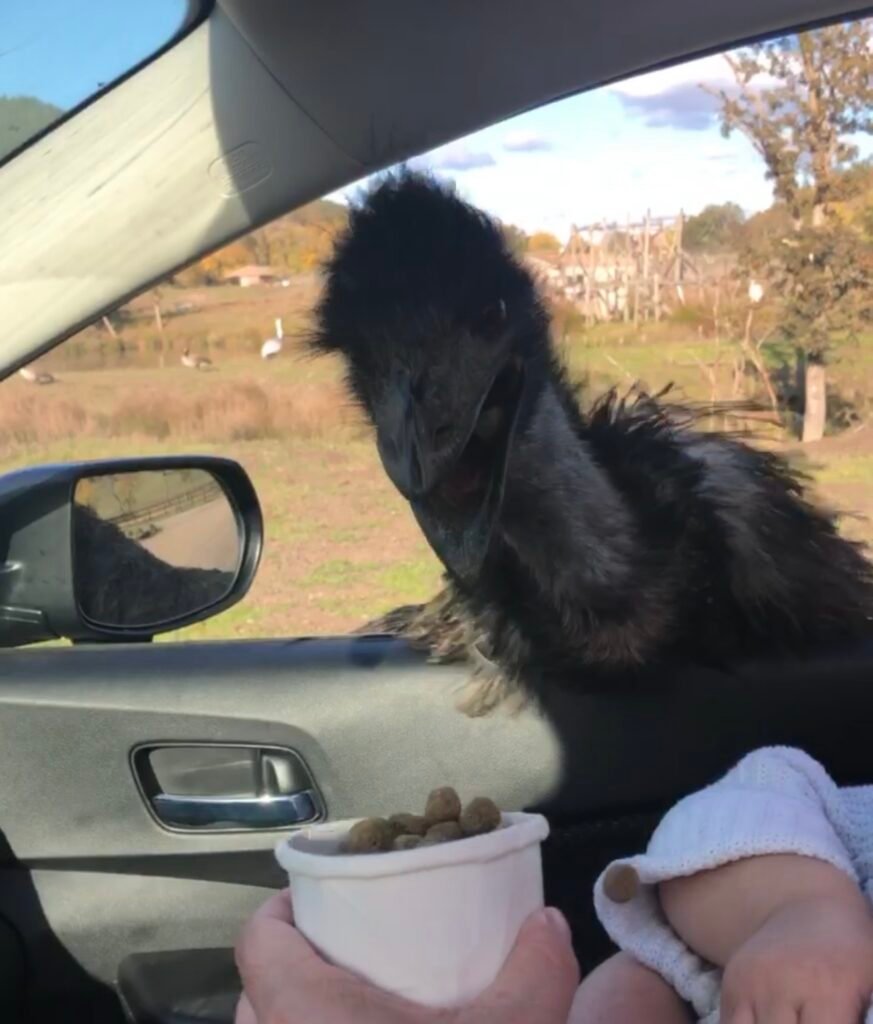
As of October 6, Wildlife Safari’s website continues to list daily operations and sell tickets for its drive-through safari. It also advertises animal encounters and October events.
Wildlife Safari is located at 1790 Safari Road in Winston. Visitors can find current hours and admission information on the park’s website.