
Here are 5 ways Washington is celebrating World Space Week 2026
Washington residents and visitors can celebrate World Space Week 2026 with free stargazing near Seattle, a planetarium program…
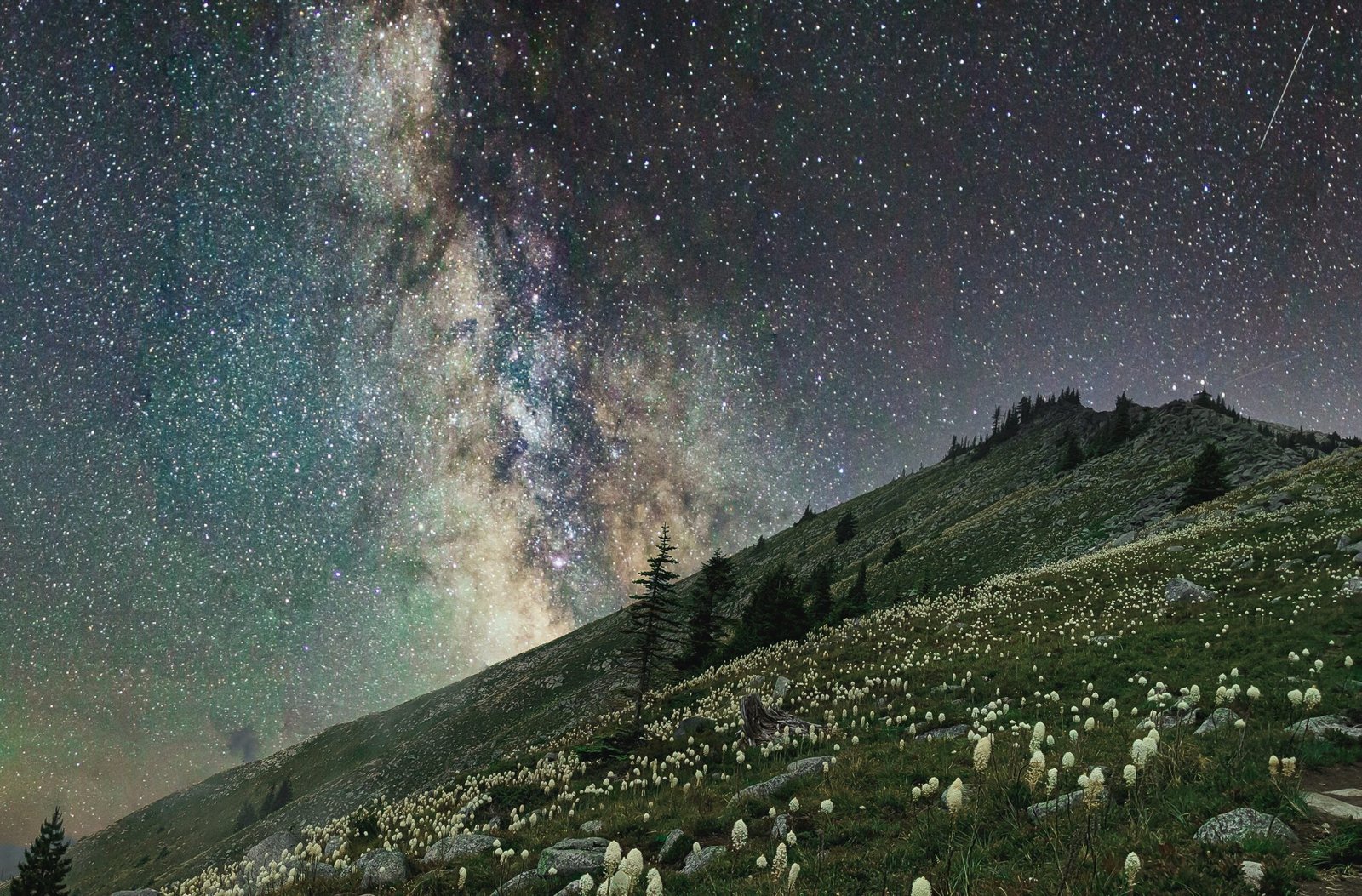
Washington residents and visitors can celebrate World Space Week 2026 with free stargazing near Seattle, a planetarium program in Pullman, and exhibits about the space shuttle program.
The annual observance runs Oct. 4–10. This year’s theme, “Rocket Revolution,” examines how reusable rockets and a growing number of launch providers are changing access to space.
These five activities include astronomy events scheduled during the week and attractions visitors can explore throughout the year.
1. Free stargazing in Duvall
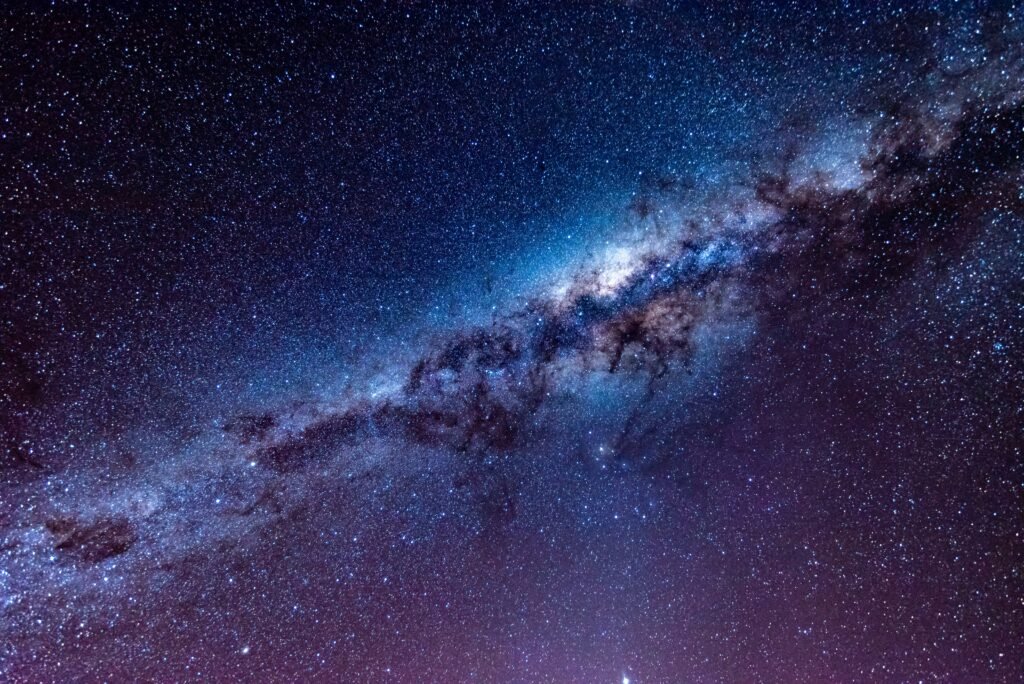
Seattle Astronomical Society will host Duvall Stargazing Friday, Oct. 9. The organizer lists the event from 6:30 p.m. until 12:30 a.m. Saturday.
Volunteers bring telescopes and binoculars to share with visitors. Admission is free, and families with children are welcome. Visitors can also bring their own equipment.
Public viewing takes place on Field 2 at the Big Rock ball fields, 28430 NE Big Rock Road. Food and drinks are not allowed on the fields. Check the organizer’s schedule before leaving.
2. Learn at WSU’s planetarium in Pullman
Washington State University’s planetarium will present “Mayan Archaeoastronomy” Friday, Oct. 9, from 7–8 p.m.
The program begins with a docent’s overview of night-sky highlights and upcoming astronomical events. A dome film follows, exploring Mayan astronomy and its connections to calendars, seasonal changes, and cultural beliefs.
Admission is $5. The planetarium is in Room 231 of Sloan Hall, 305 NE Spokane Street in Pullman.
3. Families can stargaze at Snoqualmie Point Park
Seattle Astronomical Society will hold free stargazing at Snoqualmie Point Park Saturday, Oct. 10.
Experienced volunteers bring telescopes and binoculars for the public to use. Families with children are welcome, and the organizer recommends warm layers, a folding chair, and a red flashlight to preserve night vision.
The society’s current event page lists 6–11:30 p.m. Check that page before traveling and RSVP for notifications about changes. Weather cancellations will be posted by 4 p.m. on the event day.
4. See a live planetarium presentation in Seattle
Pacific Science Center’s Willard Smith Planetarium offers live programs about astronomy and the solar system.
“Sky Watch,” recommended for ages 5 and older, explores topics that can include constellations and nearby planets. “Preschool: Moon Adventure” introduces younger children to Earth and the Moon.
Shows are included with general admission but require timed tickets. Public tickets are available on-site on a first-come, first-served basis, while members can reserve a portion of tickets in advance.
5. Explore space shuttle history
The Museum of Flight’s Charles Simonyi Space Gallery in Seattle houses NASA’s Space Shuttle Full Fuselage Trainer.
Exhibits explore the shuttle program through the people who designed, piloted, and operated the spacecraft. It’s another indoor option for learning about space during the week.
Check the museum’s admission information and visitor schedule before planning your visit.