
Oregon Zoo’s youngest elephant Tula-Tu is being treated for same virus that killed her sister
Tula-Tu, the Oregon Zoo’s youngest elephant, has tested positive for the same virus that killed her older half-sister,…
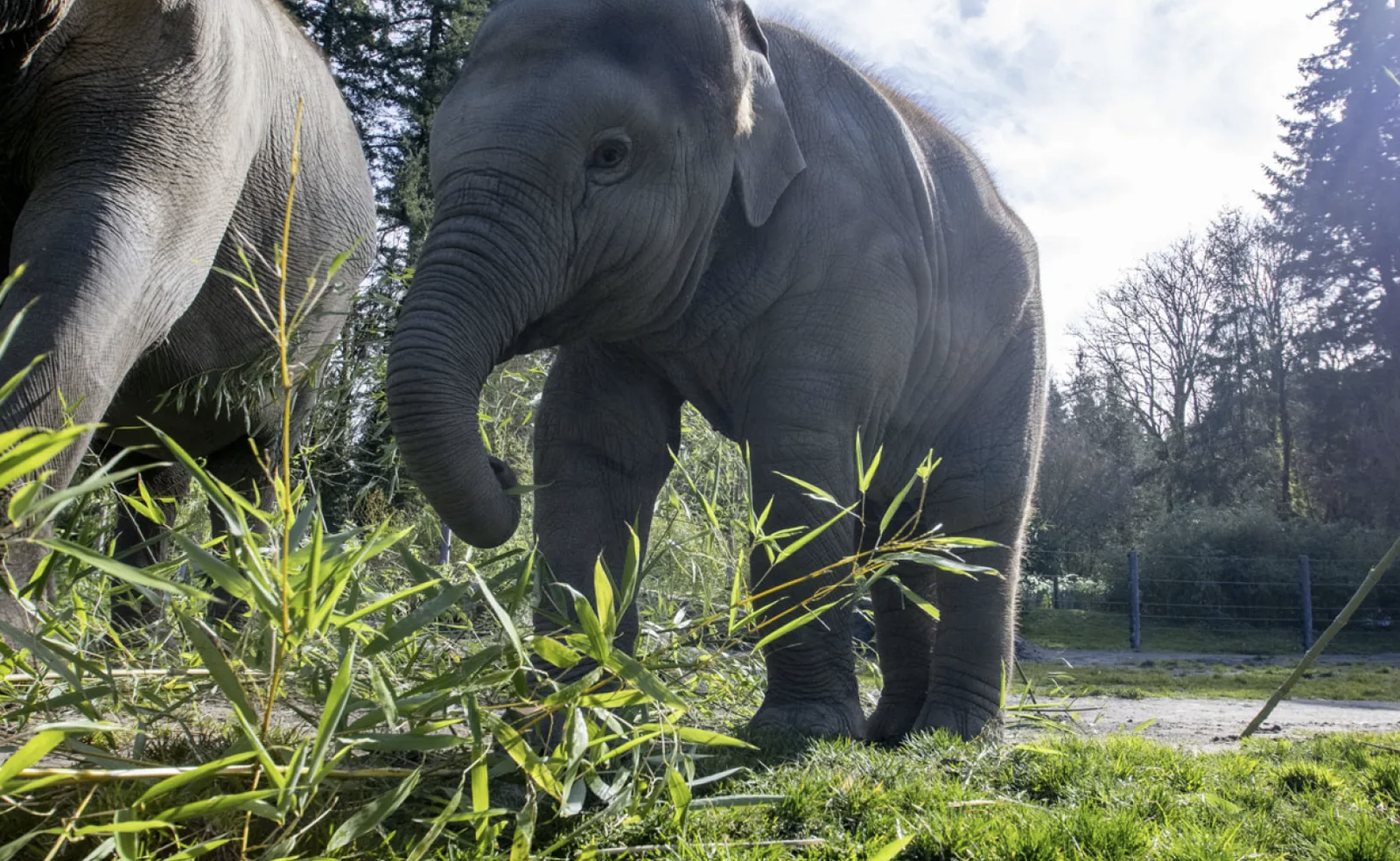
Tula-Tu, the Oregon Zoo’s youngest elephant, has tested positive for the same virus that killed her older half-sister, Lily, in 2018.
The two-year-old Asian elephant is currently being treated for endotheliotropic herpesvirus, or EEHV, a “rapidly progressing disease to which young calves are particularly susceptible,” according to an Oct. 30 statement from the zoo.
The zoo’s veterinary experts and elephant care staff have begun a comprehensive treatment plan. According to staff, Tula-Tu has remained stable throughout treatment, and her veterinary team said she shows encouraging signs.
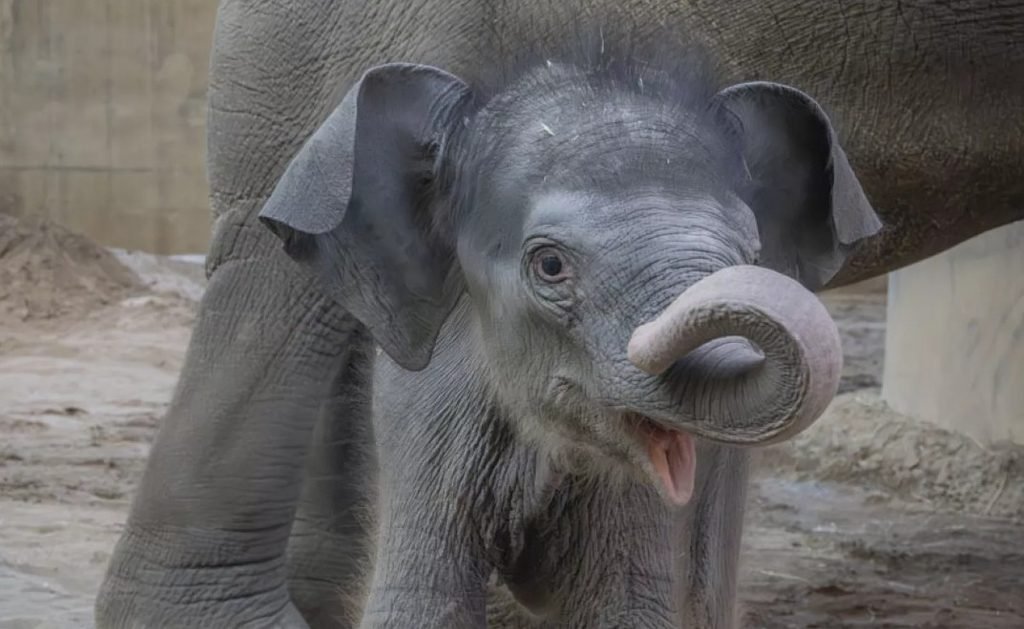
How is Tula-Tu doing?
Tula-Tu’s blood tests show stable virus levels, normal platelet counts, and improving white blood cell counts, said Dr. Carlos Sanchez, the zoo’s director of animal health.
“She’s not out of the woods yet, but these findings provide grounds for cautious optimism,” Sanchez said.
Care staff noticed changes in Tula’s behavior and energy on Oct. 24. Shortly after, veterinarians found a low white blood cell count and started antiviral medication while waiting for further testing.
The Oregon Veterinary Diagnostic Laboratory at Oregon State University confirmed elevated EEHV levels the following day. Her care team then added plasma transfusions.
Why is EEHV dangerous for elephant calves?
The disease can become life-threatening within days. Young elephants are particularly vulnerable as antibodies from their mothers decline, typically between ages 1 and 8.
Lily, another of Rose-Tu’s calves, died from EEHV in 2018, shortly before her sixth birthday.
Tula-Tu was born to Rose-Tu on Feb. 1, 2025, and celebrated her first birthday earlier this year.
Was Tula-Tu vaccinated against EEHV?
Yes. The zoo announced in August that Tula had received two doses of an experimental mRNA vaccine over the summer, making her the first elephant on the West Coast to receive it.
That vaccine targets EEHV-1A, while her current infection is caused by the related EEHV-1B strain. Whether the vaccine provides protection against that strain remains unknown.
Blood samples from Tula will also support research with Oregon State University and Baylor College of Medicine to better understand the vaccine response.