
Fall vaccine guide: What Pacific Northwest residents should know about COVID, flu, and RSV shots
Fall is approaching in Oregon and Washington, bringing cooler weather, more time indoors, and another respiratory virus season…
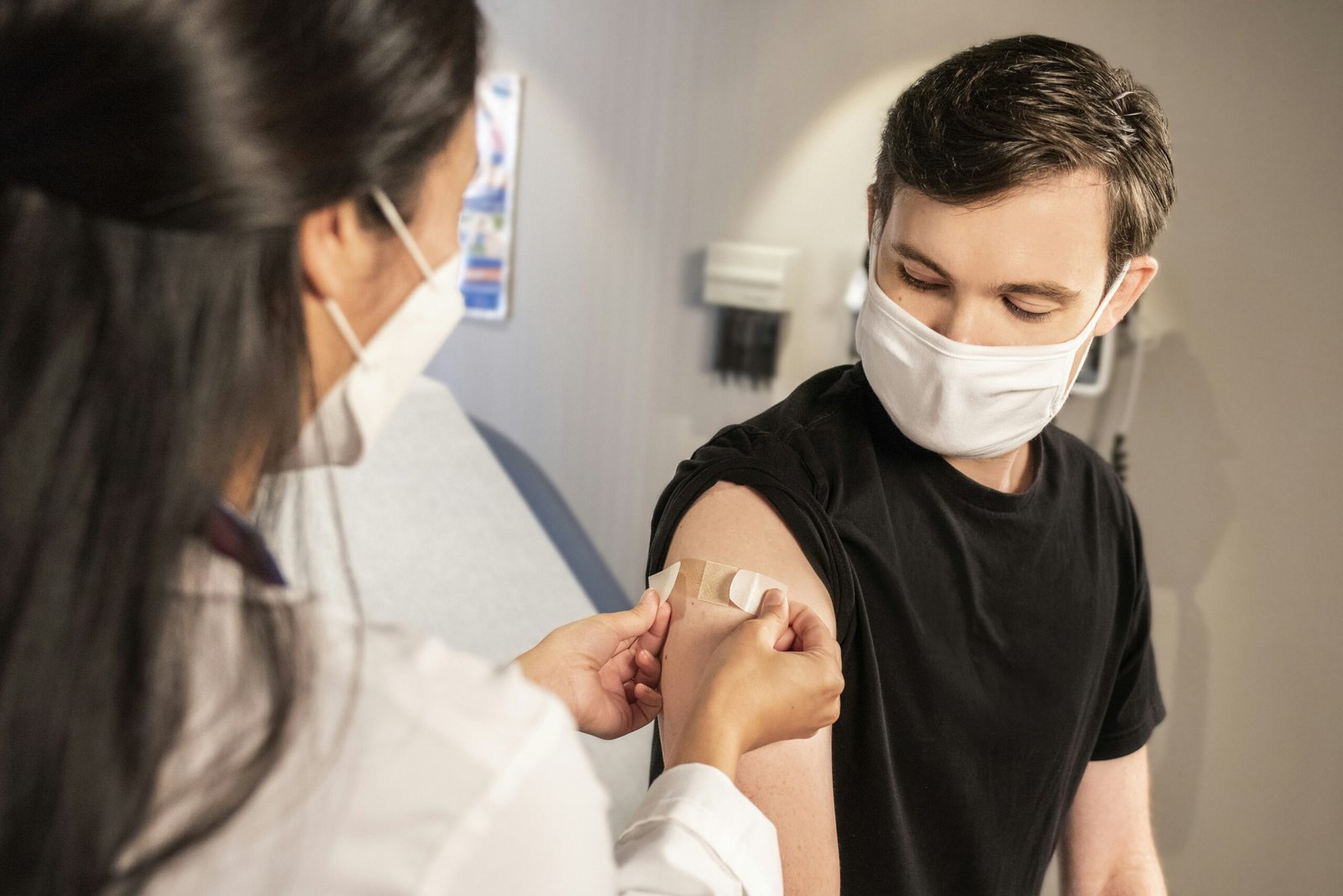
Fall is approaching in Oregon and Washington, bringing cooler weather, more time indoors, and another respiratory virus season across the Pacific Northwest.
Updated vaccines and immunizations for COVID-19, influenza, and respiratory syncytial virus, or RSV, are becoming part of the seasonal health conversation again.
Recommendations vary by vaccine, age, health conditions, and pregnancy status, and some COVID-19 guidance remains in transition for the 2026-27 season.
Here’s what Pacific Northwest residents should know before scheduling fall vaccinations.
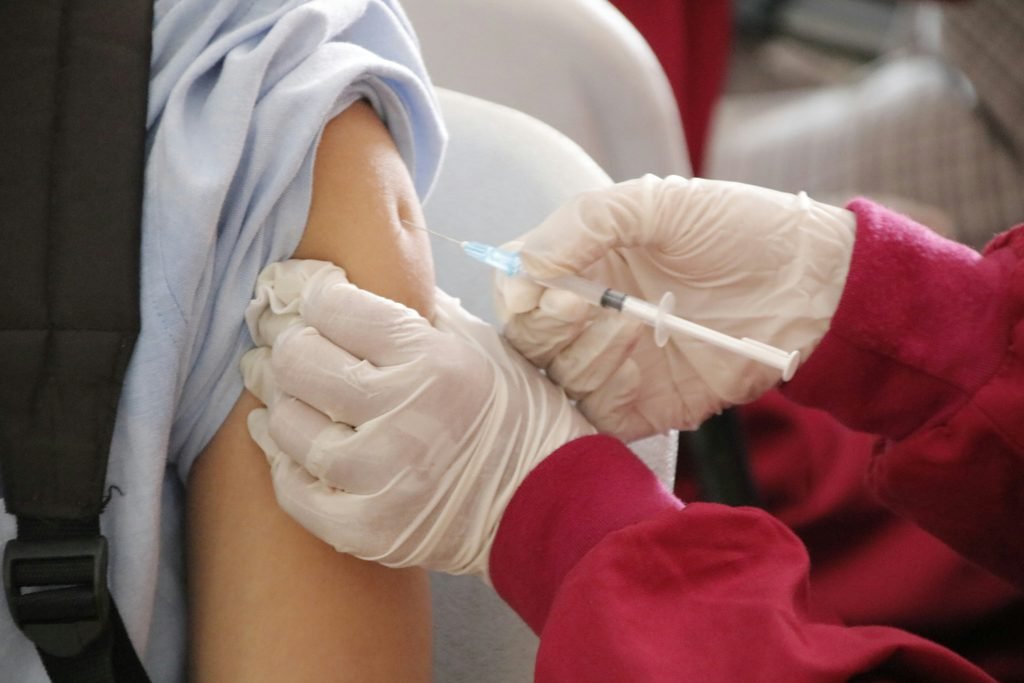
When should you get a flu shot this fall?
Annual influenza vaccination continues to be recommended for people ages 6 months and older who do not have a medical reason to avoid it, according to the Centers for Disease Control and Prevention.
For most people, September or October is generally the preferred time to get vaccinated. People who miss that window can still get a flu shot later in the season while influenza viruses are circulating.
The 2026-27 flu vaccines have also been updated. All three virus components changed from the previous season, including an update intended to protect against the H3N2 subclade K virus that circulated widely during the 2025-26 season.
That makes this year’s vaccine different from the one offered last fall.
Flu activity typically becomes a bigger concern during the fall and winter months. Oregon’s weekly Flu Bites surveillance reports for the 2026-27 season are scheduled to begin Oct. 6.
What is changing with COVID-19 vaccines?
COVID-19 vaccination is more complicated this fall because federal recommendations and vaccine eligibility have changed in recent years, and additional guidance for the 2026-27 season is still developing.
The U.S. Food and Drug Administration selected an updated formula for vaccines offered beginning in fall 2026. This season’s vaccines are designed to target the XFG variant within the JN.1 lineage.
Some of the updated vaccines received FDA approval in late August for adults ages 65 and older and for people ages 12 through 64 who have at least one underlying condition that increases their risk of severe COVID-19.
Residents should check current recommendations before making an appointment because eligibility, insurance coverage, pharmacy requirements, and state guidance can affect access.
Why could Oregon and Washington guidance differ from federal recommendations?
Oregon and Washington are members of the West Coast Health Alliance, along with California and Hawaii.
The states formed the alliance in 2025 to coordinate public health recommendations and review vaccine guidance. During the 2025-26 respiratory virus season, the alliance issued its own recommendations for COVID-19, flu, and RSV vaccines.
Oregon residents can check the Oregon Health Authority for the latest state guidance, while Washington residents can check the Washington State Department of Health.
Washington health officials have scheduled a respiratory season vaccine update for health care providers on Sept. 17.
Who should consider an RSV vaccine?
RSV vaccination follows a different schedule than flu vaccination.
The CDC recommends one dose for all adults ages 75 and older. Adults ages 50 through 74 are also recommended to receive an RSV vaccine if they have an increased risk of severe illness.
Risk can be higher for people with chronic heart or lung disease, weakened immune systems, certain other medical conditions, and those living in nursing homes.
Unlike the flu vaccine, RSV vaccination is not currently an annual shot. People who have already received an RSV vaccine generally should not receive another dose at this time.
For eligible adults who have not been vaccinated, late summer and early fall are considered good times to receive the shot. In most of the continental United States, that means August through October.
What should pregnant people and parents know about RSV?
RSV prevention also includes options designed to protect infants, who can face a higher risk of serious illness.
The CDC recommends Pfizer’s Abrysvo vaccine during weeks 32 through 36 of pregnancy, generally from September through January in most of the continental United States.
Another option is an RSV antibody given directly to infants. Most babies do not need both maternal vaccination and an infant RSV antibody.
Parents and expecting families can talk with their health care provider about which approach applies to their situation and when the immunization should be given.
Can COVID, flu, and RSV vaccines be given at the same appointment?
In many cases, yes.
CDC guidance allows RSV vaccines to be administered during the same visit as other adult vaccines. Flu and COVID-19 vaccines can also be given during the same appointment.
Whether to receive several vaccines together can depend on age, medical history, timing, and personal preference.
A pharmacist or health care provider can help determine an appropriate schedule.
Where can people get vaccinated in Oregon and Washington?
COVID-19, flu, and RSV vaccines are available at many pharmacies, health care clinics, and local health departments across Oregon and Washington.
Availability varies, so it is a good idea to check with the pharmacy or clinic before visiting.


