Humpback whale rescued off Oregon Coast not expected to survive
A young humpback whale was freed from thousands of feet of tangled fishing gear off the Oregon Coast,…
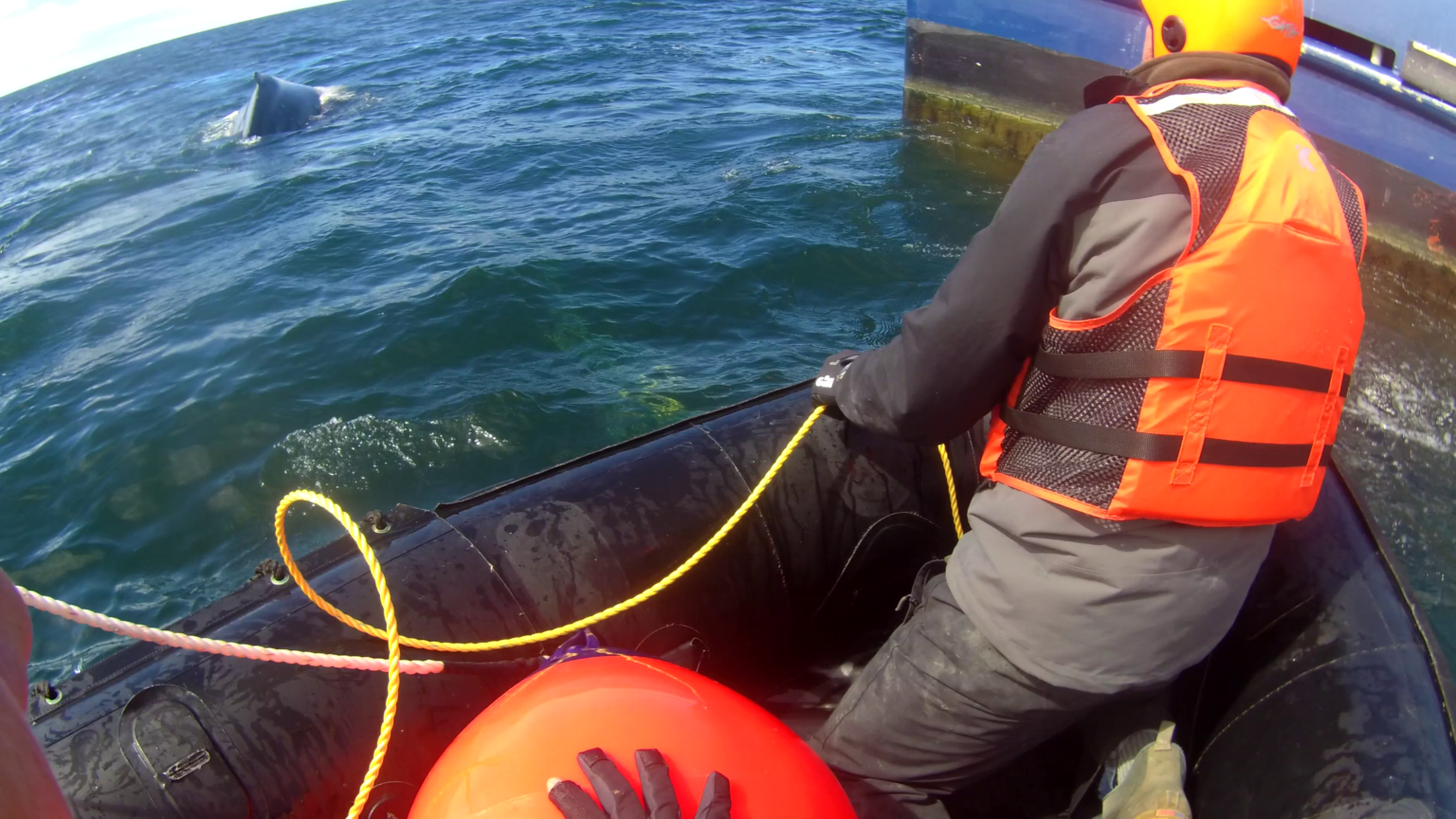
A young humpback whale was freed from thousands of feet of tangled fishing gear off the Oregon Coast, but responders say severe injuries will likely prevent the animal from surviving.
The whale was freed July 26 about 20 miles off Oregon’s central coast near Newport following a multi-day response involving the Oregon Coast Aquarium, Oregon State University’s Marine Mammal Institute, Cascadia Research Collective, the U.S. Coast Guard, and a local commercial fisherman.
According to the Oregon Coast Aquarium, responders successfully removed the fishing gear, but the entanglement left the whale’s jaw permanently open.
The injury means the whale may not be able to feed and will likely not survive.
How did the humpback whale become trapped off the Oregon Coast?
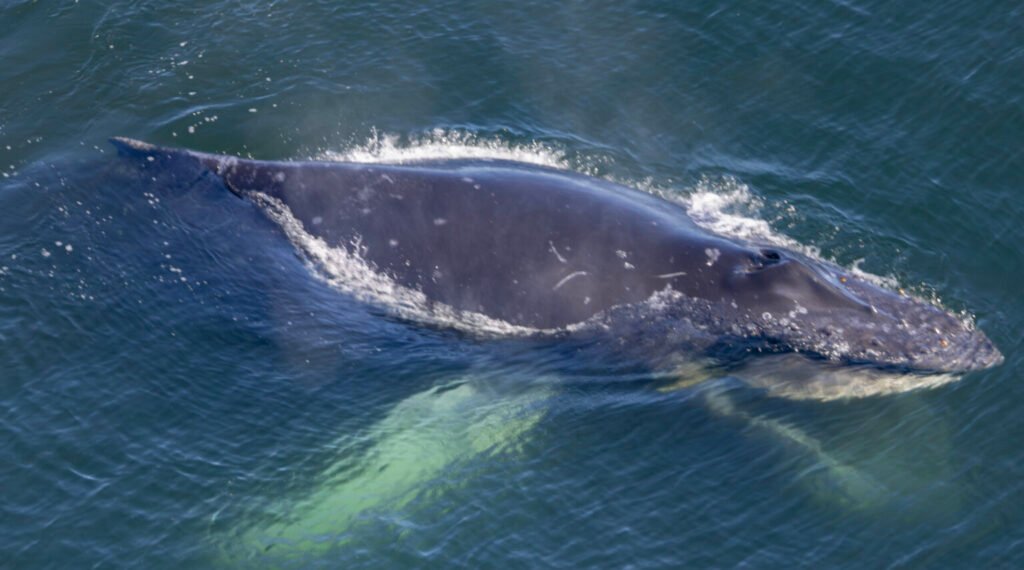
Oregon State University research assistant Craig Hayslip first spotted the entangled whale while aboard a U.S. Coast Guard helicopter surveying the Oregon Coast for whales and fishing gear.
The whale was found anchored by heavy fishing gear to the ocean floor about 400 feet below the surface.
Hayslip reported the animal through NOAA Fisheries’ West Coast entanglement hotline, prompting trained responders to head to the area.
The response team located the whale shortly after 7 a.m. July 24. An underwater camera revealed a line running through the whale’s mouth and extending toward the ocean floor.
The position of the whale’s jaw immediately concerned responders.
Jim Rice, who manages the Oregon Marine Mammal Stranding Network for Oregon State University, said the whale’s jaw was open far beyond what would occur naturally.
The team was unable to reach or move the gear during its first attempt. Rough weather kept responders on shore the following day before they returned July 26.
How was the humpback whale rescued?
Local commercial fisherman Poggy Lapham and his fishing vessel, the Michele Ann, joined the rescue operation.
Responders used the vessel’s hydraulic winch to lift the heavy fishing gear from the ocean floor. Raising the gear allowed a team aboard a smaller boat to get close enough to cut the line attached to the whale.
The humpback eventually swam free.
The Michele Ann crew then continued hauling the remaining fishing gear to the surface.
According to the Oregon Coast Aquarium, responders recovered more than 3,000 feet of line, five sablefish pots and individual commercial Dungeness crab traps from Oregon and Washington.
The condition of the equipment suggested some of it may have been lost or abandoned gear. NOAA Fisheries is following up with the gear owners.
Why is the rescued humpback whale not expected to survive?
Although responders successfully freed the whale, the fishing gear caused severe damage to its jaw.
The entanglement left the animal’s mouth permanently open, preventing it from feeding normally. Responders say the injury is expected to be fatal.
An online whale identification catalog identified the animal as a young humpback previously documented in British Columbia in 2024.
“This is truly a heartbreaker because of the whale’s injuries, but we will learn so much from this case that can help us prevent future entanglements,” NOAA Fisheries’ Lauren Saez said in the Oregon Coast Aquarium report.
Responders also recovered DNA from the fishing gear, which could help scientists determine which humpback population the whale belongs to.
How common are whale entanglements off the Oregon Coast?
Whale entanglements remain a concern along the Oregon Coast and elsewhere on the West Coast.
According to the Oregon Coast Aquarium, more than 30 humpback whales were confirmed entangled in 2025. NOAA Fisheries has expanded training through its West Coast Large Whale Entanglement Response Program as reported entanglements have increased over the past decade.
NOAA Fisheries also formed a West Coast Take Reduction Team in 2025. The group includes commercial fishermen, Tribal representatives, scientists, fishery managers and conservation organizations working on recommendations to reduce humpback whale entanglements involving sablefish pot gear.
Officials warn boaters and other members of the public not to approach or attempt to free an entangled whale. Only trained and authorized responders should attempt a disentanglement.
The gear and DNA recovered during the Oregon Coast rescue could now help researchers determine how the whale became entangled and provide information that may help prevent similar incidents in the future.