Most people in this Oregon Coast town will likely die if the ‘Big One’ hits, new tsunami study finds
A new report on tsunami planning guidance from Oregon shows that some coastal towns are much better positioned…

A new report on tsunami planning guidance from Oregon shows that some coastal towns are much better positioned for a Cascadia earthquake and tsunami than others.
The Oregon Department of Emergency Management recently released new guidance for tsunami vertical evacuation structures along the coast.
As part of that work, the state looked at evacuation conditions in Seaside and Cannon Beach, two popular northern Oregon Coast destinations located only about nine miles apart.
The results are significantly different.
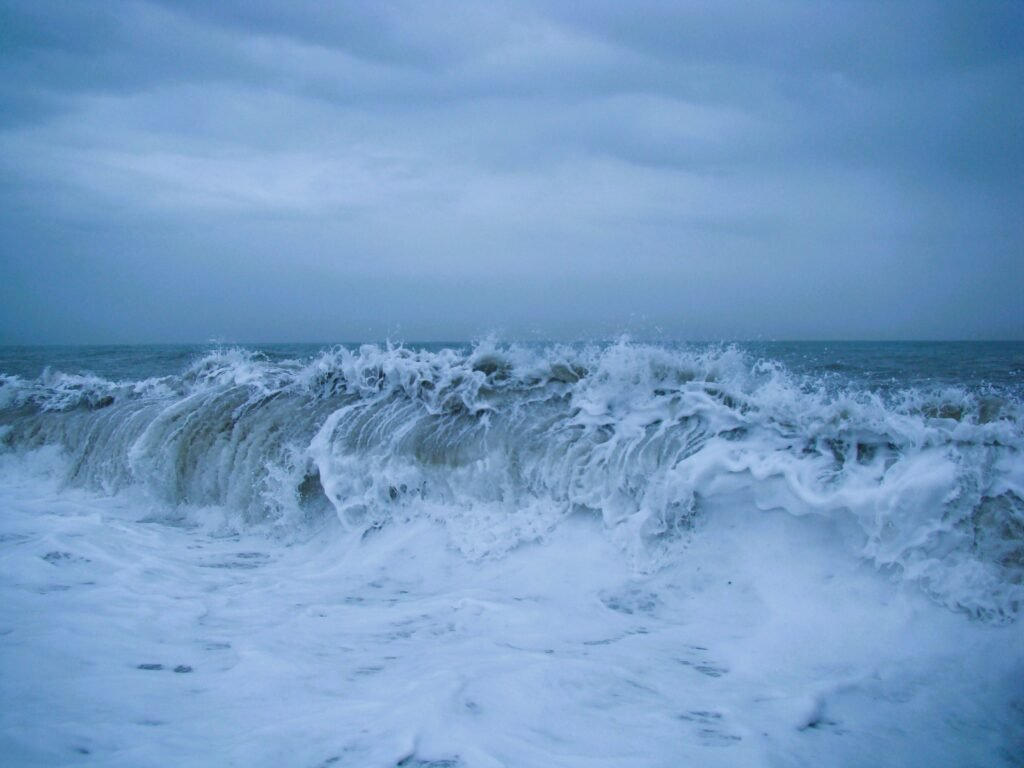
Seaside’s population could be almost completely wiped out
Under current conditions, the state estimates about 75% of people in Seaside’s tsunami inundation zone could be killed, while 25% could successfully evacuate before a tsunami arrives, according to the agency.
In Cannon Beach, it estimates 10% of people could be killed.
Why are tsunami evacuation conditions different in Seaside and Cannon Beach?
The biggest difference is access to high ground.
Cannon Beach has natural high ground close enough for most people to reach following an earthquake.
Seaside has large areas where people would need to travel farther before getting outside the tsunami inundation zone.
That becomes especially important during a Cascadia Subduction Zone earthquake, when there may be little time to evacuate.
Initial waves could reach the central and northern coast in about 20 minutes, according to the ODEM.
The earthquake itself could also last several minutes and damage roads, bridges, and other infrastructure used during an evacuation.
For residents and visitors, that means getting to high ground quickly could make a major difference.
What did Oregon find about tsunami survival in Seaside?
Seaside stands out in the state’s analysis because of the number of people who may not have enough time to reach natural high ground.
The state’s modeling estimates a 25% survival rate within Seaside’s tsunami inundation zone under existing conditions.
Adding one vertical evacuation structure could increase the estimated survival rate to about 50%.
With multiple structures placed in areas where people have difficulty reaching natural high ground, the estimated survival rate could increase to about 85%.
The numbers help show why Oregon is looking at vertical evacuation as another option for some coastal communities.
What are vertical evacuation structures?
Vertical evacuation structures provide an elevated place for people to go when they cannot reach natural high ground before a tsunami arrives.
The structures are designed to withstand major earthquake shaking and tsunami forces while keeping people above expected inundation levels.
They can include freestanding towers, elevated structures, reinforced buildings, or artificial hills known as berms.
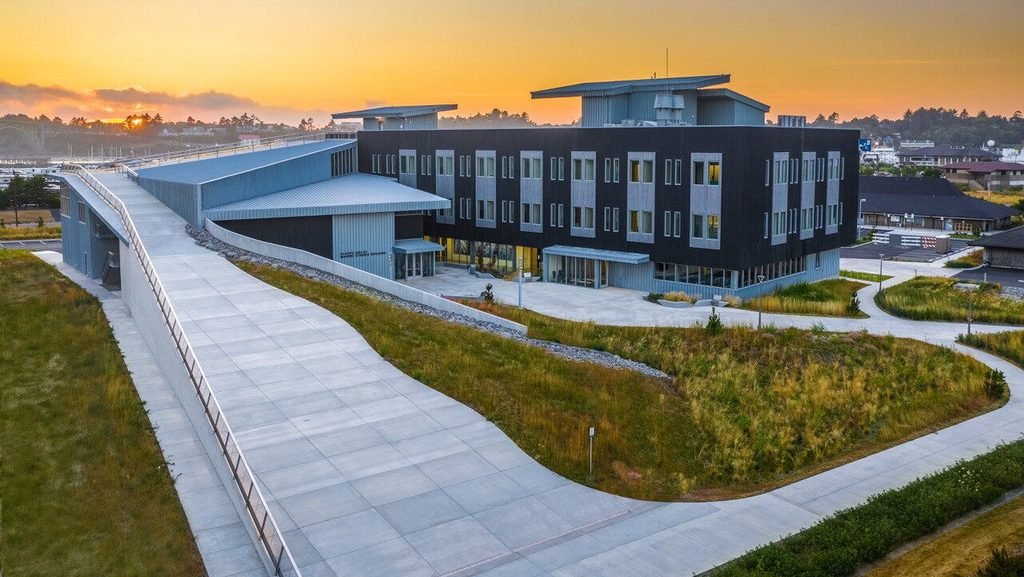
Oregon currently has a vertical evacuation site at Oregon State University’s Hatfield Marine Science Center in Newport. The Gladys Valley Marine Studies Building includes an elevated refuge area that can accommodate about 920 people.
Washington also has vertical evacuation structures, including the Shoalwater Bay tsunami tower near Tokeland.
Why does Cannon Beach have better evacuation conditions?
Cannon Beach’s geography gives most people better access to nearby high ground. However, that does not mean every part of the city has the same evacuation options.
Downtown Cannon Beach faces a particular challenge because Ecola Creek separates the area from nearby high ground. The state’s modeling estimates only about 2% of people in that area could successfully evacuate under current conditions.
Improving the Fir Street Bridge could raise that estimate to about 77%, according to the guidance.
Vertical evacuation structures could provide another option for areas where existing routes do not provide enough time to reach safety.
What happens next for Oregon Coast communities?
Oregon’s new guidance does not mean vertical evacuation structures will immediately be built in Seaside or other coastal communities.
Instead, it gives local governments and emergency planners information they can use when deciding whether a structure is needed, where it could be located, and how many people it could help.
The guidance also looks at possible funding sources, land-use requirements, design options, and other considerations communities would need to address before moving forward with a project.