Old Farmer’s Almanac Fall 2026 Weather Predictions: The Pacific Northwest
For many of us in the Pacific Northwest, the end of summer means cooler days, changing leaves, and…
For many of us in the Pacific Northwest, the end of summer means cooler days, changing leaves, and the return of that familiar Fall weather.
With this in mind, the Old Farmer’s Almanac is offering an early look at what the start of fall could bring to Oregon and Washington.
The annual weather and seasonal guide released its Fall 2026 predictions, which include the type of weather the Pacific Northwest may experience in the months ahead.
The forecast covers September and October and points to a potentially cooler and wetter start to Autumn throughout the PNW.
Here’s what the Almanac predicts for the 2026 Fall season in the Pacific Northwest.
What does the Almanac predict for the Pacific Northwest?
Oregon and Washington residents may want to keep rain jackets close once September arrives.
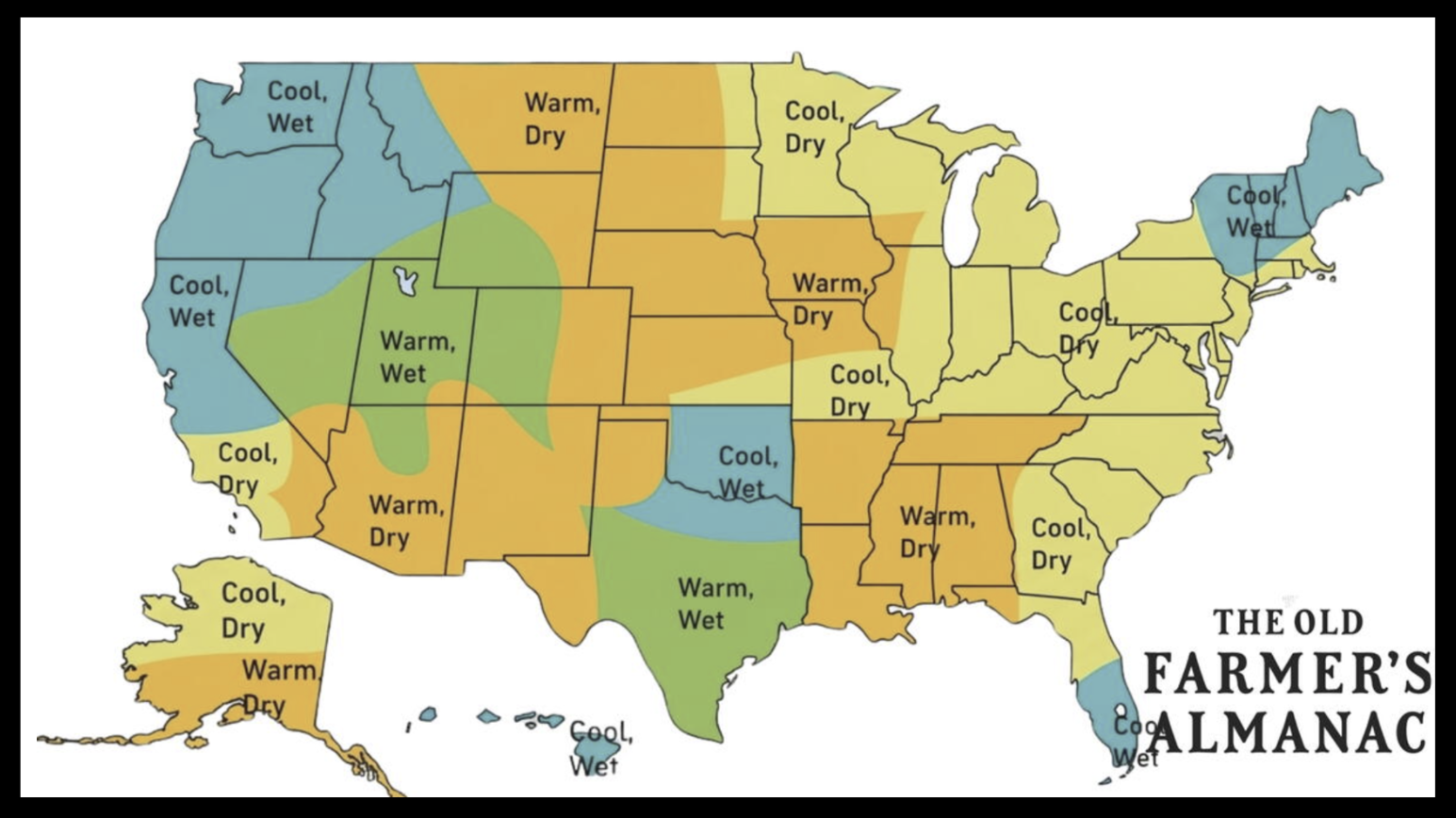
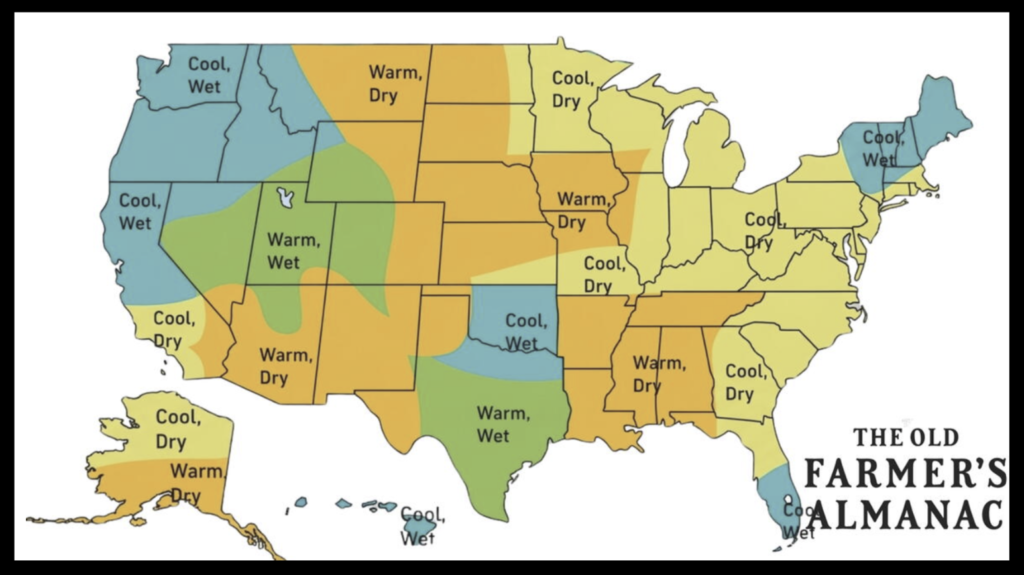
The Old Farmer’s Almanac predicts that there will be cooler and wetter conditions than average across the Pacific Northwest this Fall, with September expected to bring some of the most noticeable differences.
According to the forecast, parts of the PNW could receive as much as 3 inches more rain than normal in September.
The Pacific Northwest is one of several areas where the Almanac expects above-average precipitation. Much of the United States, by comparison, is predicted to see a drier-than-normal Fall.
Temperatures along the Pacific Coast are also expected to trend cooler than average during the season.
For parts of the Pacific Northwest, the wetter weather is a welcome change after a summer marked by heavy wildfire activity.
What could the forecast mean for Oregon and Washington?
Oregon and Washington could get an early taste of fall this September, with cooler temperatures and more rain in the forecast.
For those of us west of the Cascades, that means the return of cool mornings, rainy afternoons, and the kind of weather the PNW is more known for.
Conditions can vary significantly across the Pacific Northwest, particularly between the coast, Cascade Range, and areas east of the mountains.
The Almanac’s predictions cover broad regions, so individual communities could experience different conditions.
But for those planning a road trip, camping weekend, or hike in September, it may be worth keeping some rain gear handy.
What does the forecast mean for fall travel?
September and October are popular months for exploring the Pacific Northwest, especially as summer crowds decline and Fall colors begin to appear.
Visitors heading into the mountains should be prepared for changing conditions, especially at higher elevations, and ensure they’re always carrying the 10 essentials.
Travelers can also expect daylight hours to shorten quickly as the season progresses.
A wetter fall does not necessarily mean rain every day. Instead, the seasonal forecast suggests precipitation totals could finish above the historical average across the PNW.
Anyone planning a trip should still check local short-term forecasts before heading out.
When will Fall colors arrive in Oregon and Washington?
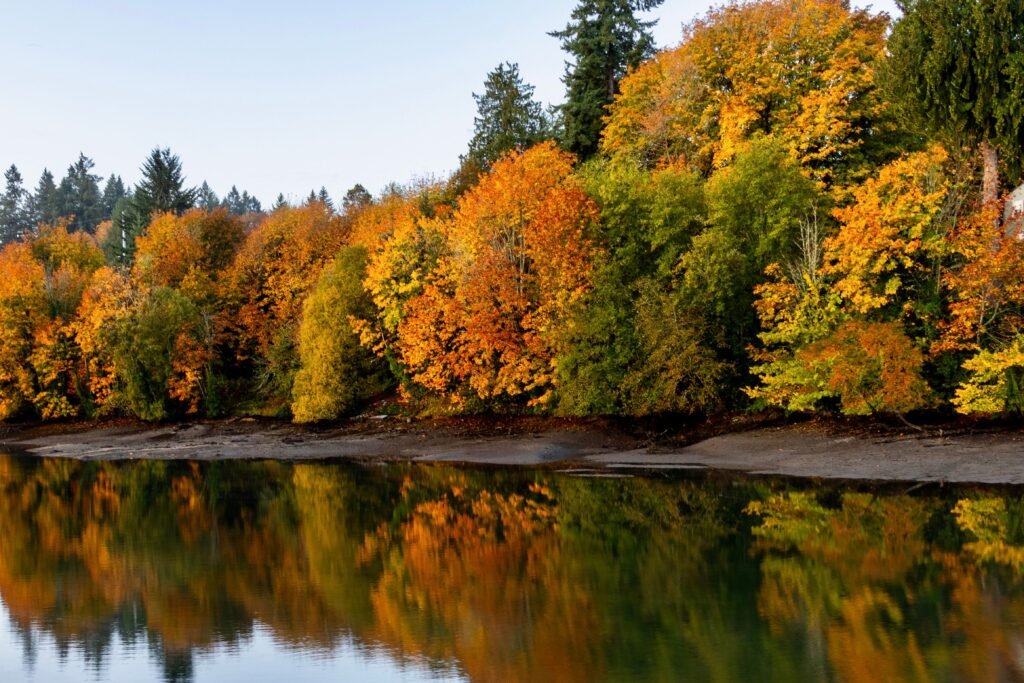
The changing weather also comes as Fall foliage begins appearing across the Pacific Northwest.
Fall colors typically start developing at higher elevations before spreading into lower elevations and valleys.
In Washington, alpine larches are among the region’s most distinctive early-season displays, while maples and other deciduous trees provide color later in the season.
In Oregon, October generally brings some of the strongest fall color, including along the Columbia River Gorge and in forests around the Cascade Range.
Actual timing varies each year based on temperature, rainfall, elevation, and other conditions.
How does The Old Farmer’s Almanac make its forecasts?
The Old Farmer’s Almanac says its weather predictions are based on solar science, climatology, and meteorology.
The forecasts are measured against 30-year climate averages, currently based on the 1991-2020 period.
Long-term seasonal predictions are different from short-term weather forecasts and cannot determine exactly what conditions will occur on a particular day or in a specific community.
Still, the latest outlook gives us an early idea of what fall could bring to the Pacific Northwest in 2026, including cooler temperatures, more rain, and an especially wet September.